Les étoiles les plus brillantes du ciel : guide complet
Quelle est l'étoile la plus brillante du ciel ? Si tu as déjà levé les yeux par une nuit claire en te demandant quel point lumineux surpassait tous les autres, la réponse c'est Sirius. Mais le ciel nocturne regorge de dizaines d'étoiles vraiment spectaculaires, chacune avec sa propre histoire et ses secrets scientifiques. Ce guide couvre les étoiles les plus brillantes que tu peux observer à l'œil nu, explique comment les astronomes mesurent la luminosité, et te donne des astuces pour les trouver toi-même ce soir.
Articles et guides associés
Envie d'aller plus loin ? Découvre comment les étoiles sont nommées depuis l'Antiquité. Explore notre page planètes ou achète une étoile comme cadeau. Apprends ce qu'est une exoplanète. Découvre aussi combien d'étoiles existent dans l'univers. Découvre les noms des 88 constellations. Tu veux savoir si on peut acheter une étoile ? Lis notre guide. Envie de te lancer ? Lis notre guide d'observation des étoiles pour débutants. Ou notre guide pour observer les étoiles sans télescope. Découvre aussi quelle est la plus grande étoile de l'univers. Apprends pourquoi les étoiles scintillent. Lis ce qu'est une supernova. Pour toutes tes questions, direction notre FAQ.
Sirius : l'étoile la plus brillante du ciel nocturne
Sirius détient le titre d'étoile la plus brillante du ciel nocturne avec une magnitude apparente de -1,46. Située dans la constellation du Grand Chien (Canis Major), elle se trouve à seulement 8,6 années-lumière de la Terre. C'est cette combinaison de proximité et de vraie puissance lumineuse qui fait qu'elle domine le ciel. Sirius est en fait un système binaire. Sirius A, celle qu'on voit, est une étoile blanche de la séquence principale, environ deux fois plus massive que le Soleil et 25 fois plus lumineuse. Sirius B, sa minuscule compagne, est une naine blanche de la taille de la Terre mais dont la masse approche celle du Soleil. Les Égyptiens de l'Antiquité ont construit leur calendrier autour de Sirius. Son lever héliaque coïncidait avec la crue annuelle du Nil, ce qui en faisait l'une des étoiles les plus importantes de l'histoire humaine. Les Grecs l'appelaient « la brûlante » parce qu'elle se levait pendant les jours les plus chauds de l'été.
Canopus : deuxième plus brillante et légende de la navigation
Canopus brille à une magnitude de -0,74, ce qui en fait la deuxième étoile la plus brillante du ciel. Elle se trouve dans la constellation de la Carène (Carina), à environ 310 années-lumière. Contrairement à Sirius, Canopus n'est pas proche. Elle est juste incroyablement puissante. Cette supergéante de type F est environ 10 000 fois plus lumineuse que le Soleil. Si tu plaçais Canopus là où se trouve Sirius, elle serait assez brillante pour projeter des ombres la nuit. Canopus est surtout visible depuis l'hémisphère sud. Depuis le nord des États-Unis ou l'Europe, elle pointe à peine au-dessus de l'horizon sud en hiver. Mais pour les marins au sud de l'équateur, Canopus a été une étoile de navigation cruciale pendant des siècles. La NASA l'a aussi utilisée comme point de référence. Les sondes Voyager se sont verrouillées sur Canopus pour orienter leurs instruments pendant leur voyage à travers le système solaire.
Arcturus : le gardien de l'ourse
Arcturus est l'étoile la plus brillante de l'hémisphère nord céleste avec une magnitude apparente de -0,05. Tu la trouveras dans la constellation du Bouvier (Bootes), à environ 37 années-lumière. C'est une géante orange, ce qui signifie qu'elle a déjà épuisé l'hydrogène de son noyau et s'est étendue jusqu'à environ 25 fois le diamètre du Soleil. Malgré une surface plus froide que notre Soleil, Arcturus émet environ 170 fois plus d'énergie au total. Petite astuce pour la trouver : suis la courbe de la queue de la Grande Ourse en prolongeant l'arc. Cet arc te mène droit à Arcturus. Les astronomes appellent ça « l'arc vers Arcturus ». Arcturus se déplace aussi très vite dans le ciel par rapport à la plupart des étoiles. Elle fait partie d'un courant d'étoiles anciennes provenant d'une petite galaxie absorbée par la Voie lactée il y a des milliards d'années.
Alpha du Centaure : notre plus proche voisine stellaire
Alpha du Centaure est en fait un système triple, et ses composantes combinées brillent à une magnitude apparente de -0,27, ce qui en fait le troisième point le plus lumineux du ciel nocturne. Le système se trouve à seulement 4,37 années-lumière dans la constellation du Centaure. Alpha Centauri A est une étoile jaune très similaire à notre Soleil. Alpha Centauri B est légèrement plus petite et plus froide, une étoile orange de type K. Elles orbitent l'une autour de l'autre en 80 ans. Le troisième membre, Proxima du Centaure, est une naine rouge à 4,24 années-lumière, actuellement l'étoile connue la plus proche de notre système solaire. En 2016, les astronomes ont confirmé que Proxima possède au moins une planète, Proxima b, en orbite dans la zone habitable. C'est l'exoplanète connue la plus proche de la Terre. Malheureusement, Alpha du Centaure n'est visible que depuis les latitudes au sud de 29 degrés nord environ.
Véga : l'étoile qui a défini la magnitude zéro
Véga brille à une magnitude de 0,03 dans la constellation de la Lyre, à environ 25 années-lumière de la Terre. Pendant des décennies, Véga a servi d'étoile de référence pour le système de magnitude. Les astronomes ont littéralement défini la magnitude zéro comme « à peu près aussi brillant que Véga ». Les mesures modernes ont légèrement ajusté cette définition, mais Véga reste la référence à laquelle tout le monde pense. Véga est une étoile de type A de la séquence principale, environ deux fois la masse du Soleil et 40 fois plus lumineuse. Elle tourne extrêmement vite sur elle-même, complétant une rotation en seulement 12,5 heures (le Soleil met environ 25 jours). Véga a été la première étoile autre que le Soleil à être photographiée (1850) et la première dont on a enregistré le spectre. Dans environ 12 000 ans, la précession de l'axe terrestre fera de Véga l'étoile polaire à la place de Polaris.
Capella : la petite chèvre
Capella, à une magnitude de 0,08, est la sixième étoile la plus brillante et la troisième du ciel boréal après Arcturus et Véga. Elle se trouve dans la constellation du Cocher (Auriga), à environ 43 années-lumière. Comme Alpha du Centaure, Capella est un système multiple. La paire principale, Capella Aa et Ab, sont toutes deux des géantes jaunes d'environ 10 fois le diamètre du Soleil. Elles orbitent l'une autour de l'autre en 104 jours. Une deuxième paire de naines rouges plus discrètes orbite bien plus loin. Capella est circumpolaire depuis la majeure partie de la France et du nord de l'Europe, ce qui signifie qu'elle ne passe jamais sous l'horizon. Tu peux la voir toute l'année. Cherche-la bien haute dans le ciel les soirs d'hiver, formant un pentagone avec d'autres étoiles du Cocher.
Rigel : la supergéante bleue d'Orion
Rigel marque le pied gauche d'Orion (le Chasseur) et brille à une magnitude de 0,13. Mais voilà ce qui rend Rigel remarquable : elle est à environ 860 années-lumière. La plupart des étoiles brillantes paraissent brillantes parce qu'elles sont proches. Rigel paraît brillante parce que c'est un monstre absolu. Cette supergéante bleue est environ 120 000 fois plus lumineuse que le Soleil et 80 fois son diamètre. Si Rigel remplaçait le Soleil, sa surface dépasserait l'orbite de Mercure. Rigel est aussi un système multiple. Rigel brûle son carburant rapidement et finira probablement en supernova dans les prochains millions d'années. Orion est l'une des constellations les plus reconnaissables au monde, visible depuis les deux hémisphères. La couleur bleu-blanc de Rigel contraste magnifiquement avec le rouge de Bételgeuse sur l'épaule opposée d'Orion.
Procyon : la petite étoile du Chien
Procyon complète notre liste avec une magnitude de 0,40, la huitième étoile la plus brillante du ciel. Elle se situe dans la constellation du Petit Chien (Canis Minor), à environ 11,5 années-lumière de la Terre. Comme Sirius, Procyon est un système binaire avec une naine blanche comme compagne. Procyon A est une sous-géante de type F, ce qui signifie qu'elle commence à évoluer hors de la séquence principale. Elle fait environ 1,5 fois la masse du Soleil et près de 7 fois sa luminosité. Procyon, Sirius et Bételgeuse forment le Triangle d'hiver, un astérisme bien visible pendant les mois les plus froids dans l'hémisphère nord. Ce triangle est l'un des motifs les plus faciles à repérer pour les débutants.
Comment les astronomes mesurent la luminosité des étoiles
La luminosité des étoiles est mesurée avec le système de magnitude, qui remonte à l'astronome grec Hipparque vers 130 av. J.-C. Il classait les étoiles de la première magnitude (les plus brillantes) à la sixième magnitude (les plus faibles visibles à l'œil nu). Le système moderne formalise tout ça : une différence de 5 magnitudes correspond exactement à un facteur 100 en luminosité. Donc une étoile de première magnitude est 100 fois plus brillante qu'une de sixième magnitude. L'échelle s'étend dans les deux sens. Les objets très brillants ont des nombres négatifs. Sirius est à -1,46. Vénus peut atteindre -4,6. La pleine Lune tourne autour de -12,7. Le Soleil flamboie à -26,7. Il existe deux types de magnitude. La magnitude apparente correspond à la luminosité vue depuis la Terre. La magnitude absolue correspond à celle qu'on observerait depuis une distance standard de 32,6 années-lumière (10 parsecs).
Pourquoi certaines étoiles discrètes sont en fait plus brillantes
La luminosité apparente peut être trompeuse. Rigel a à peu près le même éclat que Véga vue de la Terre, mais Rigel est 34 fois plus loin et 3 000 fois plus lumineuse en termes absolus. La distance joue un rôle énorme. La loi de l'inverse du carré fait qu'en doublant la distance d'une étoile, elle paraît quatre fois plus faible. C'est pour ça que le Soleil (une étoile plutôt ordinaire) domine complètement notre ciel alors que des étoiles monstrueuses comme Deneb (environ 200 000 fois la luminosité du Soleil) n'apparaissent que comme un point moyennement brillant. Deneb est à environ 2 600 années-lumière. Si elle était aussi proche que Sirius, elle serait assez brillante pour lire la nuit. La couleur des étoiles affecte aussi la perception. Nos yeux sont plus sensibles à la lumière jaune-verte, ce qui correspond à peu près au pic d'émission du Soleil.
Comment trouver les étoiles les plus brillantes ce soir
Pas besoin de télescope pour profiter des étoiles les plus brillantes. Tes yeux suffisent largement. Voici quelques astuces pratiques. Pour l'observation hivernale dans l'hémisphère nord, Orion est ta constellation de référence. Repère les trois étoiles de la ceinture, puis regarde en bas à gauche pour Sirius (le truc le plus brillant dans le coin) et en haut à gauche pour Bételgeuse (nettement rougeâtre). Procyon se trouve en haut à gauche de Sirius. En été, cherche le Triangle d'été : Véga (très haut dans le ciel, bleu-blanc), Deneb et Altaïr. Véga est la plus brillante des trois. Toute l'année, suis la queue de la Grande Ourse pour « arc vers Arcturus ». Pour les observateurs de l'hémisphère sud, Alpha du Centaure, Canopus et les étoiles de la Croix du Sud sont des incontournables. Utilise une appli gratuite comme Stellarium sur ton téléphone pour identifier n'importe quel point lumineux.
Bételgeuse : l'étoile qui pourrait exploser
Bételgeuse n'est pas tout à fait dans le top huit en luminosité, mais elle mérite qu'on en parle à cause de ce qu'elle est : une supergéante rouge d'environ 700 fois le diamètre du Soleil, qui approche de la fin de sa vie. Si on la plaçait au centre de notre système solaire, sa surface dépasserait l'orbite de Jupiter. Fin 2019, Bételgeuse a drastiquement diminué en luminosité, déclenchant des gros titres mondiaux sur une supernova imminente. En fait, c'était juste un nuage de poussière éjecté de sa surface qui bloquait temporairement une partie de la lumière. Mais soyons clairs : Bételgeuse explosera en supernova dans les 100 000 prochaines années. Quand ça arrivera, elle surpassera brièvement la pleine Lune et sera visible en plein jour. À environ 650 années-lumière, ce sera spectaculaire mais sans danger pour la Terre.
Des étoiles que tu peux nommer toi-même
Regarder ces étoiles brillantes peut te donner une idée : et si tu pouvais en nommer une ? L'UAI (Union Astronomique Internationale) nomme officiellement les étoiles, et ces noms ne peuvent pas être achetés. Mais le nommage symbolique d'étoiles est un cadeau populaire depuis des décennies. Tu choisis une vraie étoile avec de vraies coordonnées, tu lui donnes un nom, et tu reçois un certificat qui documente tout. Ce n'est pas reconnu par les astronomes, mais c'est un geste franchement personnel. BuyMyPlanet propose des certificats de nommage d'étoiles à partir de 24,99 $. Chaque certificat inclut de vraies données NASA, des coordonnées célestes que tu peux vérifier, et une livraison numérique instantanée. La version premium (29,99 $) ajoute une page web personnalisée avec un QR code. C'est un cadeau attentionné pour quiconque aime le ciel nocturne.
Étoiles célèbres à explorer
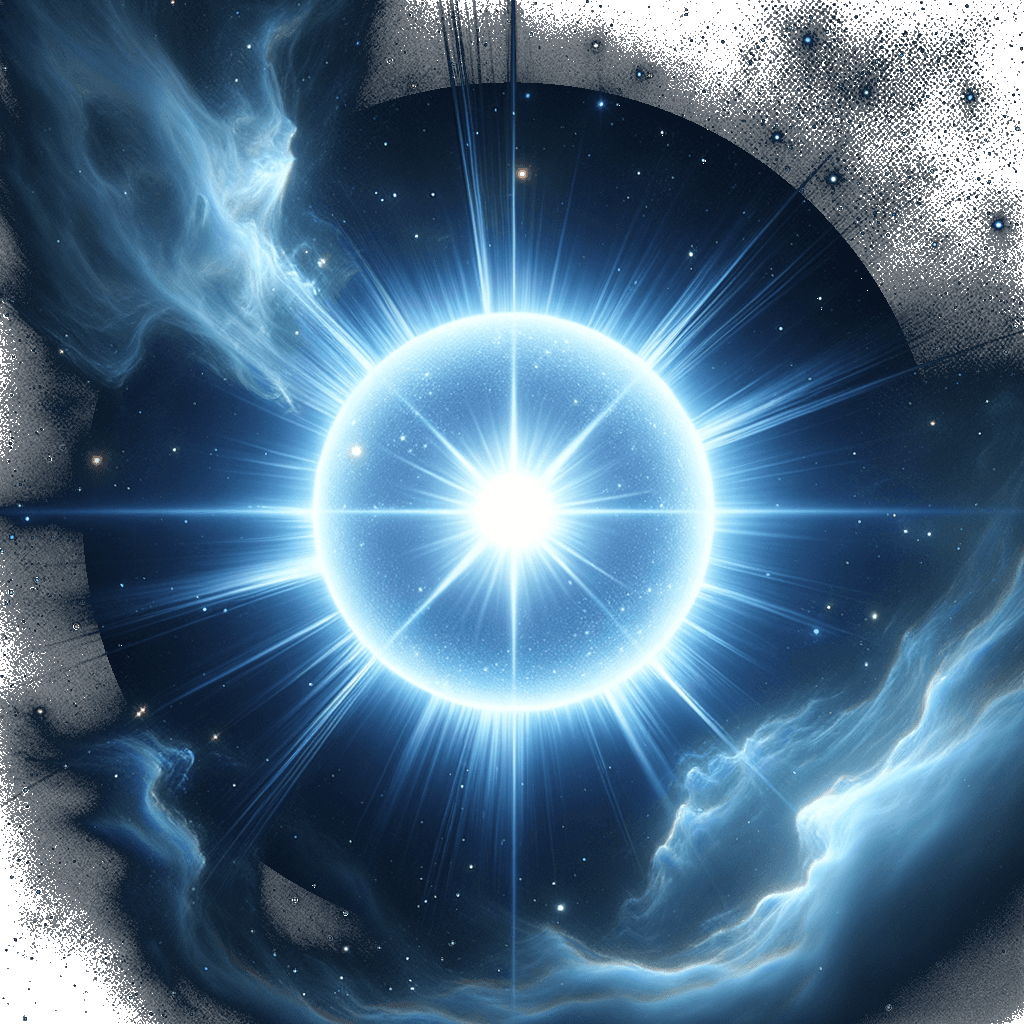
Sirius
L'étoile la plus brillante du ciel nocturne. Sirius est une étoile bleu-blanc éblouissante à seulement 8,6 années-lumière. Les Égyptiens ont construit leur calendrier autour d'elle.
Polaris
L'étoile Polaire. Pendant des siècles, les marins et explorateurs ont utilisé Polaris pour trouver leur chemin. Elle se trouve presque exactement au-dessus du pôle nord.
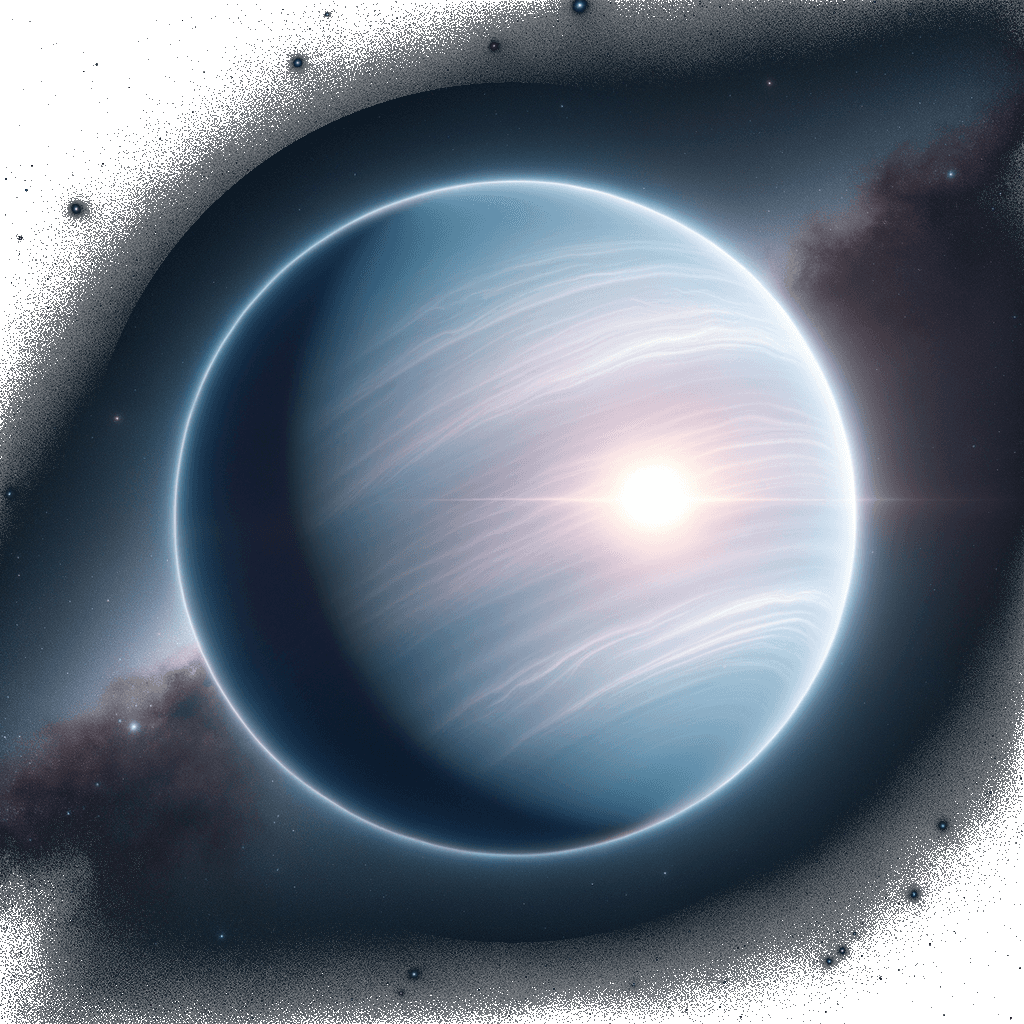
Vega
L'une des étoiles les plus brillantes visibles depuis la Terre. Véga a été la première étoile jamais photographiée (en 1850) et la première dont le spectre a été enregistré.
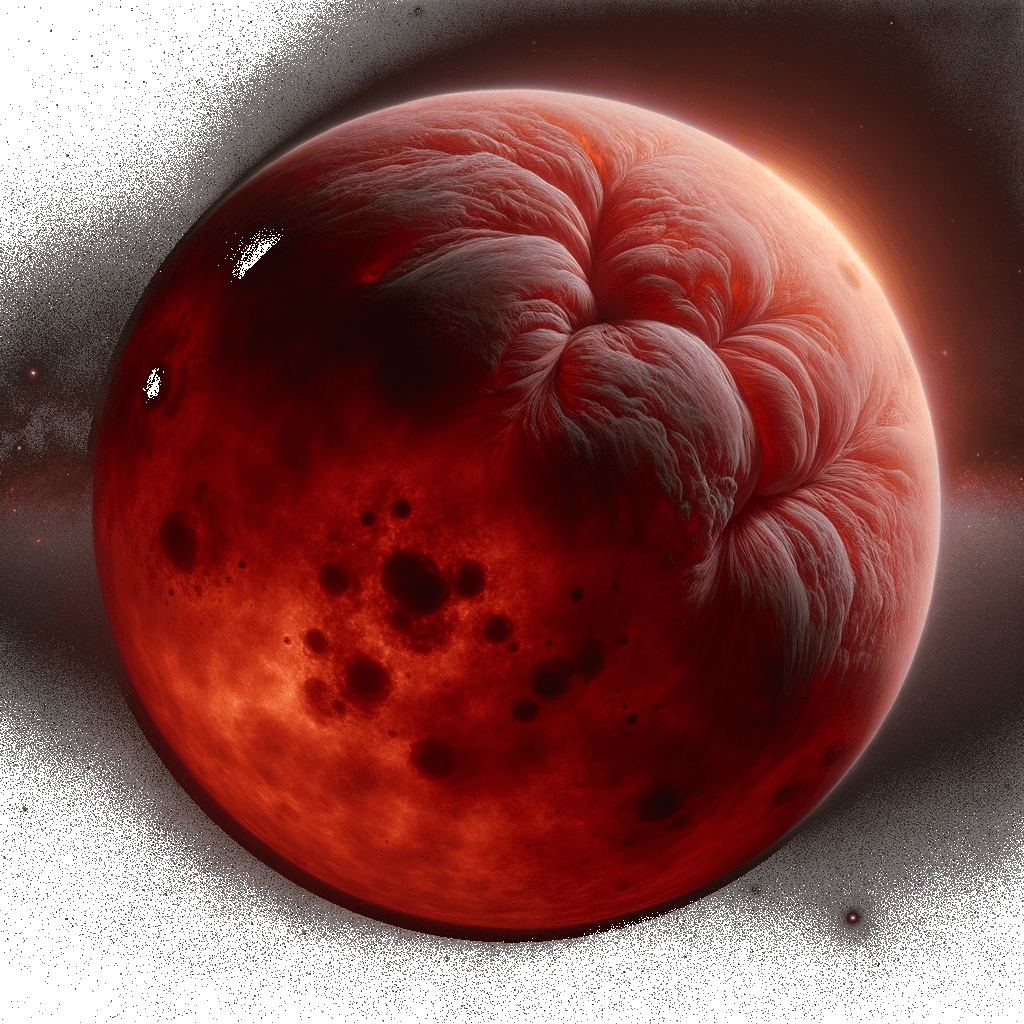
Betelgeuse
Une supergéante rouge qui pourrait exploser en supernova à tout moment. Bételgeuse est si massive que si elle remplaçait notre Soleil, elle engloutirait Mars.
Articles et guides associés
Découvre comment les étoiles sont nommées et les constellations célèbres. Explore notre page planètes ou achète une étoile. Découvre aussi quelle est la plus grande étoile de l'univers. Pour toutes tes questions, direction notre FAQ.
Questions fréquentes
Quelle est l'étoile la plus brillante du ciel ?
Sirius, dans la constellation du Grand Chien, est l'étoile la plus brillante du ciel nocturne avec une magnitude apparente de -1,46. Elle se trouve à 8,6 années-lumière de la Terre.
Peut-on voir toutes les étoiles brillantes depuis n'importe où ?
Non. Certaines étoiles comme Canopus et Alpha du Centaure ne sont visibles que depuis l'hémisphère sud ou les basses latitudes nord. La visibilité dépend de ta latitude et de la période de l'année.
Quelle différence entre magnitude apparente et absolue ?
La magnitude apparente correspond à la luminosité d'une étoile vue depuis la Terre. La magnitude absolue correspond à sa luminosité depuis une distance standard de 32,6 années-lumière. Une étoile lointaine peut avoir une magnitude apparente faible mais une magnitude absolue très élevée.
Polaris est-elle l'étoile la plus brillante ?
Non. Polaris (l'étoile polaire) se classe environ 48e en luminosité. Les gens pensent que c'est la plus brillante à cause de sa réputation d'étoile de navigation, mais Sirius est bien plus brillante.
Pourquoi les étoiles scintillent-elles ?
Les étoiles scintillent parce que leur lumière traverse l'atmosphère terrestre, qui contient des couches d'air à différentes températures qui dévient la lumière. Les planètes scintillent moins parce qu'elles apparaissent comme de minuscules disques plutôt que des sources ponctuelles.
Tu te poses des questions ?
Tout ce qu'il faut savoir sur l'achat d'une planète
Alors voilà le truc : c'est de la propriété symbolique. Personne ne peut légalement posséder une planète (il y a d'ailleurs un traité de l'ONU là-dessus). Mais ce que tu reçois, c'est un super certificat personnalisé avec de vraies données astronomiques et un numéro unique. Pense à ça comme le cadeau le plus original que tu puisses faire.
Le vrai nom de la planète, le nom personnalisé du propriétaire, un message perso si tu veux, un numéro d'enregistrement unique et la date. C'est assez beau pour être encadré et accroché au mur.
Il arrive dans ta boîte mail en PDF quelques minutes après l'achat. Tu peux l'imprimer chez toi, aller dans un magasin photo pour une version plus classe, ou juste le partager en ligne. Facile.
Les gens deviennent fous. On a vendu plus de 3 247 planètes et on reçoit régulièrement des messages de gens qui disent que c'est le meilleur cadeau qu'ils aient jamais reçu. Ça marche pour les anniversaires, la Saint-Valentin, Noël, les mariages, les naissances... à peu près toutes les occasions.
À 100%. Chaque planète de notre catalogue est un vrai corps céleste découvert par la NASA, l'ESA ou d'autres agences spatiales. On n'invente rien. Les données sur ton certificat viennent de découvertes scientifiques confirmées.
Pas de souci. Tu as 30 jours pour changer d'avis. Envoie juste un mail à ethan@buymyplanet.com et on s'en occupe.
Oui ! On vend des planètes et des étoiles. Les étoiles, c'est classique et toujours aussi magique. Les planètes, ce sont des mondes entiers avec leurs propres caractéristiques et histoires. Les deux viennent avec un certificat personnalisé et de vraies données astronomiques. Choisis ce qui te plaît, ou prends les deux.
Oui ! Chaque certificat a son propre numéro d'enregistrement unique. C'est comme nommer une étoile. La propriété est personnelle, et ton certificat est unique en son genre.
Pour l'instant on fait des certificats PDF numériques instantanés. Tu peux les imprimer chez toi ou dans n'importe quel magasin photo. On travaille sur des versions encadrées qui seront livrées chez toi. Ça arrive bientôt.
Complètement. La propriété symbolique de planètes, c'est un cadeau de fantaisie, un peu comme les services qui nomment des étoiles. Le Traité de l'Espace de 1967 dit qu'aucun pays ne peut revendiquer une planète, mais les certificats personnalisés sont tout à fait légaux. C'est un cadeau apprécié dans le monde entier.
Donne un nom à ton étoile préférée
Choisis n'importe quelle étoile de notre catalogue, donne-lui le nom que tu veux, et reçois un certificat avec de vraies coordonnées astronomiques. À partir de 24,99 $.
Digital product. Symbolic ownership certificate.