Stargazing Without a Telescope: A Beginner's Guide
You don't need expensive equipment to enjoy the night sky. Your eyes are the only tool you need. On a clear night far from city lights, you can spot around 5,000 stars, five planets, the Milky Way, and dozens of constellations. This guide covers everything you need to get started tonight.
What Can You Actually See Without a Telescope?
More than you'd think. The naked eye can pick up about 5,000 stars on a clear, dark night. You can see five planets (Mercury, Venus, Mars, Jupiter, and Saturn) that look like bright, steady dots among the twinkling stars. The Milky Way appears as a faint, glowing band stretching across the sky. You can spot the Andromeda Galaxy, 2.5 million light-years away, as a small fuzzy smudge. Several nebulae are visible too, including the Orion Nebula below Orion's belt. And then there are meteor showers, the International Space Station passing overhead, satellites, and the Moon with its craters and dark plains. Honestly, a telescope is great for detail, but naked-eye stargazing gives you the big picture that telescopes can't.
How to Prepare for Naked Eye Stargazing
First, check the weather. Clear skies are obviously essential. Second, check the Moon phase. A full moon washes out fainter stars, so plan around new moon dates for the best views. Third, give your eyes time to adjust. It takes about 20-30 minutes for your pupils to fully dilate in darkness. This is called dark adaptation, and it makes a huge difference. During that adjustment period, avoid looking at your phone screen. If you need light, use a red flashlight or set your phone to red-light mode. Red light doesn't reset your night vision the way white light does. Dress warmer than you think you need to. Even in summer, sitting still outside at night gets cold fast. Bring a blanket or reclining chair so you can look up comfortably without straining your neck.
Finding the Best Stargazing Location Near You
Light pollution is the enemy of stargazing. Even a small town throws enough light into the atmosphere to block out the faintest stars. Your best bet is to drive 30-60 minutes away from any city. State parks, national forests, and rural farmland work great. Some areas have been designated as Dark Sky Parks by the International Dark-Sky Association. These are specifically protected from light pollution and offer some of the best stargazing on Earth. In the US, places like Big Bend in Texas, Cherry Springs in Pennsylvania, and Natural Bridges in Utah are famous for dark skies. But you don't need to travel far. Even your backyard works if you turn off all outdoor lights, face away from the nearest city glow, and give your eyes time to adjust. A hilltop or open field with a clear horizon helps because you can see more of the sky.
The 10 Easiest Constellations to Spot Tonight
Start with Orion, the easiest constellation in the winter sky. Look for three bright stars in a row forming his belt. From there, find the Big Dipper (part of Ursa Major), which looks exactly like a soup ladle. Follow the two stars at the edge of the Dipper's bowl upward to find Polaris, the North Star, which sits at the tip of the Little Dipper (Ursa Minor). Cassiopeia looks like a W or M shape and sits on the opposite side of Polaris from the Big Dipper. In summer, look for the Summer Triangle: three bright stars (Vega, Deneb, and Altair) from three different constellations. Scorpius is easy to spot in southern skies with its curved tail and red heart star Antares. Leo looks like a backwards question mark with a triangle for its hindquarters. Cygnus the Swan flies along the Milky Way. Gemini's two bright stars Castor and Pollux sit side by side. And Taurus has the V-shaped face with the bright orange star Aldebaran as its eye.
Planets You Can See Without a Telescope
Five planets are visible to the naked eye, and they've been known since ancient times. Venus is the easiest. It's the brightest object in the sky after the Sun and Moon, visible in the evening or morning as the 'evening star' or 'morning star.' Jupiter is the second brightest planet, a steady, bright dot that doesn't twinkle like stars do. Mars has a distinctive reddish-orange color that makes it easy to pick out. Saturn is dimmer but still clearly visible as a yellowish, steady point of light. Mercury is the trickiest because it stays close to the Sun and is only visible briefly at dawn or dusk. How do you tell a planet from a star? Planets don't twinkle. Stars twinkle because their light passes through turbulent air. Planets are close enough that they appear as tiny discs, so atmospheric turbulence doesn't affect them the same way. Also, planets move slowly against the background stars over days and weeks.
Meteor Showers: Free Fireworks in the Sky
Meteor showers are one of the best reasons to go stargazing without a telescope. In fact, telescopes are useless for meteor watching because meteors streak across wide sections of sky. You need your naked eyes and a wide field of view. The best showers each year: the Perseids peak around August 11-13 with 50-100 meteors per hour. The Geminids peak around December 13-14 and are often even better, with up to 120 per hour. The Quadrantids in early January can produce 60-120 per hour but peak for only a few hours. The Leonids in November and the Eta Aquariids in May are also worth watching. To enjoy a meteor shower, lie flat on your back so you can see as much sky as possible. Face toward the constellation the shower is named after, but look about 45 degrees away from it. Meteors appear to radiate from one point but streak across the whole sky.
The Moon: Your First Stargazing Target
The Moon is the most accessible object in the night sky. Even from a bright city, you can see its phases change from crescent to full over a 29.5-day cycle. With just your eyes, you can make out the dark patches called maria (Latin for seas), which are actually ancient lava plains. The brightest areas are the highlands, covered in craters from billions of years of impacts. Try watching a crescent Moon just after sunset. You'll often see 'Earthshine,' a faint glow on the dark part of the Moon caused by sunlight reflecting off Earth onto the Moon's surface. It's subtle and beautiful. A fun challenge: track the Moon's position over a week. It moves roughly 13 degrees eastward each night relative to the stars. You can also watch it rise about 50 minutes later each day.
Best Stargazing Apps for Your Phone
A stargazing app turns your phone into a sky map. Point it at the sky and it labels stars, planets, and constellations in real time. Stellarium is free, highly accurate, and available for both iOS and Android. Star Walk 2 has a clean interface and works well for beginners. Sky Tonight is another solid option with daily sky event notifications. SkySafari offers more detail for those who want to go deeper. These apps also show you where planets are, when the ISS passes over your location, and when meteor showers peak. Just one thing: put your phone in night mode (red screen) before using it outside. A bright phone screen will wreck your dark adaptation in seconds.
Stargazing Gear That Isn't a Telescope
Besides your eyes, a few cheap items can improve the experience. A red flashlight (or red cellophane over a regular one) lets you read star maps without killing your night vision. A planisphere is a rotating paper star chart that shows which constellations are up for any date and time. They cost about $10 and don't need batteries. Binoculars are a great step up from naked eyes without the complexity of a telescope. A pair of 7x50 or 10x50 binoculars will reveal Jupiter's four largest moons, the Orion Nebula in more detail, and dozens more stars in the Milky Way. A simple camping mat or reclining lawn chair lets you look up comfortably for hours. And a thermos of hot coffee or tea never hurts on a cold night.
When and Where to See the Milky Way
The Milky Way is visible all year, but the brightest section (the galactic center) is best seen from March through October in the Northern Hemisphere. It rises in the southeast, arcs overhead, and sets in the southwest. The best time is late at night when the galactic core is highest in the sky. You need truly dark skies to see it properly. From a suburban backyard, you might catch a faint glow. From a dark site, the Milky Way is a jaw-dropping river of light with dark lanes of dust weaving through it. New Moon nights in summer are prime time. The Southern Hemisphere has even better views because the galactic center passes nearly overhead from places like Chile, Australia, and South Africa.
Make It Memorable: Turn Stargazing Into a Gift
After a night of stargazing, here's a fun idea. Pick one of the stars you spotted and name it after someone you care about. At BuyMyPlanet, you can choose a real star cataloged using NASA and ESA data, give it a custom name, and get a digital certificate instantly for $24.99. It's symbolic ownership, not legal ownership (nobody can legally own a star), but the star is real and the certificate includes its coordinates so you can find it in the sky. If you've been stargazing with a partner, friend, or family member, naming a star you actually looked at together makes it personal. You can also name a planet starting at $24.99 or try the alien game for a fun add-on.
Seasonal Stargazing Calendar for Beginners
Spring is great for galaxy hunting with binoculars and spotting Leo and Virgo overhead. Summer brings the Milky Way and the Summer Triangle (Vega, Deneb, Altair). August gives you the Perseids meteor shower, the best of the year. Fall features the Andromeda Galaxy at its highest and easiest to spot. The Pleiades star cluster returns to evening skies. Winter offers Orion, the brightest and most dramatic constellation, along with Sirius (the brightest star in the night sky), the Geminids meteor shower in December, and long dark nights that give you more observing time. Every season has something worth going outside for. The key is just to start looking up.
Famous stars to observe
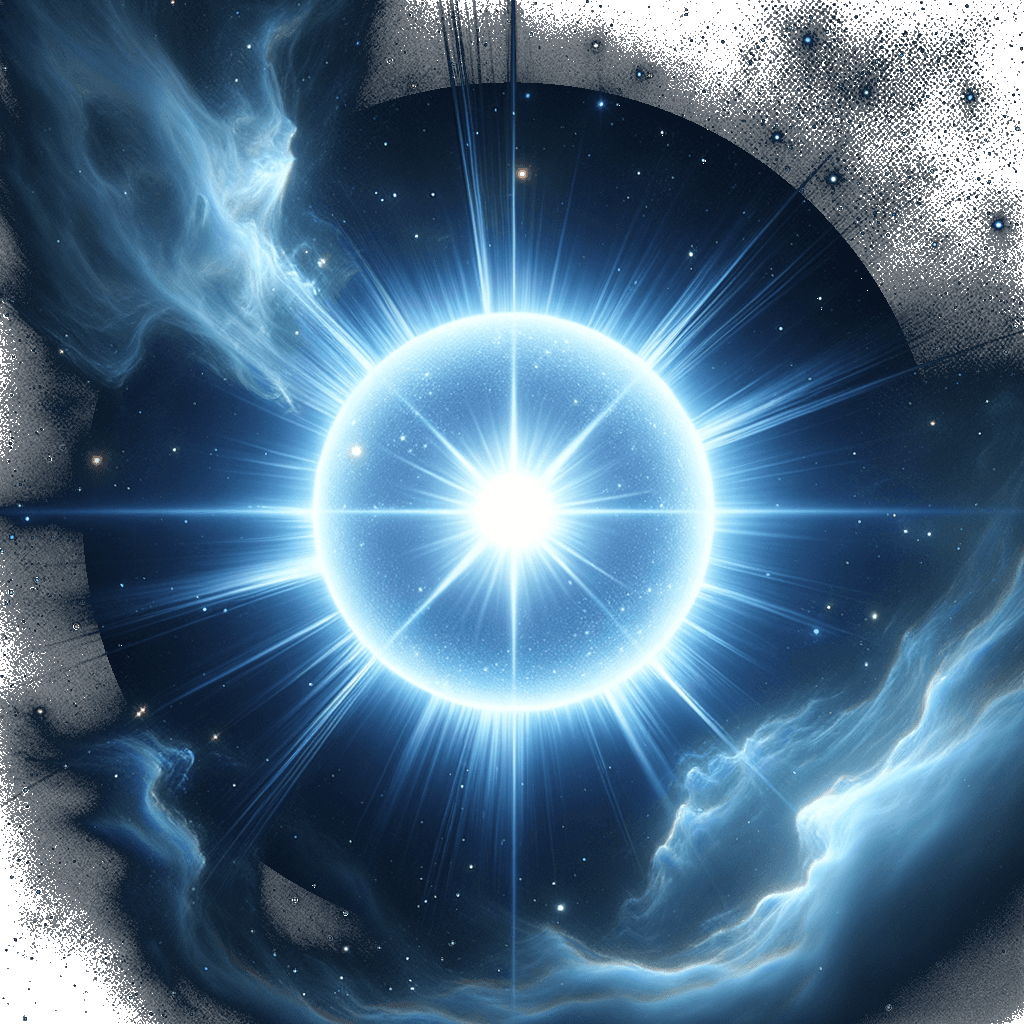
Sirius
The brightest star in the night sky. Sirius is a dazzling blue-white star just 8.6 light-years away. Ancient Egyptians built their calendar around it.
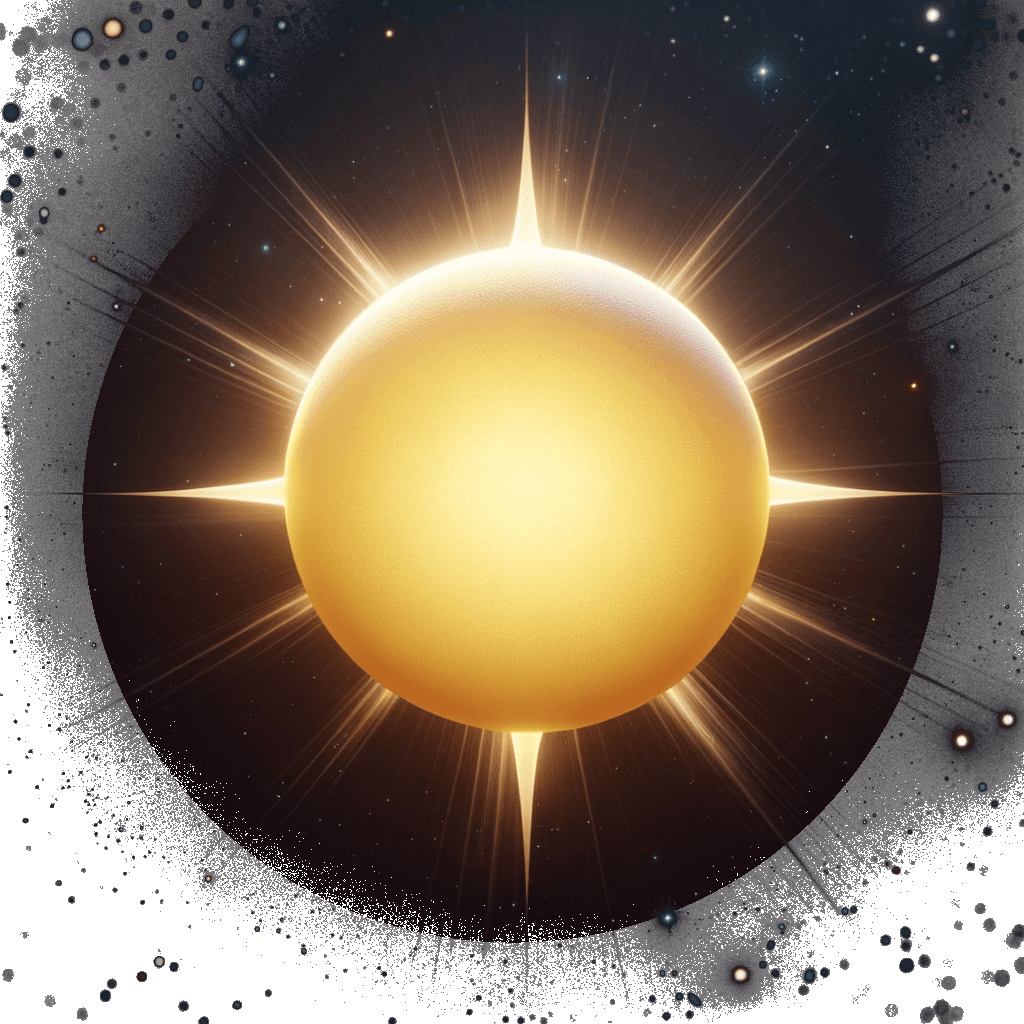
Polaris
The North Star. For centuries, sailors and explorers used Polaris to find their way. It sits almost perfectly above Earth's north pole.
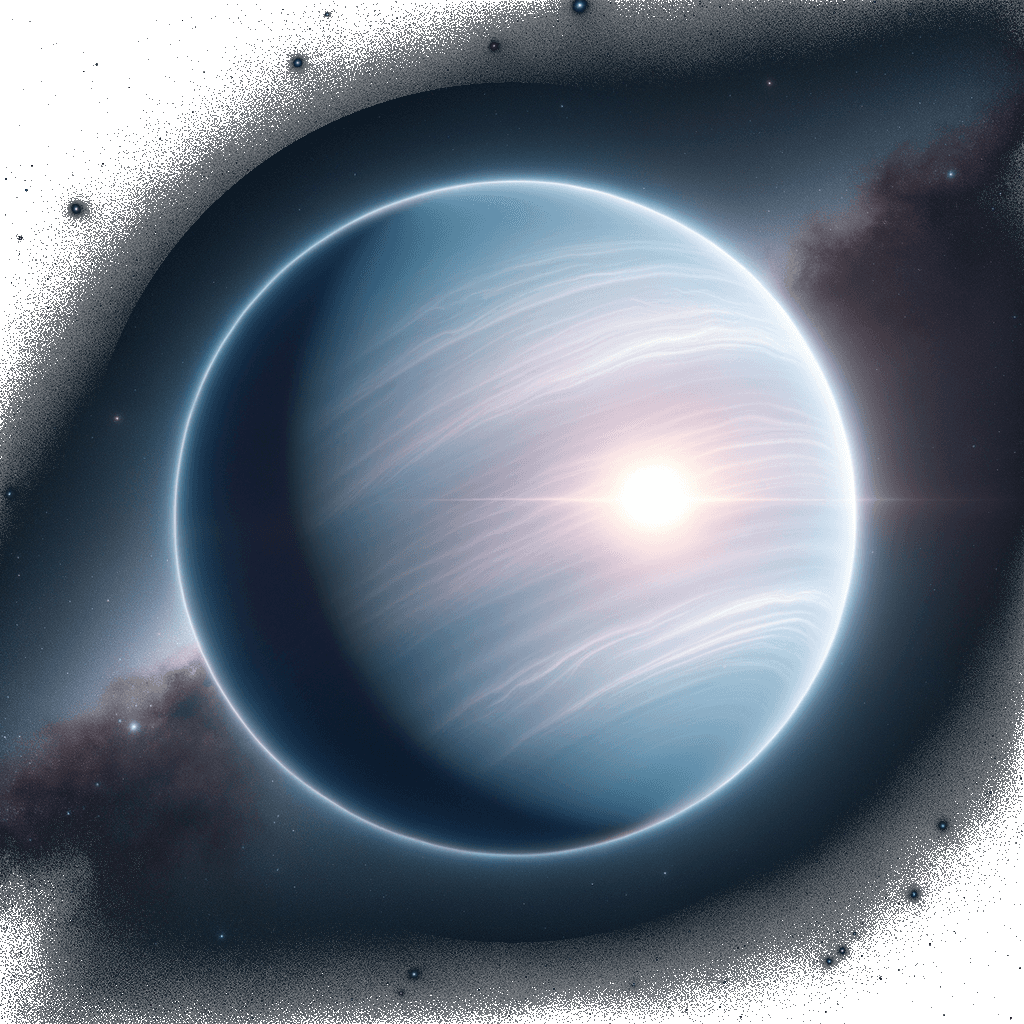
Vega
One of the brightest stars you can see from Earth. Vega was the first star ever photographed (back in 1850) and the first to have its spectrum recorded.
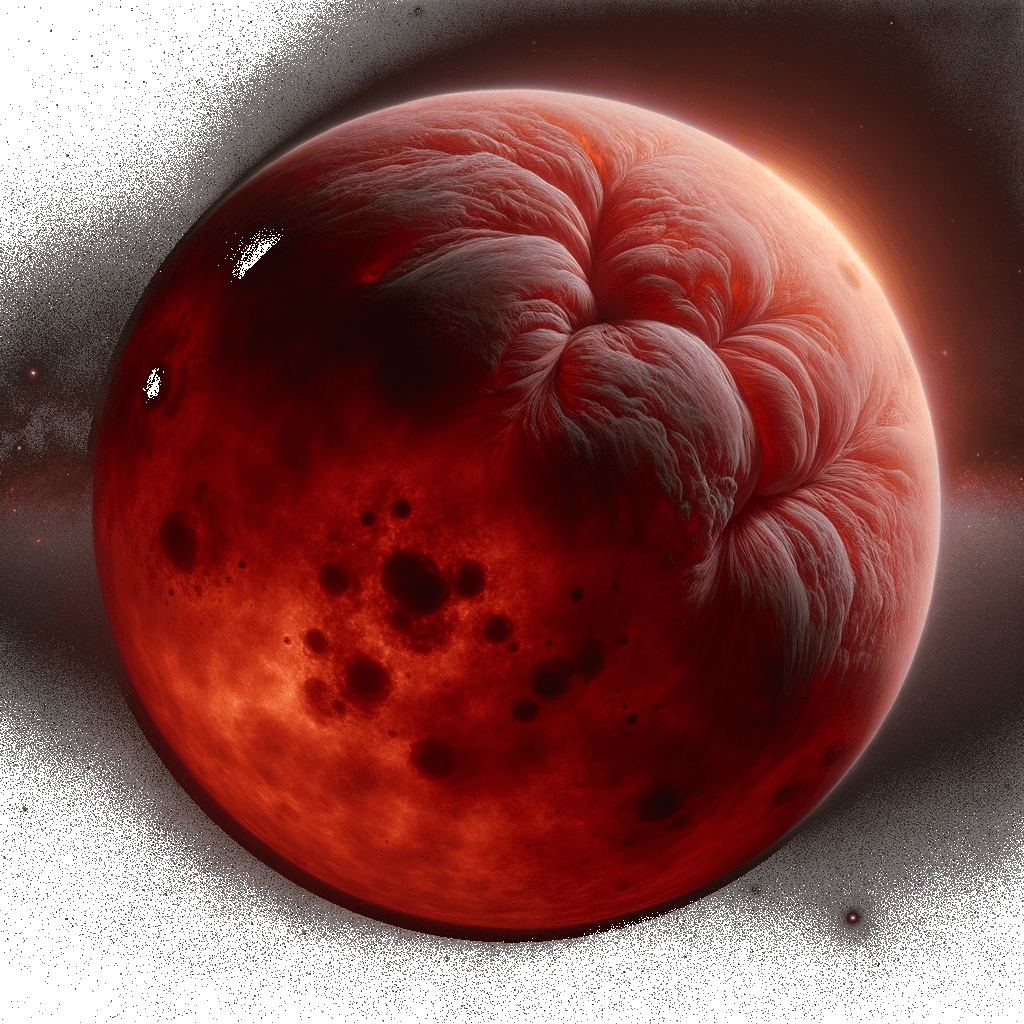
Betelgeuse
A red supergiant that could explode as a supernova any day now. Betelgeuse is so massive that if it replaced our Sun, it would swallow Mars.
Related articles & guides
Want to go deeper? Check out the brightest stars in the sky. Learn how stars get their names or read about what shooting stars are. Explore our planets page to browse the full catalog. You can also buy a star as a gift. Learn why stars twinkle. Got questions? Visit our FAQ.
Frequently asked questions
Can you really stargaze without a telescope?
Absolutely. About 5,000 stars are visible to the naked eye on a clear dark night, plus five planets, the Milky Way, meteor showers, and the Moon. Telescopes are great for detail, but naked-eye stargazing gives you the wide view.
What is the best time of night to stargaze?
After astronomical twilight, which is about 90 minutes after sunset. The later you go, the darker it gets. Between 10 PM and 2 AM is typically the darkest window. Give your eyes 20-30 minutes to fully adjust to the dark.
How do I tell the difference between a star and a planet?
Stars twinkle because their pinpoint light gets scattered by Earth's atmosphere. Planets shine with a steady, unwavering light because they're much closer and appear as tiny discs rather than points. Planets also slowly shift position against background stars over days.
Do I need to go somewhere dark to stargaze?
Darker is better, but you can start from anywhere. From a city you can still see the Moon, bright planets, and major stars. Suburbs let you spot main constellations. For the Milky Way and meteor showers, you'll want to drive 30-60 minutes from any city.
What is the easiest constellation to find?
Orion in winter and the Big Dipper in spring/summer are the two easiest. Orion's three belt stars in a row are unmistakable. The Big Dipper's ladle shape is equally obvious, and it helps you find Polaris (the North Star).
Got Questions?
Here's everything you need to know about buying a planet
Here's the deal: this is symbolic ownership. Nobody can legally own a planet (there's actually a UN treaty about it). But what you DO get is a gorgeous personalized certificate with real astronomical data and a unique registration number. Think of it as the most original gift you can possibly give someone.
The planet's real name, your personalized owner name, a custom message if you want one, a unique registration number, and the date. It's designed to look premium enough to frame and hang on a wall.
It shows up in your email as a PDF within a few minutes of buying. You can print it at home, take it to a print shop for a nicer version, or just share it digitally. Simple.
People go crazy for it. We've sold over 3,247 planets so far and we get messages all the time from people saying it's the best gift they've ever received. It works for birthdays, Valentine's Day, Christmas, weddings, new babies... pretty much any occasion.
100%. Every planet in our catalog is a real celestial body discovered by NASA, ESA, or other space agencies. We don't make anything up. The data on your certificate comes from confirmed scientific discoveries.
No problem. You've got 30 days to change your mind. Just email us at ethan@buymyplanet.com and we'll sort it out.
Yes! We sell both planets and stars. Stars are beautiful and classic. Planets are full worlds with their own characteristics, categories, and stories. Both come with a personalized certificate and real astronomical data. Pick what fits best, or get both.
Yep! Each certificate gets its own unique registration number. It's like naming a star. The ownership is personal to you, and your certificate is one of a kind.
Right now we do instant digital PDF certificates. You can print them at home or at any print shop. We're working on framed physical versions that'll ship to your door. Stay tuned.
Totally. Symbolic planet ownership is a novelty gift, kind of like star naming services. The 1967 Outer Space Treaty says no country can claim a planet, but personalized certificates are perfectly fine. It's a beloved gift worldwide.
Name Your Own Star
Pick a real star from NASA data, give it your name, and get your certificate instantly. Starting at $24.99.
Digital product. Symbolic ownership certificate.