What Is a Shooting Star? The Real Science Behind Meteors
A shooting star is not a star at all. It is a small piece of space rock or dust that slams into Earth's atmosphere at incredible speed and burns up, creating that bright streak of light you see for a second or two. Astronomers call them meteors. Most are no bigger than a grain of sand, yet they glow bright enough to spot from hundreds of kilometers away. Here is everything you need to know about shooting stars, from the science behind them to the best times to watch.
Meteoroid, Meteor, Meteorite: What Is the Difference?
These three words confuse a lot of people, but the distinction is simple. A meteoroid is any small chunk of rock or metal floating through space. Sizes range from a speck of dust to about one meter across. Anything bigger is usually called an asteroid. When a meteoroid enters Earth's atmosphere and starts to burn, the streak of light it produces is called a meteor. That is your shooting star. If any piece survives the trip and lands on the ground, it becomes a meteorite. So the same object gets three different names depending on where it is. In space: meteoroid. Burning through the atmosphere: meteor. On the ground: meteorite. Simple enough, but most people use "shooting star" for the glowing part, and that works just fine.
What Causes the Bright Streak of Light?
The glow has nothing to do with friction, despite what a lot of websites claim. Here is what actually happens. A meteoroid hits the atmosphere at speeds between 11 and 72 kilometers per second. At those velocities, the air in front of the particle gets compressed so violently that it heats up to thousands of degrees. This superheated air is what glows, not the rock itself. The process is called ram pressure heating. The meteoroid also heats up and often vaporizes completely, releasing atoms that collide with atmospheric molecules and emit light. The entire event usually lasts less than a second. Brighter meteors, called fireballs or bolides, happen when a larger chunk (pebble-sized or bigger) enters the atmosphere. Some fireballs are bright enough to cast shadows on the ground and can be seen during twilight.
How Fast Do Shooting Stars Travel?
Speed is the whole reason shooting stars exist. Earth orbits the Sun at about 30 kilometers per second. Meteoroids have their own orbital speeds. When they hit the atmosphere head-on, the combined speed can reach 72 km/s (about 260,000 km/h). Even a slow meteor enters at roughly 11 km/s (40,000 km/h). For context, a bullet from a rifle travels at about 1 km/s. The slowest shooting star is still 11 times faster than a bullet. That absurd velocity is why something the size of a grain of rice can produce a visible streak across the sky. The Leonid meteor shower is famous for its fast meteors, which enter at about 71 km/s because they travel almost directly against Earth's orbital motion.
What Are Shooting Stars Made Of?
Most meteors come from two sources: comets and asteroids. Cometary debris tends to be fragile and icy, mixed with dust and small rock particles. These produce the majority of meteor shower activity. Asteroidal meteoroids are denser, made of rock and sometimes metal (iron and nickel). These are more likely to survive atmospheric entry and become meteorites. The chemical makeup affects what color the meteor glows. Iron produces yellow light. Magnesium gives off blue-green. Sodium creates an orange-yellow hue. Calcium produces a violet tint. Nitrogen and oxygen in the atmosphere itself also get excited and emit red and green light. So when you see a greenish shooting star, you are probably watching magnesium atoms release energy as they vaporize at 3,000 degrees.
What Are Meteor Showers and Why Do They Happen?
A meteor shower happens when Earth passes through a trail of debris left behind by a comet (or occasionally an asteroid). As comets orbit the Sun, they shed bits of dust and rock. This debris spreads out along the comet's orbit over centuries, forming a stream. When Earth's orbit crosses one of these streams, we see dozens or even hundreds of meteors per hour, all appearing to radiate from the same point in the sky. That point is called the radiant, and meteor showers are named after the constellation where the radiant sits. The Perseids radiate from Perseus. The Geminids from Gemini. The Leonids from Leo. On any random night, you might see 5 to 10 sporadic meteors per hour. These are random bits of debris not connected to any particular stream. During a peak meteor shower, that number jumps to 50, 100, or in rare cases, thousands per hour.
Best Meteor Showers to Watch Each Year
The Perseids (August 11-13) are probably the most popular meteor shower. They produce 50 to 100 meteors per hour at peak, the weather is warm for Northern Hemisphere observers, and the meteors are bright with long trails. The parent comet is Swift-Tuttle. The Geminids (December 13-14) actually outperform the Perseids with up to 150 meteors per hour, but cold winter nights keep many people indoors. Their parent body is the asteroid 3200 Phaethon, which makes them unusual. The Quadrantids (January 3-4) have a very narrow peak of just a few hours but can hit 120 meteors per hour. The Leonids (November 17-18) are usually modest with 15-20 per hour, but roughly every 33 years they produce spectacular storms with thousands per hour. The last big one was in 2001. The Eta Aquariids (May 5-6) and Orionids (October 21-22) both come from debris left by Halley's Comet.
Shooting Star Colors and What They Mean
Meteor colors are not random. They tell you something about what is burning. White or blue-white meteors are usually fast-moving and made of calcium or magnesium-rich material. Yellow and orange streaks often indicate iron or sodium. Green meteors come from magnesium burning at high temperatures, and these are some of the most striking ones to spot. Red meteors are rare and typically mean the meteoroid was moving slowly through the upper atmosphere, exciting nitrogen molecules. Some bright fireballs show multiple colors as they break apart, with different minerals burning at different rates. The persistent train (a glowing trail left behind after the meteor fades) is caused by ionized atoms in the atmosphere recombining. These trains can last several seconds and sometimes appear to twist and curl as upper-atmosphere winds push them around.
How to Watch Shooting Stars: Practical Tips
You do not need any equipment. Binoculars and telescopes actually make it harder because they narrow your field of view. Here is what works. Get away from city lights. Even 30 minutes of driving makes a big difference. Give your eyes at least 20 minutes to adjust to the dark. Do not look at your phone screen during this time. Lie on your back on a blanket or reclining chair so you can see as much sky as possible. Look roughly 45 degrees away from the radiant point during a shower. Meteors near the radiant appear short, while those farther away produce longer streaks. The best viewing is usually between midnight and dawn, because that is when your location on Earth faces into the direction of orbital motion, scooping up more debris. Check the Moon phase before planning a meteor watch. A bright full Moon washes out all but the brightest meteors.
Shooting Stars vs Comets vs Asteroids
People mix these up all the time. A comet is a large icy body (often several kilometers across) that orbits the Sun and develops a visible tail when it gets close enough for its ice to vaporize. Comets are visible for weeks or months. An asteroid is a rocky body orbiting the Sun, ranging from a few meters to hundreds of kilometers wide. You generally cannot see them without a telescope. A shooting star (meteor) is a tiny piece of debris, often from a comet, burning up in our atmosphere for a second or two. The connection: comets leave trails of debris as they orbit the Sun. Earth passes through those trails and we get meteor showers. So comets are the source, and shooting stars are the result. Asteroids can also shed debris, but comets are responsible for most meteor shower activity.
Famous Meteor Events in History
In 1833, the Leonid meteor shower produced an estimated 100,000 meteors per hour over North America. Eyewitnesses described the sky as being on fire. This event helped scientists realize that meteors came from space and were not an atmospheric weather phenomenon. In 1908, a meteoroid estimated at 50 to 60 meters wide exploded over Tunguska, Siberia. It flattened about 80 million trees over 2,150 square kilometers. No crater was found because the object disintegrated in mid-air, but the shockwave was detected by barometers across Europe. In 2013, a 20-meter meteoroid entered the atmosphere over Chelyabinsk, Russia. The resulting fireball was brighter than the Sun and the shockwave injured over 1,500 people, mostly from broken glass. Dashcam footage captured the event and went viral, giving scientists an unprecedented amount of data about atmospheric entry.
Can You Make a Wish on a Shooting Star?
The tradition of wishing on shooting stars goes back at least to ancient Rome. Ptolemy suggested that shooting stars happened when the gods peeked through the gap between celestial spheres, so it was a good moment to send up a request while they were paying attention. Believe in the wishing part or not, there is something genuinely moving about seeing a shooting star. You are watching a tiny piece of the solar system, possibly billions of years old, ending its journey in a flash of light. For about 48.5 tons of meteoritic material falls on Earth every single day, according to NASA. Most of it burns up silently, unseen. The ones you spot are the lucky exceptions.
Name a Star and Make It Personal
If shooting stars sparked your curiosity about the night sky, you might want to take it a step further. BuyMyPlanet lets you name a real star from our catalog. You pick the star, choose any name you want, and receive a certificate with actual astronomical coordinates that you can look up with any stargazing app. It is a symbolic gesture, not recognized by the IAU, but it is a genuinely personal way to connect someone to the cosmos. Certificates start at $24.99 with instant digital delivery. The premium version at $29.99 includes a personalized web page with a QR code linking to your named star.
Related articles & guides
Discover the brightest stars in the sky and learn how stars are named. Browse our planets page or buy a star. Get started with stargazing for beginners. Learn why stars twinkle. Got questions? Check our FAQ.
Stars to explore
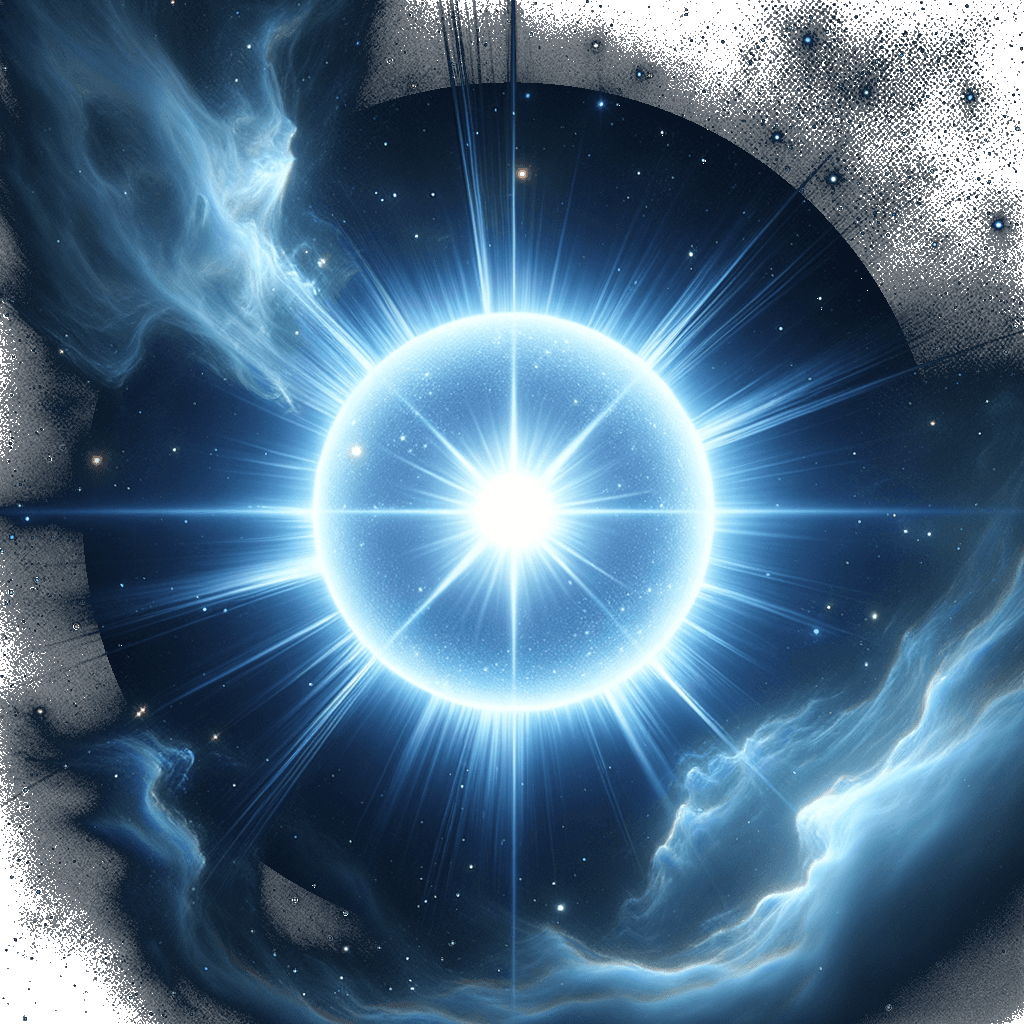
Sirius
The brightest star in the night sky. Sirius is a dazzling blue-white star just 8.6 light-years away. Ancient Egyptians built their calendar around it.
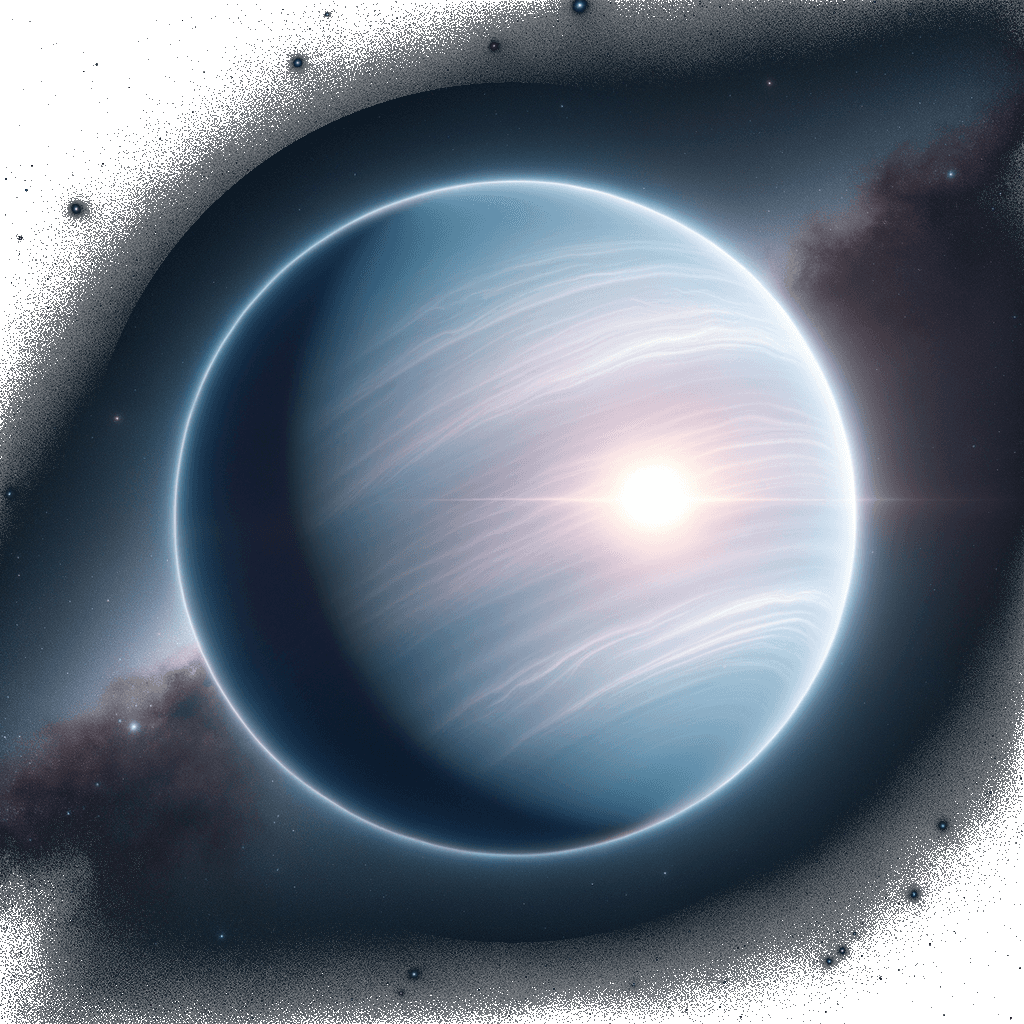
Vega
One of the brightest stars you can see from Earth. Vega was the first star ever photographed (back in 1850) and the first to have its spectrum recorded.
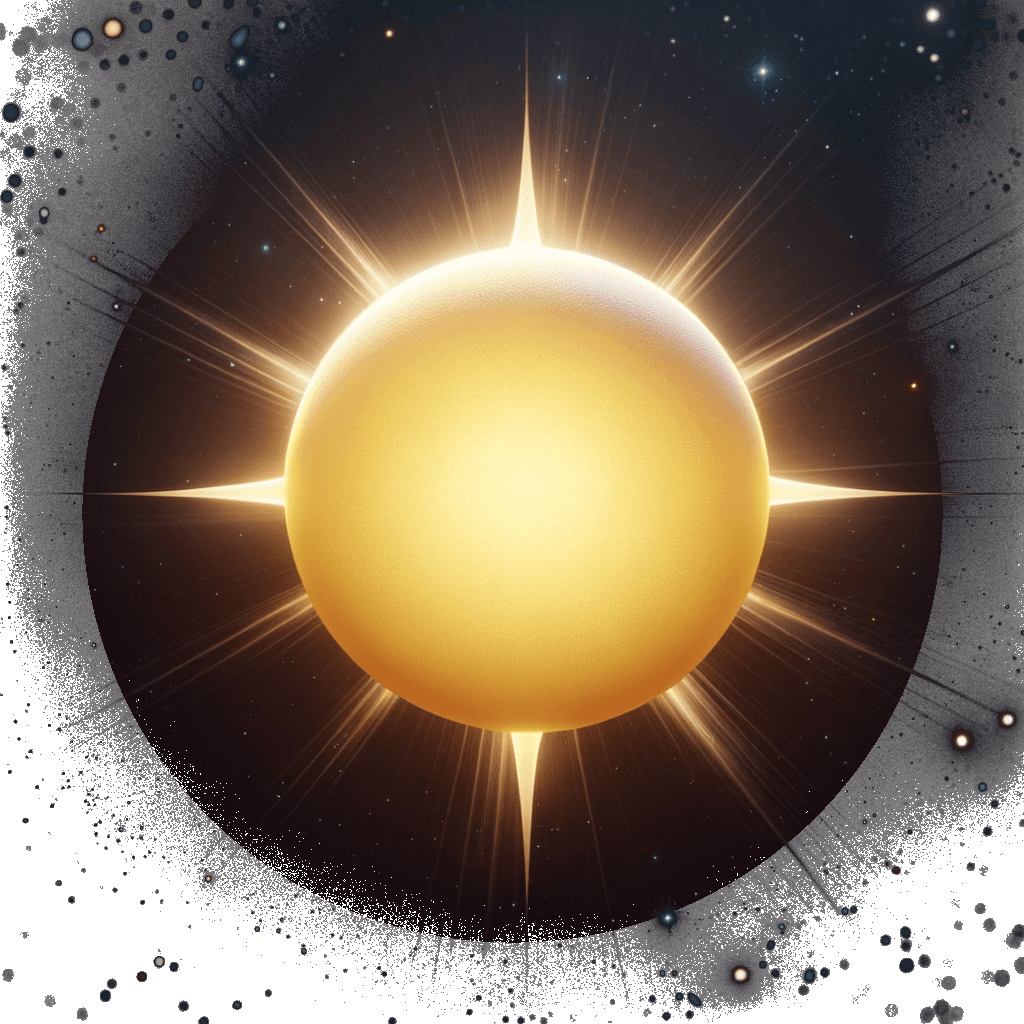
Polaris
The North Star. For centuries, sailors and explorers used Polaris to find their way. It sits almost perfectly above Earth's north pole.
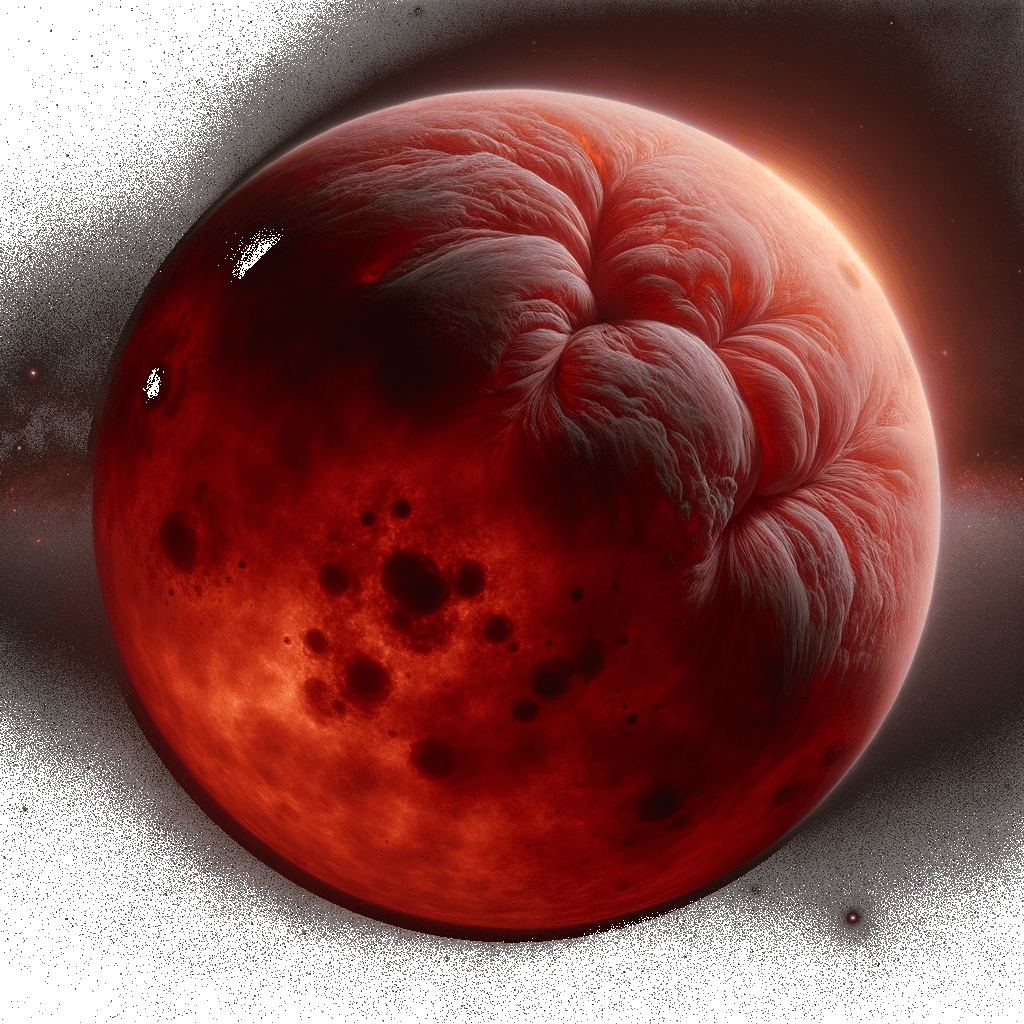
Betelgeuse
A red supergiant that could explode as a supernova any day now. Betelgeuse is so massive that if it replaced our Sun, it would swallow Mars.
Frequently asked questions
Is a shooting star actually a star?
No. A shooting star is a meteor, which is a small piece of space debris (usually dust or rock) burning up in Earth's atmosphere. Real stars are massive balls of gas millions of kilometers away.
How often can you see a shooting star?
On any clear dark night away from city lights, you can typically spot 5 to 10 random meteors per hour. During a major meteor shower like the Perseids or Geminids, that number can jump to 50-150 per hour.
Can a shooting star hit the ground?
Most meteors burn up completely in the atmosphere. But larger ones can survive and land as meteorites. The Chelyabinsk event in 2013 showed that even a 20-meter meteoroid can produce a significant impact.
What time of night is best for seeing shooting stars?
Between midnight and dawn is ideal. After midnight, your location on Earth faces into the direction of orbital travel, meaning more meteoroids hit the atmosphere above you.
Are shooting stars dangerous?
Almost never. The vast majority burn up completely at altitudes of 75 to 100 kilometers. Large impacts like Chelyabinsk are extremely rare. No confirmed human death from a meteorite has ever been recorded.
Got Questions?
Here's everything you need to know about buying a planet
Here's the deal: this is symbolic ownership. Nobody can legally own a planet (there's actually a UN treaty about it). But what you DO get is a gorgeous personalized certificate with real astronomical data and a unique registration number. Think of it as the most original gift you can possibly give someone.
The planet's real name, your personalized owner name, a custom message if you want one, a unique registration number, and the date. It's designed to look premium enough to frame and hang on a wall.
It shows up in your email as a PDF within a few minutes of buying. You can print it at home, take it to a print shop for a nicer version, or just share it digitally. Simple.
People go crazy for it. We've sold over 3,247 planets so far and we get messages all the time from people saying it's the best gift they've ever received. It works for birthdays, Valentine's Day, Christmas, weddings, new babies... pretty much any occasion.
100%. Every planet in our catalog is a real celestial body discovered by NASA, ESA, or other space agencies. We don't make anything up. The data on your certificate comes from confirmed scientific discoveries.
No problem. You've got 30 days to change your mind. Just email us at ethan@buymyplanet.com and we'll sort it out.
Yes! We sell both planets and stars. Stars are beautiful and classic. Planets are full worlds with their own characteristics, categories, and stories. Both come with a personalized certificate and real astronomical data. Pick what fits best, or get both.
Yep! Each certificate gets its own unique registration number. It's like naming a star. The ownership is personal to you, and your certificate is one of a kind.
Right now we do instant digital PDF certificates. You can print them at home or at any print shop. We're working on framed physical versions that'll ship to your door. Stay tuned.
Totally. Symbolic planet ownership is a novelty gift, kind of like star naming services. The 1967 Outer Space Treaty says no country can claim a planet, but personalized certificates are perfectly fine. It's a beloved gift worldwide.
Name a Star After Someone You Love
Pick a real star from our catalog, give it any name, and get a certificate with real astronomical coordinates. Starting at $24.99 with instant digital delivery.
Digital product. Symbolic ownership certificate.