Why Do Stars Twinkle? The Science Behind Flickering Stars
You step outside on a clear night. Thousands of tiny lights dot the sky, and most of them seem to shimmer and pulse. Some flash blue, then white, then red. What is going on up there? The short answer: nothing. Stars burn with a steady light. The twinkling happens much closer to home, right here in Earth's atmosphere. The scientific name for it is astronomical scintillation, and once you understand how it works, you will never look at the night sky the same way again.
The Quick Answer: It Is the Atmosphere
Stars do not actually twinkle. Their light is constant. But that light has to travel through roughly 100 kilometers of atmosphere before it reaches your eyes. Earth's atmosphere is not a smooth, uniform layer. It is a churning mess of air pockets at different temperatures and densities. Each pocket bends the light slightly. By the time starlight reaches you, it has been bent thousands of times, arriving from slightly different angles from one millisecond to the next. Your brain reads those tiny shifts in brightness and position as twinkling.
What Is Scintillation and How Does It Work?
Scintillation is the technical term for the twinkling effect. It happens because light changes direction when it moves from one medium to another. This is called refraction. Think about how a straw looks bent in a glass of water. The same principle applies to starlight passing through atmospheric layers. Hot air has a lower density than cold air, so it bends light differently. Wind and convection constantly shuffle these warm and cold air pockets around. The result is that the path starlight takes through the atmosphere changes hundreds of times per second. Sometimes more light reaches your eye, sometimes less. Sometimes the light shifts slightly left, sometimes right. Put it all together and you get that familiar shimmer.
Why Do Stars Twinkle But Planets Do Not?
Here is a trick astronomers have used for centuries to tell stars from planets: if it twinkles, it is a star. If it shines with a steady light, it is probably a planet. Why the difference? Distance. Stars are so far away that they appear as tiny points of light, even through a telescope. A single point source is easy for the atmosphere to push around. Planets are much closer. Through the atmosphere, they appear as tiny disks rather than points. Light coming from different parts of that disk gets bent in different directions, but the overall effect averages out. The planet's brightness stays roughly constant. There are exceptions. A planet very low on the horizon can twinkle slightly because its light passes through a thicker slice of atmosphere. But on most nights, the steady ones are planets.
Why Stars Twinkle More Near the Horizon
A star directly overhead twinkles less than a star near the horizon. The reason is straightforward. Light from a star overhead passes through a relatively thin layer of atmosphere, maybe 10 kilometers or so of dense air. Light from a star near the horizon has to travel through a much longer path, sometimes 30 to 40 times more atmosphere. More atmosphere means more air pockets, more temperature changes, and more refraction. That is why stars near the horizon often flash wildly in different colors. The atmosphere acts like a weak prism, splitting the light into its component wavelengths. Red, blue, and green flash in rapid succession. Sirius, the brightest star in the sky, is famous for this when it sits low. People sometimes mistake its flashing for a UFO.
Do Stars Twinkle in Space?
No. Astronauts on the International Space Station see perfectly steady stars. No atmosphere means no refraction, no scintillation, and no twinkling. This is one of the main reasons major observatories are built on mountaintops or why NASA launched the Hubble Space Telescope. Hubble orbits about 540 kilometers above Earth, well above the atmosphere. Its images are sharp and steady because starlight reaches its mirror without passing through any turbulent air. The James Webb Space Telescope sits 1.5 million kilometers away at the L2 point, even further from atmospheric interference. For ground-based telescopes, astronomers use a technology called adaptive optics. A laser creates an artificial star in the upper atmosphere, and a computer measures how much it twinkles. Then a flexible mirror adjusts its shape hundreds of times per second to cancel out the distortion.
Star Colors and What Twinkling Reveals
When a star twinkles near the horizon, you might notice it flashing different colors. That is not your imagination. Starlight contains every wavelength of visible light. As the atmosphere refracts it, shorter wavelengths like blue and violet get bent more than longer ones like red and orange. The effect is similar to sunlight passing through a prism. Each tiny atmospheric disturbance separates the colors slightly, so for a fraction of a second you see blue, then red, then white. The star Sirius is the best example. It is the brightest star visible from most of the Northern Hemisphere, and when it sits low in winter skies, the color flashing is dramatic. Vega and Arcturus do the same thing. Stars higher in the sky twinkle less and show fewer color shifts because their light passes through less atmosphere.
Why Astronomers Build Telescopes on Mountains
Professional observatories sit on mountaintops for a reason. Higher altitude means less atmosphere above the telescope, which means less scintillation. The best sites also have stable, dry air with minimal turbulence. Mauna Kea in Hawaii sits at 4,200 meters and is home to some of the world's most powerful telescopes. The Atacama Desert in Chile hosts dozens of observatories because its dry, cold air at 2,500 to 5,000 meters creates some of the steadiest skies on Earth. The Canary Islands, South Africa, and parts of Australia also rank highly. Astronomers measure sky quality in terms of seeing, expressed in arcseconds. A seeing of 1 arcsecond is good. Below 0.5 arcseconds is exceptional. On a bad night in a humid city, seeing might be 3 or 4 arcseconds, meaning stars appear bloated and blurry.
How Twinkling Affects Stargazing (and How to Beat It)
If you are trying to observe stars, planets, or deep-sky objects, twinkling is your enemy. It blurs details and makes it harder to split double stars or see planetary features. Here are some practical ways to reduce its effect. Go to higher elevation if you can. Even a few hundred meters helps. Observe when stars are high in the sky, not near the horizon. Wait for calm, stable nights. After a cold front passes and the air settles, seeing often improves dramatically. Avoid observing over rooftops, parking lots, or other heat sources. Warm air rising from these surfaces creates local turbulence right in your line of sight. Use a telescope with a larger aperture. Bigger mirrors and lenses collect light from a wider area, which averages out some of the scintillation. And if you really want rock-steady views, planetary observation works best in the hour or two before dawn, when the ground has cooled and turbulence is at its minimum.
Fun Facts About Twinkling Stars
The fastest twinkling happens at about 300 times per second, way too fast for your eyes to track individually. What you perceive as twinkling is actually the average of many rapid fluctuations. Radio waves from space also scintillate, but due to the interstellar medium rather than Earth's atmosphere. This was how pulsars were first discovered in 1967. Jocelyn Bell Burnell noticed a regular pattern in radio scintillation data and realized it came from a rotating neutron star. The military has studied scintillation extensively because it affects satellite communication and laser weapons. Turbulence in the atmosphere can scatter laser beams, reducing their effectiveness. Some adaptive optics technology used in astronomy was originally developed for defense purposes. Ancient sailors used twinkling to navigate. Steady lights near the horizon were planets, useful for getting bearings. Twinkling lights were stars, useful for identifying constellations and latitude.
The Brightest Twinkling Stars You Can See Tonight
Some stars are more famous for their twinkling than others, mostly because they are bright and often sit low in the sky. Sirius, in Canis Major, is the brightest star visible from Earth and twinkles dramatically in winter when it hangs near the horizon. Canopus, the second-brightest star, puts on a show for observers in the Southern Hemisphere. Capella, in Auriga, flashes yellow and blue when it is low in northern skies during autumn evenings. Betelgeuse and Rigel in Orion both twinkle noticeably in winter. Vega, the brightest star in the summer triangle, twinkles less because it passes nearly overhead for mid-northern latitudes. Polaris, the North Star, barely twinkles at all from most locations because it sits relatively high in the sky all night. Its steadiness is part of what made it so useful for navigation.
Name Your Favorite Star
If twinkling stars have caught your attention, you might want to take that connection further. BuyMyPlanet lets you name a real star from our catalog. You choose the star, pick any name you want, and get a certificate with real astronomical coordinates. Point any stargazing app at those coordinates and there it is. It is a symbolic gesture, not an official IAU designation, but it makes a genuinely personal gift. Certificates start at $24.99 with instant digital delivery. The premium option at $29.99 includes a personalized web page with a QR code linking to your named star.
Related articles & guides
Discover the brightest stars in the sky and learn how stars are named. Browse our planets page or buy a star. Check out stargazing without a telescope. Got questions? See our FAQ.
Stars to explore
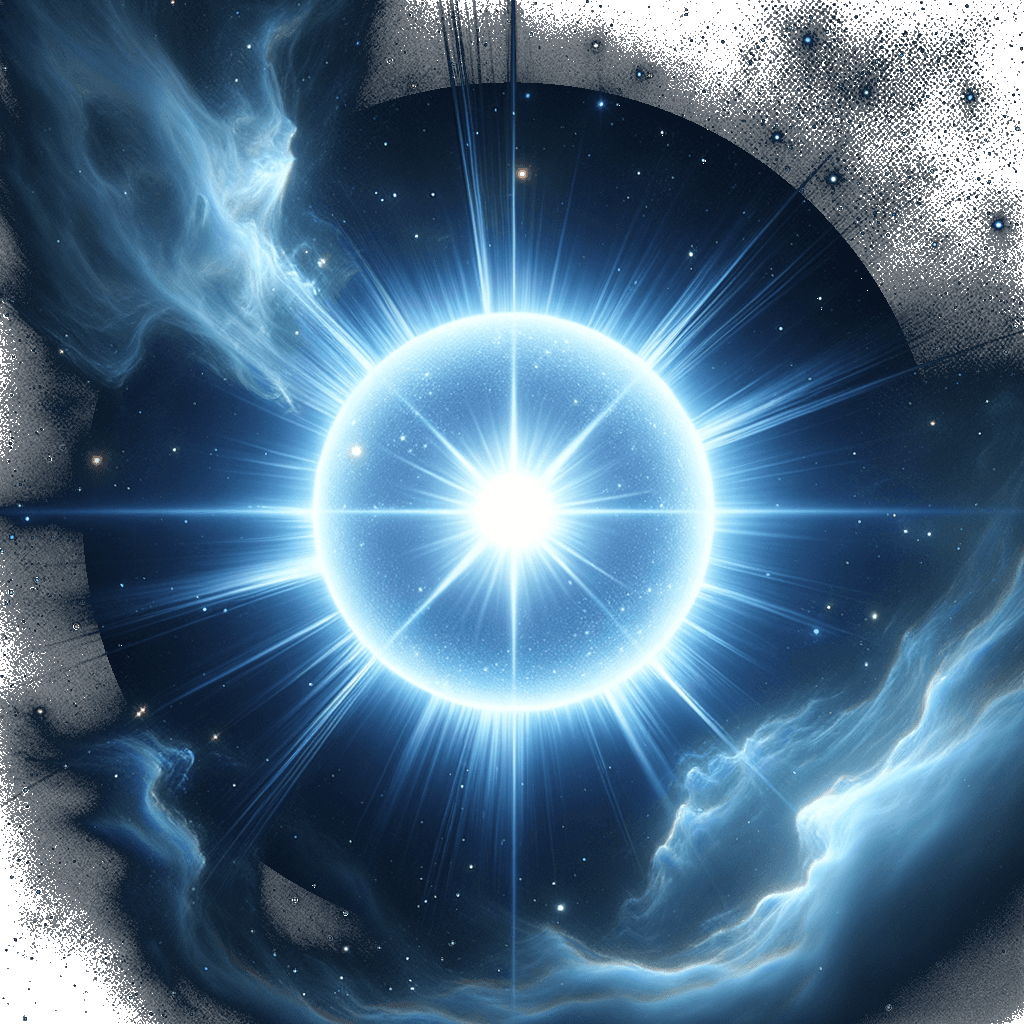
Sirius
The brightest star in the night sky. Sirius is a dazzling blue-white star just 8.6 light-years away. Ancient Egyptians built their calendar around it.
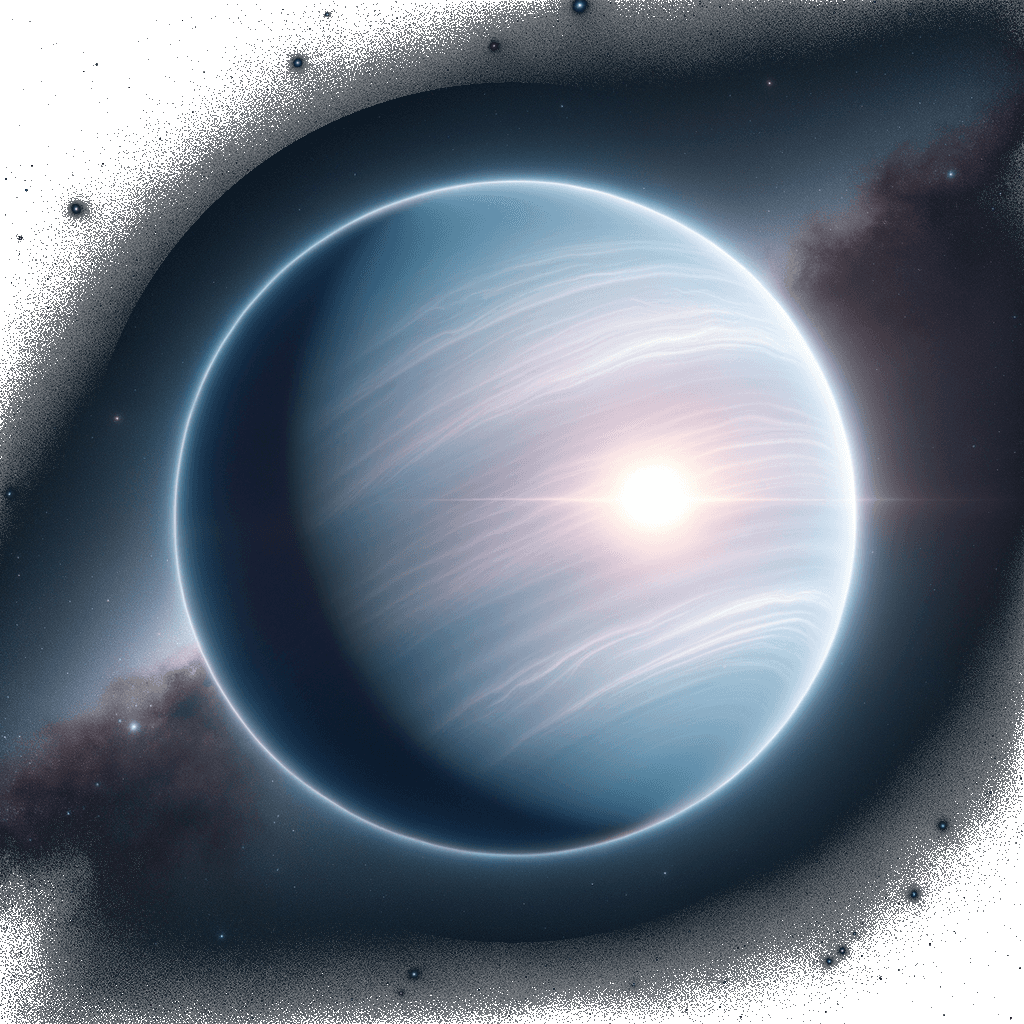
Vega
One of the brightest stars you can see from Earth. Vega was the first star ever photographed (back in 1850) and the first to have its spectrum recorded.
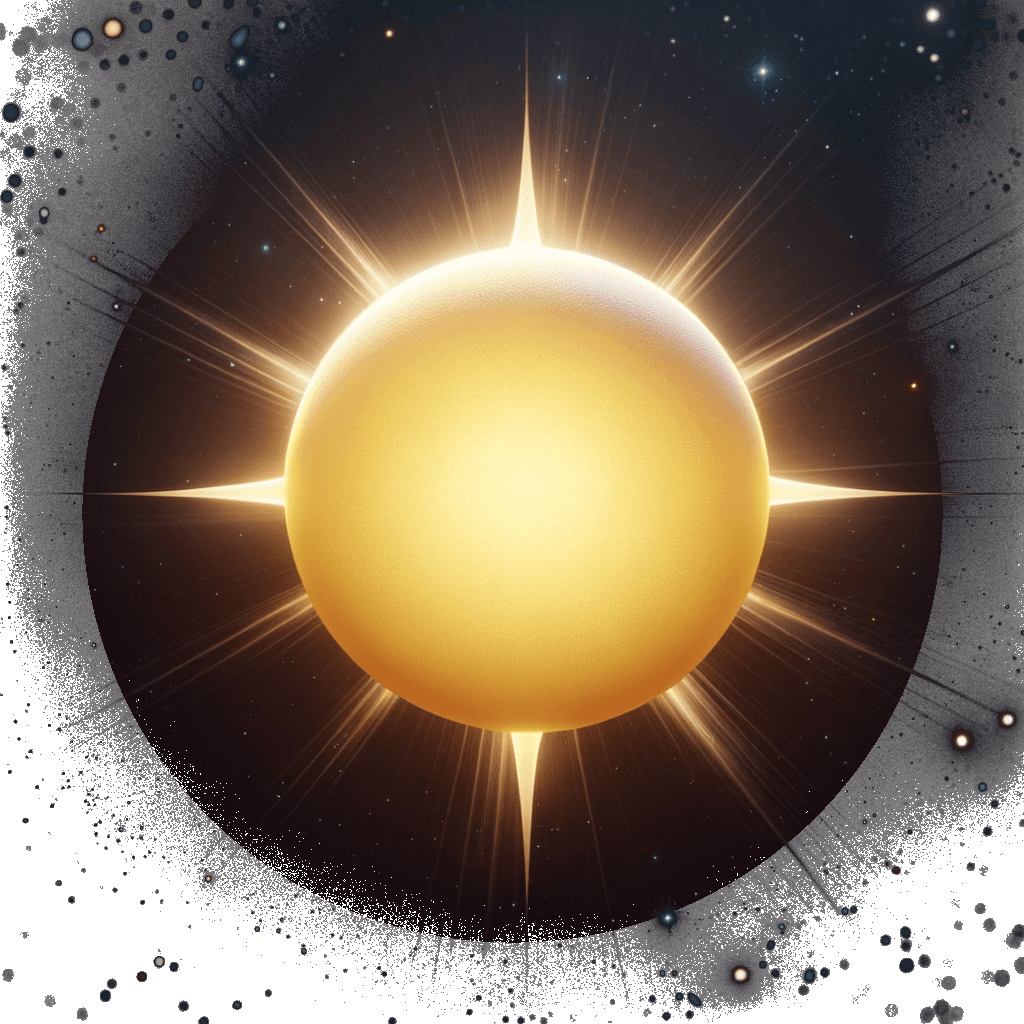
Polaris
The North Star. For centuries, sailors and explorers used Polaris to find their way. It sits almost perfectly above Earth's north pole.
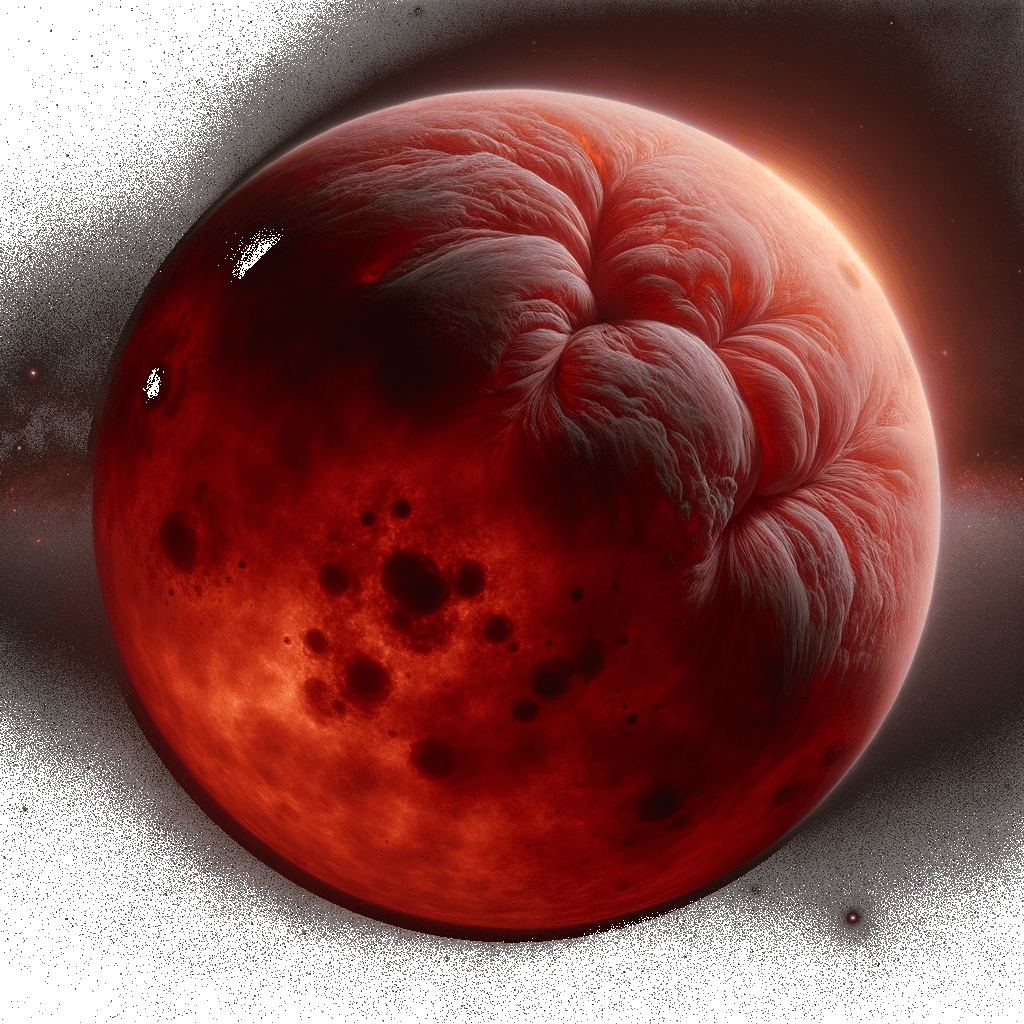
Betelgeuse
A red supergiant that could explode as a supernova any day now. Betelgeuse is so massive that if it replaced our Sun, it would swallow Mars.
Frequently asked questions
Why do stars twinkle but planets do not?
Stars are so far away they appear as point sources of light, easily disturbed by atmospheric turbulence. Planets are closer and appear as tiny disks, so the distortions average out and their light looks steady.
What is the scientific name for star twinkling?
Astronomical scintillation. It is caused by refraction as starlight passes through layers of atmosphere with different temperatures and densities.
Do stars twinkle in outer space?
No. Without an atmosphere there is no refraction and no scintillation. Astronauts see perfectly steady stars from the International Space Station.
Why do stars twinkle more near the horizon?
Light from stars near the horizon passes through a much thicker layer of atmosphere compared to stars overhead. More atmosphere means more refraction and more twinkling.
Can you reduce star twinkling when stargazing?
Yes. Observe from higher altitudes, look at stars high in the sky rather than near the horizon, stargaze on calm nights, and avoid heat sources like rooftops or parking lots that create local turbulence.
Got Questions?
Here's everything you need to know about buying a planet
Here's the deal: this is symbolic ownership. Nobody can legally own a planet (there's actually a UN treaty about it). But what you DO get is a gorgeous personalized certificate with real astronomical data and a unique registration number. Think of it as the most original gift you can possibly give someone.
The planet's real name, your personalized owner name, a custom message if you want one, a unique registration number, and the date. It's designed to look premium enough to frame and hang on a wall.
It shows up in your email as a PDF within a few minutes of buying. You can print it at home, take it to a print shop for a nicer version, or just share it digitally. Simple.
People go crazy for it. We've sold over 3,247 planets so far and we get messages all the time from people saying it's the best gift they've ever received. It works for birthdays, Valentine's Day, Christmas, weddings, new babies... pretty much any occasion.
100%. Every planet in our catalog is a real celestial body discovered by NASA, ESA, or other space agencies. We don't make anything up. The data on your certificate comes from confirmed scientific discoveries.
No problem. You've got 30 days to change your mind. Just email us at ethan@buymyplanet.com and we'll sort it out.
Yes! We sell both planets and stars. Stars are beautiful and classic. Planets are full worlds with their own characteristics, categories, and stories. Both come with a personalized certificate and real astronomical data. Pick what fits best, or get both.
Yep! Each certificate gets its own unique registration number. It's like naming a star. The ownership is personal to you, and your certificate is one of a kind.
Right now we do instant digital PDF certificates. You can print them at home or at any print shop. We're working on framed physical versions that'll ship to your door. Stay tuned.
Totally. Symbolic planet ownership is a novelty gift, kind of like star naming services. The 1967 Outer Space Treaty says no country can claim a planet, but personalized certificates are perfectly fine. It's a beloved gift worldwide.
Fascinated by Stars?
Name a real star from our catalog. Pick any name, get a certificate with actual coordinates you can look up with any stargazing app. Starts at $24.99 with instant digital delivery.
Digital product. Symbolic ownership certificate.