Can You Buy a Star? What You're Actually Getting
Somebody told you that you can buy a star and name it after someone. Maybe you saw an ad online. Maybe a friend got one as a birthday gift. So you're wondering: is this real? Can you actually buy a star in the sky? The short answer is that you can't own a star, but you absolutely can name one. And honestly, understanding the difference makes the whole thing better.
The Honest Answer About Buying a Star
Nobody can sell you a star. Stars are massive balls of burning gas millions of miles away, and no person, company, or government has the authority to transfer ownership of one. The 1967 Outer Space Treaty, signed by over 110 countries, makes this clear: outer space is not subject to national appropriation or ownership claims. So when a company says you can "buy a star," what they really mean is that you can name one through their registry. You get a certificate, the star's real coordinates, and sometimes a sky map. It's symbolic, not legal. But here's the thing: that doesn't make it meaningless. The star is real. The coordinates are real. The gesture is real.
How Star Naming Services Work
Star naming services have been around since the late 1970s. The process is straightforward. You pick a star from a catalog of real, documented stars. You choose a name for it. The company records your chosen name alongside the star's catalog number, coordinates, magnitude, and constellation in their registry. Then you get a certificate with all that information. Most services let you pick a constellation, choose between visible and invisible stars, and customize the certificate. Prices typically range from $20 to $100 depending on the package. Some include printed star maps, apps to locate your star in the night sky, or framed certificates. The star data comes from real astronomical databases. These aren't made-up coordinates. The stars exist, you can find them with a telescope, and the data matches what actual astronomers use.
The IAU and Official Star Names
The International Astronomical Union (IAU) is the only organization that assigns official names to celestial objects. They've been doing this since 1919. Most stars don't have proper names at all. They have catalog designations like HD 209458 or TYC 4799-1733-1. The IAU has officially named about 330 stars, mostly ancient names like Sirius, Betelgeuse, and Polaris that have been used for centuries. The IAU does not recognize names assigned by commercial star-naming services. They've been very clear about this. But here's some context: the IAU doesn't recognize them because they don't need to. Their job is scientific classification, not personal dedications. A star naming certificate is a personal gift, not a scientific document. Those are two completely different things, and that's fine.
Is Buying a Star a Scam?
This is the big question, and the answer depends on what you expect. If you think you're getting legal ownership of an actual celestial body, then yes, you'd be disappointed. But reputable star naming services are upfront about what they sell. They sell a personalized certificate linked to a real star with real astronomical data. That's the product. Is a birthday card a scam because Hallmark doesn't own your birthday? Obviously not. The problems come from shady companies that use misleading language like "official star registry" or "internationally recognized." Good services are honest: this is a symbolic, sentimental gift. The star is real, the name is personal, and the certificate is a keepsake. Stick with services that are transparent about what you're getting, and you won't feel cheated.
Best Reasons to Name a Star After Someone
People name stars for all kinds of reasons, and most of them are pretty great. Birthday gifts are the most popular, especially milestone birthdays like 18, 30, or 50. Anniversaries work well too because you're basically saying "you're my star" in the most literal way possible. Valentine's Day is huge for star naming. Memorial dedications are another big one. Naming a star after someone who passed away gives the family a specific point in the sky to look at and remember. New parents name stars after their babies. Couples name stars after each other. Teachers get stars from graduating students. The best part? Unlike flowers that die or gift cards that get spent, a star certificate stays relevant forever. That star will be burning for billions of years.
How to Choose a Star Naming Service
Not all star naming services are equal. Here's what to look for. First, check if they use real astronomical data. The star should have verifiable coordinates from an actual catalog. Second, read what they promise. If a service claims your name will be "officially recognized" or "registered with NASA," walk away. NASA doesn't register star names. Third, look at the certificate quality. You want something that looks good enough to frame. Fourth, check if they offer a way to find the star, like coordinates compatible with sky map apps. Fifth, consider the price. You shouldn't need to spend more than $30 for a solid package. BuyMyPlanet offers star naming at $24.99 with real data and a personalized certificate. The premium option at $29.99 adds a custom web page with a QR code.
Stars You Can Actually See in the Night Sky
About 9,000 stars are visible to the naked eye under perfect conditions. In a city, you might see a few hundred. The brightest stars have been known since ancient times. Sirius, the brightest star visible from Earth, sits in the constellation Canis Major. Polaris, the North Star, has guided travelers for centuries. Betelgeuse in Orion has a distinct reddish color. Vega in Lyra is one of the brightest summer stars. If you're naming a star as a gift, choosing one in a recognizable constellation makes it easier for the recipient to find it. Imagine pointing at Orion and saying "see that star right there? That one's yours." That's a pretty solid moment.
Star Naming vs. Planet Naming
Both star and planet naming services exist, and they work similarly. The main difference is what you're naming. Stars are suns, massive and self-luminous. Planets orbit stars and don't produce their own light. From a gift perspective, both are cool. Stars have the advantage of being visible in the night sky, so the recipient can actually look up and find "their" star. Planets have the advantage of being more familiar. Everyone knows Mars and Jupiter. If you're choosing between the two, think about what the person would enjoy more. Space nerds might prefer a specific star in a constellation they love. Casual fans might enjoy having a planet. Either way, the concept is the same: connecting someone's name to a real object in space.
The Science Behind Star Catalogs
Every star you can name through a service comes from a real astronomical catalog. The most commonly used ones are the Hipparcos Catalog (about 118,000 stars mapped by the European Space Agency), the Henry Draper Catalogue (over 225,000 stars classified by spectral type), and the Tycho-2 Catalogue (2.5 million stars with precise positions). These catalogs contain real data: coordinates, brightness, distance from Earth, spectral class, and more. When you name a star, all this data comes with it. The certificate isn't just a pretty name on paper. It links to an actual astronomical object with measurable, verifiable properties. That's what separates legitimate star naming from pure fiction.
What About Buying a Planet Instead?
If the star thing sounds cool, you might also want to consider naming a planet. The concept is identical. You pick a real planet from a catalog, choose a name, and get a certificate with actual astronomical data. BuyMyPlanet has a whole catalog of planets you can browse, from the familiar ones in our solar system to newly discovered exoplanets. Prices start at $24.99. You can check our planets page to see what's available. And honestly? Getting someone a planet AND a star makes for a pretty unforgettable combo gift.
The Future of Star Ownership and Space Law
Space law is changing, slowly. The Outer Space Treaty from 1967 remains the foundation, but new questions keep coming up. As commercial space travel becomes reality and companies like SpaceX send people beyond Earth, the rules around space property will need updating. The Artemis Accords, signed by over 30 countries, are starting to address resource rights on the Moon and other bodies. But star ownership? That's not on anyone's agenda. Stars are too far away, too massive, and too numerous for ownership to make any practical sense. What will likely continue to grow is the symbolic naming market. As space becomes more culturally relevant, connecting your name to a real celestial object becomes a more meaningful gesture, not less.
Stars to explore
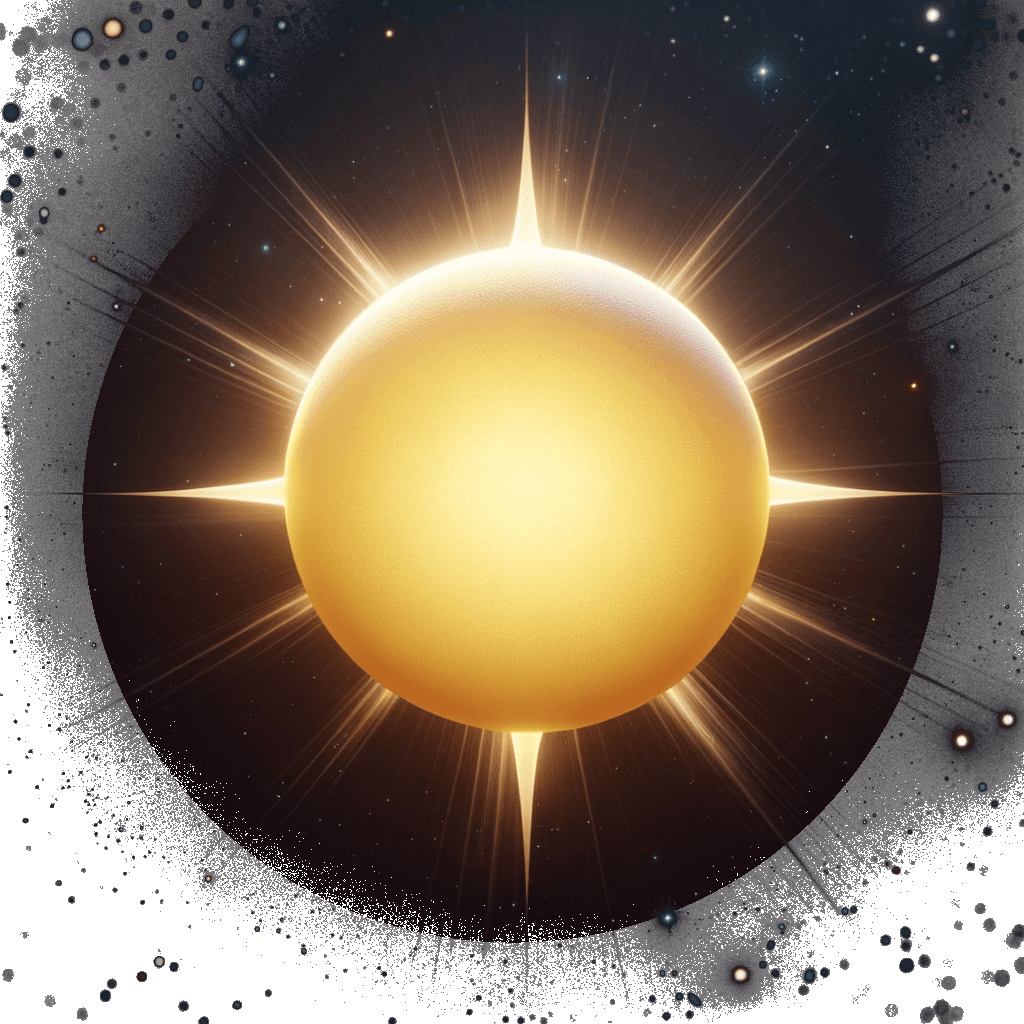
Polaris
The North Star. For centuries, sailors and explorers used Polaris to find their way. It sits almost perfectly above Earth's north pole.

Sirius
The brightest star in the night sky. Sirius is a dazzling blue-white star just 8.6 light-years away. Ancient Egyptians built their calendar around it.
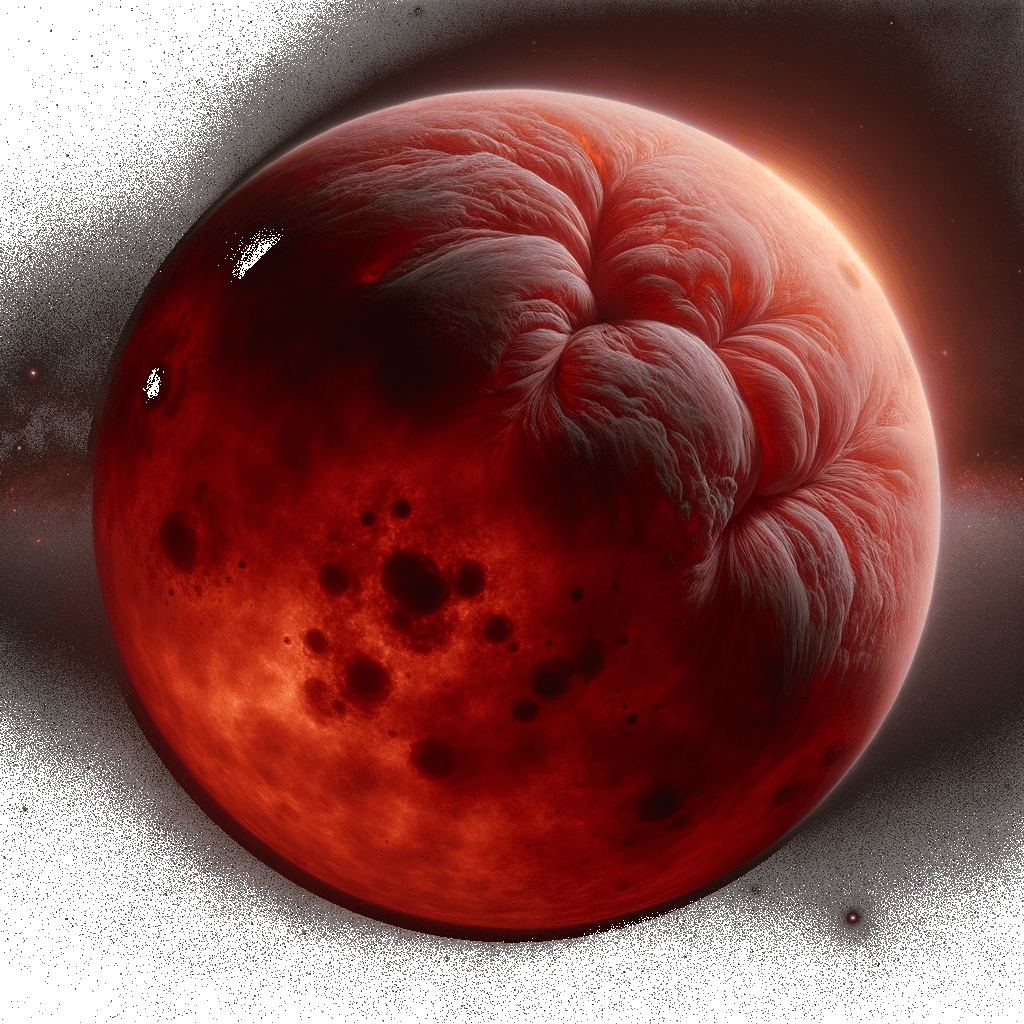
Betelgeuse
A red supergiant that could explode as a supernova any day now. Betelgeuse is so massive that if it replaced our Sun, it would swallow Mars.

Vega
One of the brightest stars you can see from Earth. Vega was the first star ever photographed (back in 1850) and the first to have its spectrum recorded.
Related articles & guides
Check out our planets page to explore our full catalog. You can also buy a star directly. Curious about how stars get their names? Or find out if you can buy a planet. Got questions? Visit our FAQ.
Frequently asked questions
Can you legally own a star?
No. The 1967 Outer Space Treaty prevents anyone from owning celestial bodies. Star naming services offer symbolic naming linked to real star data, not legal ownership.
Does the IAU recognize star naming services?
No. The IAU only assigns names for scientific purposes. But star naming certificates are personal gifts, not scientific documents. They serve completely different purposes.
Is naming a star after someone a good gift?
Yes, especially for birthdays, anniversaries, memorials, or Valentine's Day. The recipient gets a real star with real coordinates they can actually find in the night sky.
How much does it cost to name a star?
Most services charge between $20 and $100. BuyMyPlanet offers star naming at $24.99 with real NASA data, coordinates, and a personalized certificate.
Can you see the star you named?
It depends on the star's magnitude. Many services let you choose a visible star. You can use the coordinates on your certificate with a stargazing app or telescope to find it.
Got Questions?
Here's everything you need to know about buying a planet
Here's the deal: this is symbolic ownership. Nobody can legally own a planet (there's actually a UN treaty about it). But what you DO get is a gorgeous personalized certificate with real astronomical data and a unique registration number. Think of it as the most original gift you can possibly give someone.
The planet's real name, your personalized owner name, a custom message if you want one, a unique registration number, and the date. It's designed to look premium enough to frame and hang on a wall.
It shows up in your email as a PDF within a few minutes of buying. You can print it at home, take it to a print shop for a nicer version, or just share it digitally. Simple.
People go crazy for it. We've sold over 3,247 planets so far and we get messages all the time from people saying it's the best gift they've ever received. It works for birthdays, Valentine's Day, Christmas, weddings, new babies... pretty much any occasion.
100%. Every planet in our catalog is a real celestial body discovered by NASA, ESA, or other space agencies. We don't make anything up. The data on your certificate comes from confirmed scientific discoveries.
No problem. You've got 30 days to change your mind. Just email us at ethan@buymyplanet.com and we'll sort it out.
Yes! We sell both planets and stars. Stars are beautiful and classic. Planets are full worlds with their own characteristics, categories, and stories. Both come with a personalized certificate and real astronomical data. Pick what fits best, or get both.
Yep! Each certificate gets its own unique registration number. It's like naming a star. The ownership is personal to you, and your certificate is one of a kind.
Right now we do instant digital PDF certificates. You can print them at home or at any print shop. We're working on framed physical versions that'll ship to your door. Stay tuned.
Totally. Symbolic planet ownership is a novelty gift, kind of like star naming services. The 1967 Outer Space Treaty says no country can claim a planet, but personalized certificates are perfectly fine. It's a beloved gift worldwide.
Name a Star Today
Pick a real star, give it a name, and get a certificate with actual coordinates. From $24.99.
Digital product. Symbolic ownership certificate.