Les types d'étoiles : guide complet de l'univers stellaire
Toutes les étoiles ne se ressemblent pas. Certaines sont minuscules et à peine visibles. D'autres sont tellement énormes qu'elles pourraient avaler notre système solaire en entier. La couleur d'une étoile te dit sa température. Sa taille te dit son âge. Et sa mort dépend de la façon dont elle a vécu. Voici ton guide de chaque type d'étoile que les astronomes ont identifié jusqu'ici.
Comment les astronomes classent les étoiles
Les étoiles sont classées selon un système appelé classification spectrale, créé il y a plus d'un siècle à l'Observatoire de Harvard. Les classes vont de O, B, A, F, G, K à M, de la plus chaude à la plus froide. Chaque lettre correspond à une plage de température de surface et une couleur. Les étoiles O brûlent au-dessus de 30 000 Kelvin et apparaissent bleues. Les étoiles M sont en dessous de 3 500 Kelvin et brillent en rouge. Notre Soleil est une étoile de type G, pile au milieu, à environ 5 778 Kelvin avec une couleur blanc-jaune. En plus de la température, les astronomes classent aussi les étoiles par classe de luminosité. Un chiffre romain de I (supergéante) à V (naine de la séquence principale) indique la brillance réelle de l'étoile. Le Soleil est techniquement une étoile G2V. C'est son adresse complète dans le catalogue stellaire.
Les étoiles de la séquence principale : le gros du bataillon
Environ 90 % de toutes les étoiles visibles sont des étoiles de la séquence principale. Ça inclut notre Soleil. Ce sont des étoiles dans la force de l'âge, qui fusionnent l'hydrogène en hélium dans leur noyau. Le processus est simple mais puissant : quatre atomes d'hydrogène fusionnent en un atome d'hélium, et la masse restante se transforme en énergie selon le fameux E=mc2 d'Einstein. Une étoile de la séquence principale peut continuer comme ça pendant des millions à des milliers de milliards d'années selon sa masse. Les étoiles massives brûlent leur carburant vite, en peut-être 10 millions d'années. Les petites sont plus économes et peuvent briller pendant plus d'un billion d'années. La séquence principale n'est pas un endroit dans l'espace. C'est une bande sur un graphique appelé diagramme de Hertzsprung-Russell, où la température d'une étoile tracée contre sa luminosité révèle une ligne diagonale nette.
Les naines rouges : petites, froides et partout
Les naines rouges sont le type d'étoile le plus répandu dans la Voie lactée. Environ 73 % de toutes les étoiles de notre galaxie en sont, mais tu n'en verras aucune à l'œil nu. Elles sont trop faibles. L'étoile la plus proche du Soleil, Proxima du Centaure, est une naine rouge à seulement 4,24 années-lumière, et elle reste invisible sans télescope. Les naines rouges vont d'environ 7,5 % à 50 % de la masse du Soleil. Elles brûlent leur hydrogène si lentement qu'elles peuvent durer des milliers de milliards d'années. Comme l'univers n'a que 13,8 milliards d'années, aucune naine rouge n'est jamais morte de vieillesse. Chaque naine rouge qui s'est formée brûle encore aujourd'hui. Certaines hébergent des planètes. En 2016, on a découvert Proxima Centauri b, une planète rocheuse dans la zone habitable de notre plus proche voisine stellaire.
Les géantes et supergéantes bleues : chaudes, brillantes et éphémères
À l'opposé des naines rouges, les géantes bleues sont massives, extrêmement chaudes et brûlent leur carburant à une vitesse folle. Une géante bleue peut faire 10 à 50 fois la masse du Soleil et briller 10 000 fois plus fort. Mais cette puissance a un prix. Rigel, la supergéante bleue dans Orion, n'a que 8 millions d'années et approche déjà la fin de sa vie. Compare ça à notre Soleil de 4,6 milliards d'années, qui a encore environ 5 milliards d'années de carburant. Les géantes bleues ont des températures de surface supérieures à 10 000 Kelvin, parfois dépassant 50 000 Kelvin. Leur lumière culmine dans le bleu et l'ultraviolet. Elles sont rares : moins d'1 étoile sur 3 millions dans la Voie lactée est une géante bleue. Mais comme elles brillent tellement fort, elles sont faciles à repérer. Beaucoup des étoiles les plus brillantes que tu vois la nuit sont des géantes bleues malgré des distances de centaines d'années-lumière.
Les géantes rouges : quand le carburant s'épuise
Chaque étoile de la séquence principale finit par manquer d'hydrogène dans son noyau. Quand ça arrive, le noyau se contracte et chauffe tandis que les couches externes gonflent et refroidissent. L'étoile se transforme en géante rouge. Notre Soleil deviendra une géante rouge dans environ 5 milliards d'années. Quand ce sera le cas, il s'étendra au-delà de l'orbite de Mercure et Vénus, et possiblement jusqu'à l'orbite terrestre. La surface refroidira à environ 3 000-4 000 Kelvin, lui donnant une couleur rouge profond. Mais la production totale d'énergie augmente parce que l'étoile est tellement plus grande. Bételgeuse, la supergéante rouge sur l'épaule d'Orion, en est déjà à ce stade. Elle fait environ 700 fois le diamètre du Soleil. Les géantes rouges sont importantes pour l'univers car quand elles perdent leurs couches externes, elles dispersent des éléments lourds comme le carbone et l'oxygène dans l'espace. Ces éléments forment ensuite de nouvelles étoiles, des planètes, et oui, des gens.
Les naines blanches : ce qui reste quand une étoile meurt
Quand une géante rouge finit de perdre ses couches externes, il reste une naine blanche. C'est le noyau exposé d'une étoile morte, incroyablement dense et qui refroidit lentement pendant des milliards d'années. Une naine blanche typique contient environ 60 % de la masse du Soleil dans quelque chose de la taille de la Terre. Une cuillère à café de matière de naine blanche pèserait environ 5,5 tonnes. Les naines blanches ne fusionnent plus d'hydrogène ni d'hélium. Elles brillent parce qu'elles sont encore très chaudes de leur vie précédente. Avec le temps, elles refroidissent et s'éteignent. Un jour, dans des milliards d'années, elles deviendront des naines noires, des cadavres stellaires qui n'émettent plus aucune lumière. Aucune naine noire n'existe encore car l'univers n'est pas assez vieux. Sirius B, la compagne de l'étoile la plus brillante de notre ciel, est une naine blanche célèbre, la première jamais découverte en 1862.
Les étoiles à neutrons : les objets les plus denses visibles
Quand une étoile de 8 à 20 fois la masse du Soleil meurt, elle ne s'éteint pas doucement. Elle explose en supernova, et son noyau s'effondre en étoile à neutrons. Ces objets font seulement 20 kilomètres de diamètre, la taille d'une ville, mais contiennent 1,4 à 2 fois la masse du Soleil. La densité dépasse l'imagination. Un morceau de la taille d'un morceau de sucre pèserait environ un milliard de tonnes sur Terre. Les étoiles à neutrons tournent vite. Certaines font des centaines de tours par seconde. Quand elles émettent des faisceaux de radiation depuis leurs pôles magnétiques, on les appelle des pulsars. Le premier pulsar a été découvert en 1967 par Jocelyn Bell Burnell. Le signal était si régulier que les chercheurs l'ont brièvement surnommé LGM-1, pour « Little Green Men ». Les magnétars sont un type spécial d'étoile à neutrons avec des champs magnétiques un billion de fois plus forts que celui de la Terre.
Supergéantes et hypergéantes : les monstres absolus
Les supergéantes sont les plus grandes étoiles de l'univers. Elles peuvent faire 100 à 1 700 fois le diamètre du Soleil et être des millions de fois plus lumineuses. UY Scuti, l'une des plus grandes étoiles connues, a un rayon environ 1 700 fois celui du Soleil. Placée dans notre système solaire, sa surface dépasserait l'orbite de Jupiter. Les hypergéantes sont encore plus extrêmes. Eta Carinae, à environ 7 500 années-lumière de la Terre, est une hypergéante d'environ 100 masses solaires qui brille 5 millions de fois plus que le Soleil. Dans les années 1840, elle a eu une éruption massive qui l'a brièvement rendue la deuxième étoile la plus brillante du ciel. Ces étoiles massives vivent vite et meurent jeunes. Leur durée de vie se compte en millions d'années à un chiffre. Quand elles explosent, elles laissent des étoiles à neutrons ou des trous noirs.
Les naines brunes : presque une étoile, pas tout à fait une planète
Les naines brunes occupent la zone floue entre les plus grosses planètes gazeuses et les plus petites vraies étoiles. Elles se forment comme des étoiles, à partir de nuages de gaz qui s'effondrent, mais n'accumulent jamais assez de masse pour maintenir la fusion de l'hydrogène. Le seuil se situe à environ 80 fois la masse de Jupiter, soit environ 7,5 % de la masse du Soleil. En dessous, c'est une naine brune. Elles produisent quand même un peu de chaleur et de lumière, principalement par fusion du deutérium et contraction gravitationnelle, mais s'éteignent avec le temps. Certaines naines brunes ont une météo, avec des nuages de fer fondu et des pluies de silicate. La première naine brune confirmée, Teide 1, a été découverte en 1995. La frontière entre une planète géante et une naine brune fait encore débat chez les astronomes.
Les systèmes d'étoiles binaires et multiples
Le truc qui surprend beaucoup de gens : la majorité des étoiles ne sont pas seules. Plus de la moitié de tous les systèmes stellaires de la Voie lactée sont binaires ou multiples, c'est-à-dire deux étoiles ou plus en orbite l'une autour de l'autre. Alpha du Centaure, le système stellaire le plus proche, est en fait un système triple. Alpha Centauri A et B orbitent l'une autour de l'autre de près, tandis que Proxima du Centaure orbite la paire à bien plus grande distance. Les binaires se déclinent en plusieurs types. Les binaires visuelles se séparent au télescope. Les binaires spectroscopiques sont trop proches pour être vues séparément, mais leur mouvement orbital apparaît dans leurs spectres lumineux. Les binaires à éclipses passent l'une devant l'autre depuis notre point de vue, causant des baisses régulières de luminosité. Algol, l'« Étoile du Démon » dans Persée, est une binaire à éclipses célèbre qui faiblit tous les 2,87 jours.
Les étoiles variables : des étoiles qui changent de luminosité
Certaines étoiles ne brillent pas de façon constante. Elles pulsent, scintillent ou changent de luminosité selon des schémas prévisibles ou non. Ce sont les étoiles variables, étudiées depuis des siècles. Les céphéides sont les plus connues. Elles pulsent selon un cycle régulier, s'étendant et se contractant comme un battement de cœur lent. La période de pulsation est directement liée à la vraie luminosité de l'étoile, ce qui permet aux astronomes de les utiliser comme « chandelles standard » pour mesurer les distances à travers l'univers. Henrietta Swan Leavitt a découvert cette relation en 1912, et ça a changé l'astronomie pour toujours. Les variables de type Mira sont des géantes rouges dont la luminosité change sur plusieurs mois. Même notre Soleil est techniquement une étoile variable : sa luminosité fluctue d'environ 0,1 % sur un cycle de 11 ans lié aux taches solaires.
Les étoiles Wolf-Rayet : un feu d'artifice avant la fin
Les étoiles Wolf-Rayet comptent parmi les plus rares et les plus extrêmes. Ce sont des étoiles massives dans les dernières étapes de leur vie, avec des températures de surface dépassant 25 000 Kelvin et des vents stellaires soufflant à 300 à 2 400 kilomètres par seconde. C'est assez rapide pour arracher leurs propres couches externes, exposant le noyau en fusion en dessous. On ne connaît qu'environ 500 étoiles Wolf-Rayet dans notre galaxie. Elles perdent de la masse à un rythme incroyable, parfois l'équivalent d'une masse terrestre par an à travers leurs vents. Ça crée de belles nébuleuses autour d'elles, des coquilles de gaz expulsé qui brillent. La plupart devraient terminer leur vie en supernovae, et certaines pourraient produire des sursauts gamma, les explosions les plus énergétiques de l'univers.
Peut-on donner un nom à une étoile ?
L'Union astronomique internationale (UAI) gère les noms officiels des étoiles, et elle n'approuve les noms que par des processus scientifiques précis. Tu ne peux pas acheter un nom scientifique officiel. Mais tu peux choisir une vraie étoile cataloguée et lui donner un nom personnel via un registre de nommage. L'étoile est réelle. Les coordonnées sont réelles. Le nom est symbolique mais significatif. Des services comme BuyMyPlanet te permettent de choisir une étoile à partir de vraies données NASA, de la nommer comme tu veux et de recevoir un certificat personnalisé avec les coordonnées astronomiques réelles, la constellation et le type spectral. Ça coûte 24,99 $ pour le certificat standard ou 29,99 $ pour une version premium avec une page web personnalisée et un QR code. Que tu choisisses une naine rouge, une étoile semblable au Soleil ou une géante bleue lointaine, chacune vient avec des données réelles que tu peux vérifier.
Articles et guides associés
Envie d'aller plus loin ? Découvre notre guide comment sont nommées les étoiles. Explore notre page planètes pour parcourir notre catalogue. Tu peux aussi acheter une étoile comme cadeau. Découvre les étoiles les plus brillantes du ciel. Lis aussi combien d'étoiles existent. Apprends pourquoi les étoiles scintillent. Découvre ce qu'est un trou noir ou explore ce qu'est une nébuleuse. Lis ce qu'est une supernova. Pour toutes tes questions, direction notre FAQ.
Étoiles célèbres à explorer
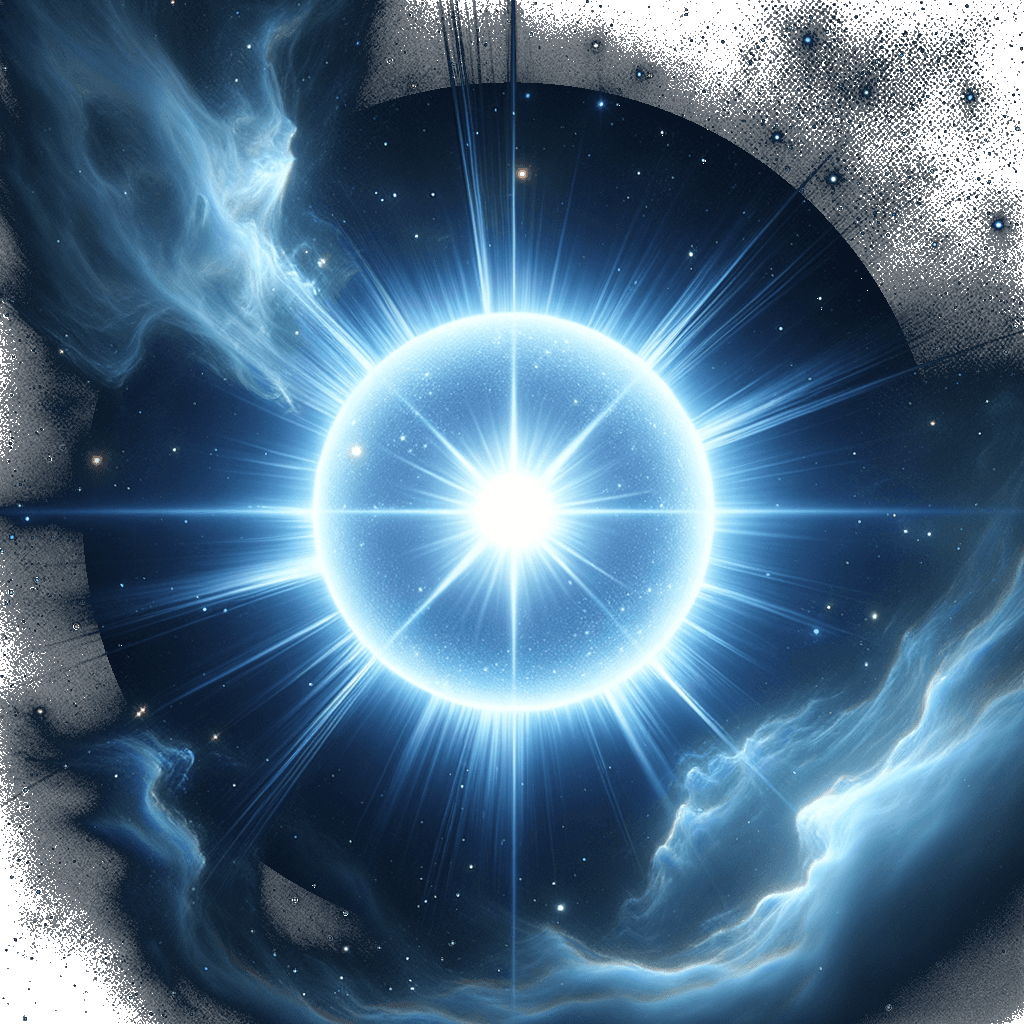
Sirius
L'étoile la plus brillante du ciel nocturne. Sirius est une étoile bleu-blanc éblouissante à seulement 8,6 années-lumière. Les Égyptiens ont construit leur calendrier autour d'elle.
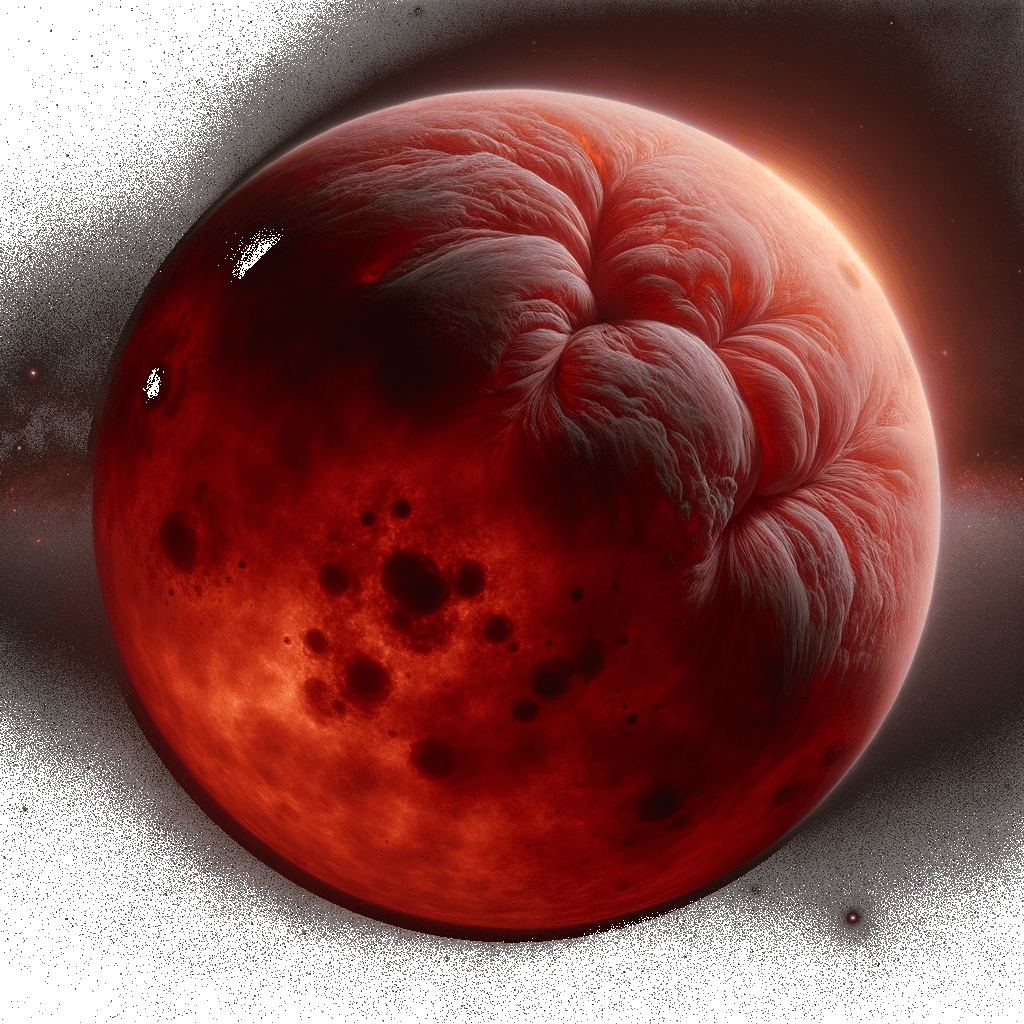
Betelgeuse
Une supergéante rouge qui pourrait exploser en supernova à tout moment. Bételgeuse est si massive que si elle remplaçait notre Soleil, elle engloutirait Mars.
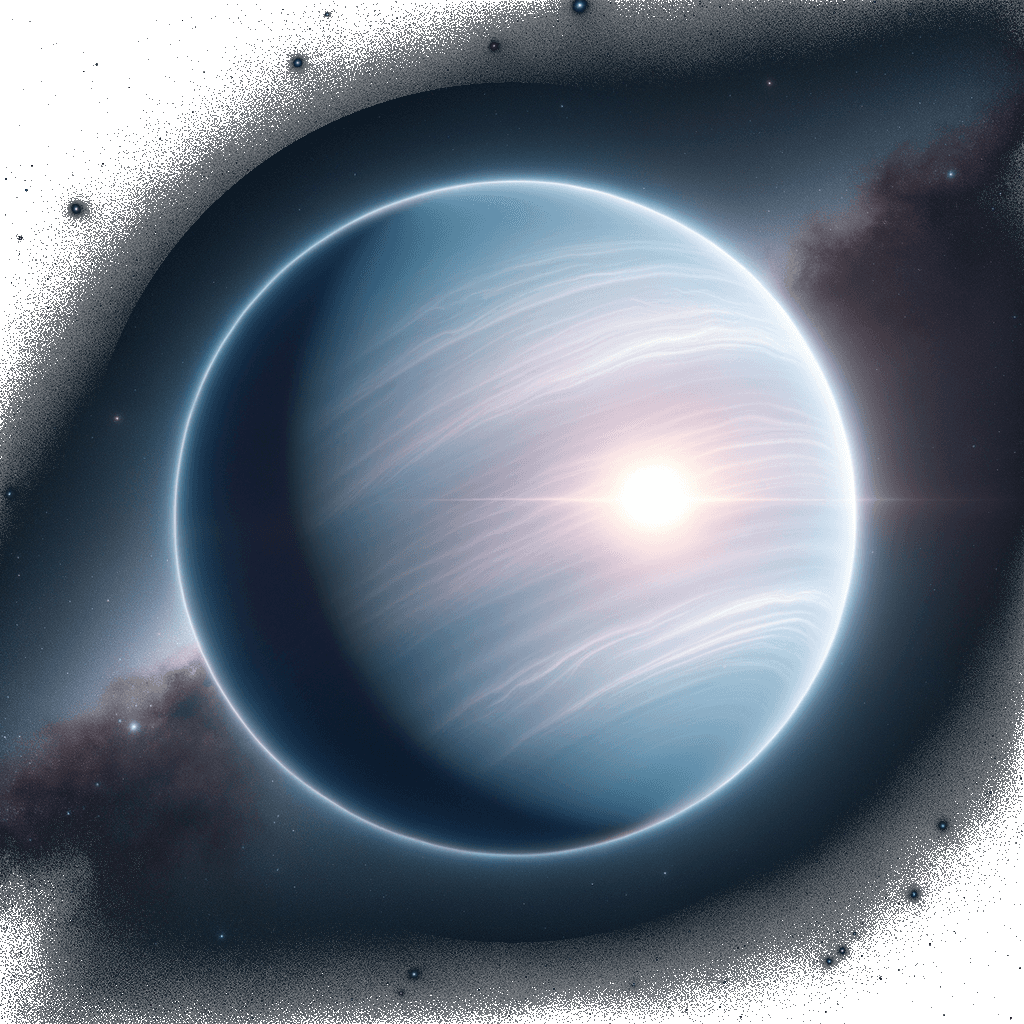
Vega
L'une des étoiles les plus brillantes visibles depuis la Terre. Véga a été la première étoile jamais photographiée (en 1850) et la première dont le spectre a été enregistré.
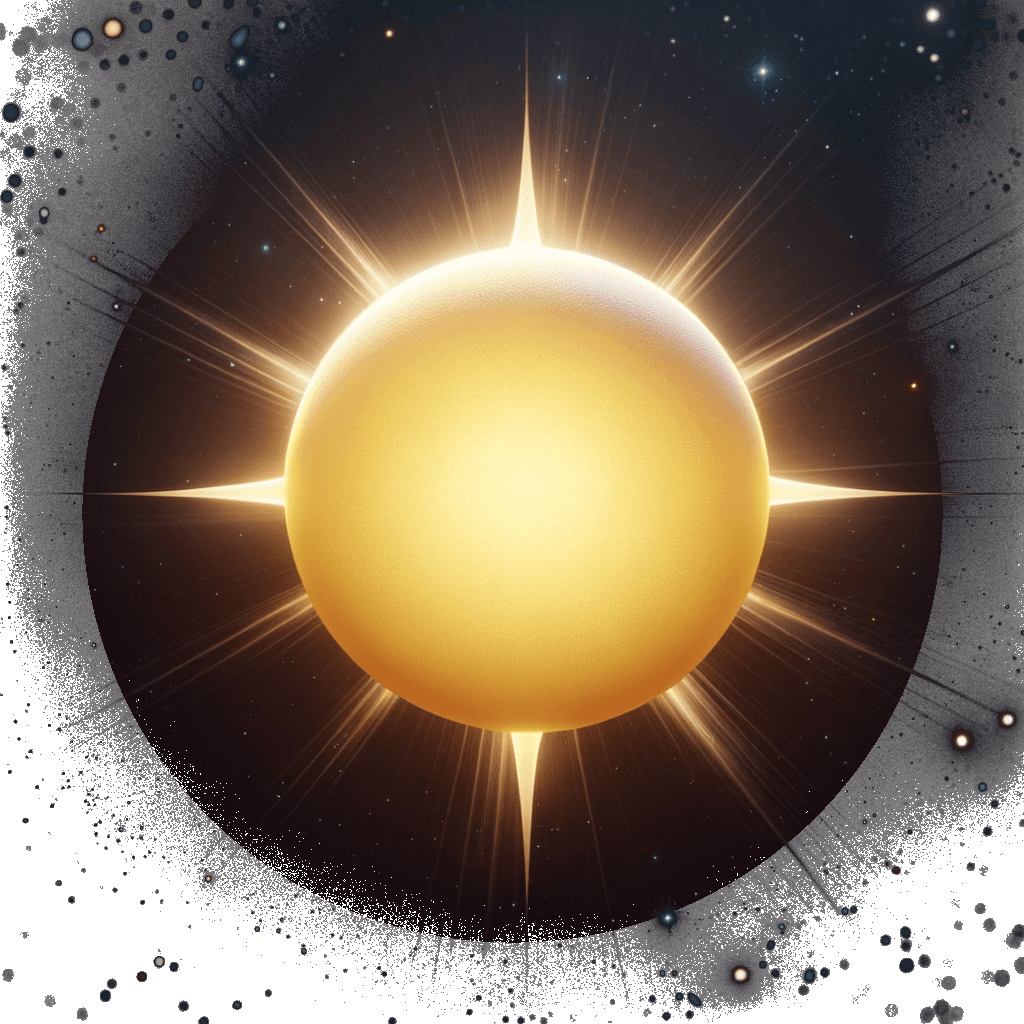
Polaris
L'étoile Polaire. Pendant des siècles, les marins et explorateurs ont utilisé Polaris pour trouver leur chemin. Elle se trouve presque exactement au-dessus du pôle nord.
Questions fréquentes
Quel est le type d'étoile le plus courant ?
Les naines rouges, de loin. Elles représentent environ 73 % de toutes les étoiles de la Voie lactée. Elles sont petites, froides et brûlent si lentement qu'aucune n'est jamais morte de vieillesse en 13,8 milliards d'années d'existence de l'univers.
De quel type est notre Soleil ?
Le Soleil est une étoile de type G2V de la séquence principale, parfois appelée naine jaune. Sa température de surface est d'environ 5 778 Kelvin et il a environ 4,6 milliards d'années, à peu près à mi-chemin de sa durée de vie prévue de 10 milliards d'années.
Quel est le plus gros type d'étoile ?
Les supergéantes et hypergéantes sont les plus grandes étoiles connues. UY Scuti a un rayon environ 1 700 fois celui du Soleil. Placée à la place de notre Soleil, sa surface dépasserait l'orbite de Jupiter.
Comment meurent les étoiles ?
Ça dépend de leur masse. Les petites étoiles comme les naines rouges s'éteignent très lentement sur des milliers de milliards d'années. Les étoiles moyennes comme notre Soleil deviennent des géantes rouges, puis perdent leurs couches et laissent des naines blanches. Les étoiles massives explosent en supernovae, laissant des étoiles à neutrons ou des trous noirs.
Peut-on voir différents types d'étoiles à l'œil nu ?
Oui. Tu peux voir les différences de couleur par nuit claire. Bételgeuse dans Orion est visiblement rouge-orangé. Rigel, aussi dans Orion, apparaît bleu-blanc. Sirius est d'un blanc éclatant. Les couleurs correspondent à la température de surface et au type spectral.
Tu te poses des questions ?
Tout ce qu'il faut savoir sur l'achat d'une planète
Alors voilà le truc : c'est de la propriété symbolique. Personne ne peut légalement posséder une planète (il y a d'ailleurs un traité de l'ONU là-dessus). Mais ce que tu reçois, c'est un super certificat personnalisé avec de vraies données astronomiques et un numéro unique. Pense à ça comme le cadeau le plus original que tu puisses faire.
Le vrai nom de la planète, le nom personnalisé du propriétaire, un message perso si tu veux, un numéro d'enregistrement unique et la date. C'est assez beau pour être encadré et accroché au mur.
Il arrive dans ta boîte mail en PDF quelques minutes après l'achat. Tu peux l'imprimer chez toi, aller dans un magasin photo pour une version plus classe, ou juste le partager en ligne. Facile.
Les gens deviennent fous. On a vendu plus de 3 247 planètes et on reçoit régulièrement des messages de gens qui disent que c'est le meilleur cadeau qu'ils aient jamais reçu. Ça marche pour les anniversaires, la Saint-Valentin, Noël, les mariages, les naissances... à peu près toutes les occasions.
À 100%. Chaque planète de notre catalogue est un vrai corps céleste découvert par la NASA, l'ESA ou d'autres agences spatiales. On n'invente rien. Les données sur ton certificat viennent de découvertes scientifiques confirmées.
Pas de souci. Tu as 30 jours pour changer d'avis. Envoie juste un mail à ethan@buymyplanet.com et on s'en occupe.
Oui ! On vend des planètes et des étoiles. Les étoiles, c'est classique et toujours aussi magique. Les planètes, ce sont des mondes entiers avec leurs propres caractéristiques et histoires. Les deux viennent avec un certificat personnalisé et de vraies données astronomiques. Choisis ce qui te plaît, ou prends les deux.
Oui ! Chaque certificat a son propre numéro d'enregistrement unique. C'est comme nommer une étoile. La propriété est personnelle, et ton certificat est unique en son genre.
Pour l'instant on fait des certificats PDF numériques instantanés. Tu peux les imprimer chez toi ou dans n'importe quel magasin photo. On travaille sur des versions encadrées qui seront livrées chez toi. Ça arrive bientôt.
Complètement. La propriété symbolique de planètes, c'est un cadeau de fantaisie, un peu comme les services qui nomment des étoiles. Le Traité de l'Espace de 1967 dit qu'aucun pays ne peut revendiquer une planète, mais les certificats personnalisés sont tout à fait légaux. C'est un cadeau apprécié dans le monde entier.
Nomme une étoile dans le ciel
Choisis une vraie étoile à partir de données NASA, donne-lui le nom que tu veux et reçois un certificat personnalisé. Livraison numérique instantanée. 24,99 $.
Digital product. Symbolic ownership certificate.