The 12 Zodiac Constellations: Stars Behind the Signs
The zodiac constellations are the 12 star patterns that sit along the ecliptic, the imaginary line the Sun traces across the sky over the course of a year. Ancient Babylonians mapped these roughly 3,000 years ago. The Greeks refined them. And today, billions of people check their horoscope based on these same star groups, even though most couldn't point to a single one in the actual sky. Here's everything you need to know about each zodiac constellation, from the real astronomy to the mythology, the brightest stars, and how to actually find them above your head.
What Are the Zodiac Constellations, Exactly?
The word 'zodiac' comes from the Greek 'zoidiakos kyklos,' meaning 'circle of animals.' These 12 constellations form a belt around the sky that follows the ecliptic. The ecliptic is the plane of Earth's orbit around the Sun, so from our perspective, the Sun, Moon, and planets all appear to move through these constellations. The Babylonians divided this belt into 12 equal 30-degree segments around 500 BCE. Each segment got assigned to the constellation that was roughly in that area at the time. The actual constellations vary wildly in size though. Virgo covers 1,294 square degrees of sky. Cancer covers just 506. The neat 30-degree divisions of astrology don't match the messy reality of the actual star patterns.
Why Exactly 12 Zodiac Constellations?
Twelve was a practical choice, not a mystical one. The Babylonians used a base-60 number system (that's why we have 60 minutes in an hour). Twelve divides neatly into 360 degrees, and it roughly matches the number of lunar cycles in a year, about 12.4. So each zodiac constellation got linked to one month. There's actually a 13th constellation along the ecliptic, Ophiuchus the serpent-bearer, but the Babylonians deliberately left it out to keep the math clean. The Sun passes through Ophiuchus for about 18 days each year, from late November to mid-December, spending more time there than in Scorpius. But 13 doesn't divide into 360 as nicely.
Spring Zodiac Constellations: Aries, Taurus, Gemini
Aries (the ram) is small and honestly kind of hard to spot. Its brightest star, Hamal, shines at magnitude 2.0. Look for it between the brighter constellations of Taurus and Pisces in the autumn and winter sky. In mythology, Aries represents the golden ram whose fleece Jason and the Argonauts went after. Taurus (the bull) is much easier to find. The Hyades star cluster forms the bull's V-shaped face, and the bright orange star Aldebaran marks its eye. Aldebaran is a red giant about 65 light-years away and 44 times the diameter of our Sun. The Pleiades (Seven Sisters) sit on the bull's shoulder, and they're one of the most photographed objects in the night sky. Gemini (the twins) is marked by two bright stars sitting close together: Castor and Pollux. Pollux is the brighter one at magnitude 1.14. It's also the closest giant star to our Sun at just 34 light-years away. In 2006, astronomers confirmed a planet orbiting Pollux, roughly twice the mass of Jupiter.
Summer Zodiac Constellations: Cancer, Leo, Virgo
Cancer (the crab) is the dimmest zodiac constellation. Its brightest star, Tarf, is only magnitude 3.5, which means you need reasonably dark skies to see it. But Cancer contains something special: the Beehive Cluster (M44), a gorgeous open star cluster visible to the naked eye as a fuzzy patch. Through binoculars, it resolves into about 1,000 stars. Leo (the lion) is one of the few constellations that actually looks like what it's supposed to be. Regulus, its brightest star, marks the lion's heart and shines at magnitude 1.4. The curve of stars forming the lion's head is called the Sickle. Leo is home to several bright galaxies, including the Leo Triplet, a group of three spirals that amateur astronomers love to photograph. Virgo (the maiden) is the second-largest constellation in the entire sky. Spica, its brightest star, is a blue giant about 250 light-years away. But Virgo's real treasure is the Virgo Cluster, a massive collection of over 2,000 galaxies about 54 million light-years from Earth.
Autumn Zodiac Constellations: Libra, Scorpius, Sagittarius
Libra (the scales) is the only zodiac constellation that represents an object rather than a living thing. The Romans created it by borrowing the claws of neighboring Scorpius. Its two brightest stars still carry Arabic names meaning 'the southern claw' (Zubenelgenubi) and 'the northern claw' (Zubeneschamali). Some observers claim Zubeneschamali has a slight green tint, which would make it one of the very few green stars visible to the naked eye. Scorpius (the scorpion) is spectacular. Antares, its red supergiant heart star, is so huge that if you placed it where our Sun is, its surface would extend past the orbit of Mars. The constellation's curved tail with its stinger is one of the most recognizable shapes in the sky. The area around Scorpius and Sagittarius is rich with nebulae and star clusters because you're looking toward the center of the Milky Way. Sagittarius (the archer) points its arrow directly at Antares in Scorpius. The asterism called the Teapot makes it easy to identify. The center of our galaxy sits right behind Sagittarius, hidden by thick dust clouds.
Winter Zodiac Constellations: Capricornus, Aquarius, Pisces
Capricornus (the sea-goat) is one of the oldest recognized constellations, dating back to the mid-Bronze Age. It's faint but distinctive, forming a rough triangle or arrowhead shape. Its brightest star, Deneb Algedi, is a binary system about 39 light-years away. The constellation represents a creature that's half goat, half fish, which sounds bizarre until you learn it might reference the Sumerian god Enki. Aquarius (the water-bearer) is a large constellation but not particularly bright. Its claim to fame? It contains the Helix Nebula, the closest planetary nebula to Earth at about 650 light-years. Through a large telescope, it looks like a giant eye staring back at you. Aquarius also contains the Sombrero Galaxy's neighbor, the Saturn Nebula, named for its resemblance to the ringed planet. Pisces (the fish) wraps around the corner of Pegasus's Great Square. It's another faint one, tough to see from cities. The Vernal Equinox point currently sits in Pisces, meaning the Sun is in Pisces on the first day of spring. Two thousand years ago it was in Aries. That's precession for you.
Ophiuchus: The Hidden 13th Zodiac Constellation
Here's a fact that makes astrologers uncomfortable: the Sun spends more time in Ophiuchus (November 29 to December 18) than in Scorpius (November 23 to November 29). That's 18 days versus 7 days. Ophiuchus represents Asclepius, the Greek god of medicine, shown holding a serpent. His staff with the snake wrapped around it became the symbol of medicine (the Rod of Asclepius). The constellation sits between Scorpius and Sagittarius and contains Barnard's Star, the fourth-closest star system to Earth at just 5.96 light-years. Barnard's Star moves across the sky faster than any other star, shifting by about 10.3 arcseconds per year. In about 8,000 years, it'll be the closest star to our Sun. The IAU recognizes Ophiuchus as a constellation that the ecliptic passes through, but astrology has kept its 12-sign system unchanged for millennia.
How to Find Zodiac Constellations in the Night Sky
The zodiac constellations are visible at different times of year. Here's the key rule: you can see a zodiac constellation best when the Sun is on the opposite side of the sky from it. So Leo, where the Sun sits in August, is best seen in February and March evenings. Scorpius, a summer constellation for the Sun, dominates winter evening skies in the Southern Hemisphere and summer evenings in the north. Start with the easiest ones. Scorpius and Leo are unmistakable. Taurus is easy thanks to the Pleiades and Aldebaran. Gemini's twin stars Castor and Pollux are obvious once you know where to look. Sagittarius's Teapot asterism is a great landmark. The hardest? Cancer and Libra, both faint and squeezed between brighter neighbors. Use a stargazing app to get oriented, then try to trace the constellation lines with your eyes. The ecliptic runs roughly through the same band of sky all year, tilting north in summer and south in winter (from the Northern Hemisphere).
Zodiac Constellations vs. Zodiac Signs: The Real Difference
Most people confuse these. Zodiac constellations are real groups of stars in the sky with defined boundaries set by the International Astronomical Union. Zodiac signs are 12 equal 30-degree segments of the ecliptic used in astrology. They lined up roughly 2,000 years ago, but they've drifted apart since then because of precession, Earth's slow wobble that shifts the orientation of its axis over a 26,000-year cycle. If you're born in late March, your sign is Aries. But the Sun is actually in Pisces at that time. The shift is about one full sign, roughly 28 degrees. Astronomers call this the 'age of Aquarius' because the vernal equinox point is slowly moving from Pisces into Aquarius. This doesn't change anything about the constellations themselves. The stars don't care about astrology. They're massive balls of plasma doing their thing millions of light-years away. But it does mean that 'your constellation' in astronomical terms isn't the one on your birthday card.
The Brightest Stars in Zodiac Constellations
Each zodiac constellation has at least one notable star, but some are real standouts. Antares in Scorpius is a red supergiant 700 times the diameter of our Sun with a luminosity 10,000 times greater. Aldebaran in Taurus is an orange giant 65 light-years away that ancient Persians called one of the four Royal Stars. Regulus in Leo spins so fast (once every 16 hours) that it bulges noticeably at its equator. Spica in Virgo is actually two stars orbiting so close they distort each other into egg shapes. Pollux in Gemini was the first giant star confirmed to have an exoplanet. And Fomalhaut, while technically in Piscis Austrinus (the southern fish), sits right on the border with Aquarius and has a spectacular debris disk that Hubble photographed. The faintest zodiac constellation by far is Cancer, whose brightest star Tarf barely reaches magnitude 3.5. You really need dark skies to trace out the crab.
Name a Star in Your Zodiac Constellation
Every star on BuyMyPlanet is a real star with real astronomical coordinates. You can pick one specifically from your zodiac constellation. The certificate includes the star's exact position, its constellation, its magnitude, and the name you choose. Standard packages start at $24.99, with a premium option at $29.99 that adds a personalized web page and QR code to look up your star. The coordinates come from NASA databases, so you can point a telescope or stargazing app at your star and actually see it. It's a pretty cool way to connect someone's birthday with a real piece of the night sky. And since delivery is instant and digital, it works even if you forgot their birthday is tomorrow.
Zodiac stars to explore
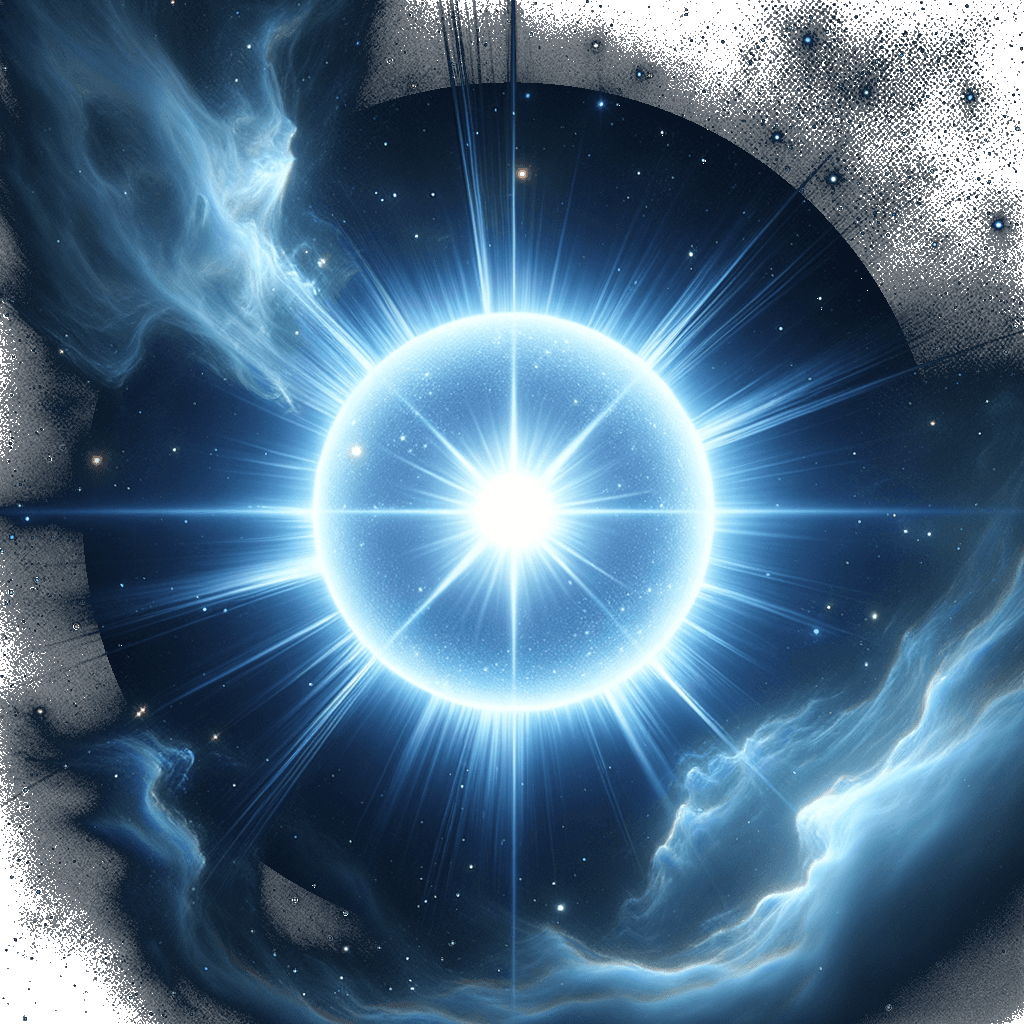
Sirius
The brightest star in the night sky. Sirius is a dazzling blue-white star just 8.6 light-years away. Ancient Egyptians built their calendar around it.
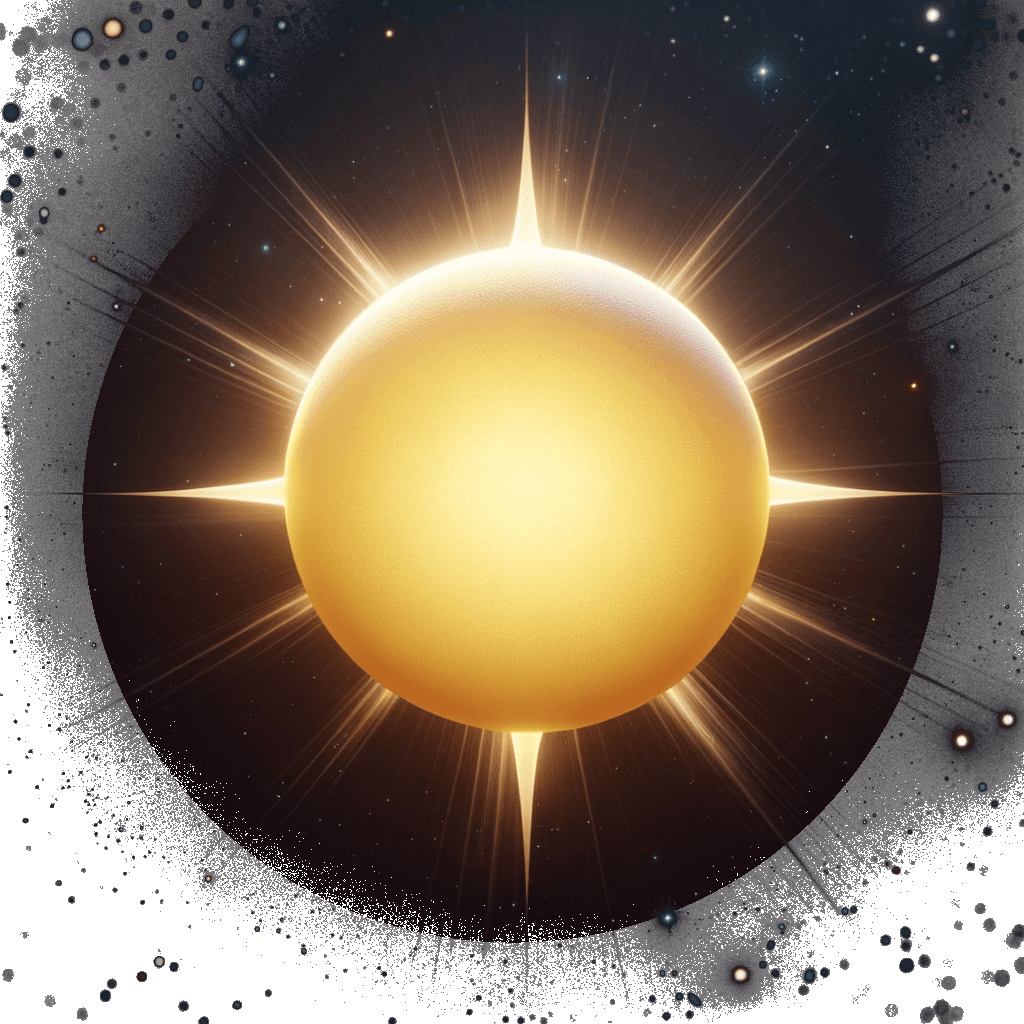
Polaris
The North Star. For centuries, sailors and explorers used Polaris to find their way. It sits almost perfectly above Earth's north pole.
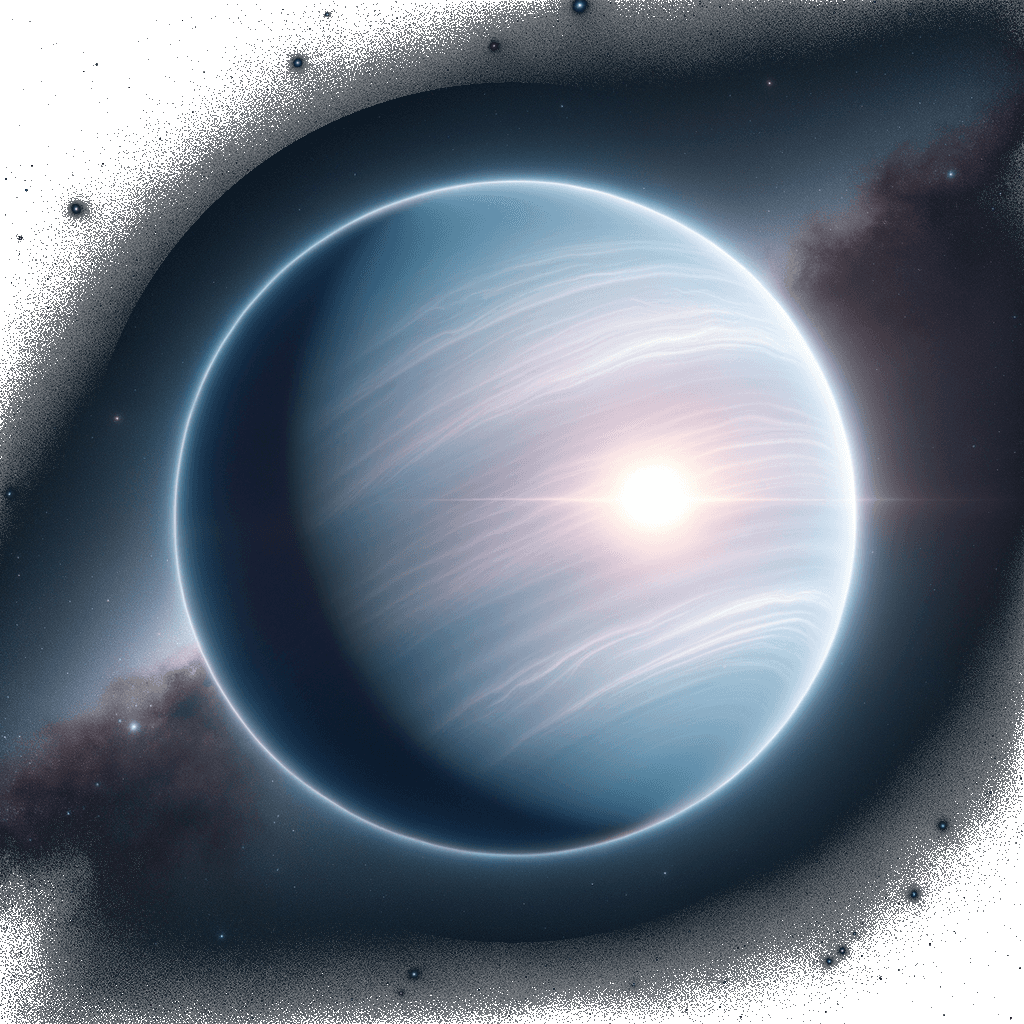
Vega
One of the brightest stars you can see from Earth. Vega was the first star ever photographed (back in 1850) and the first to have its spectrum recorded.
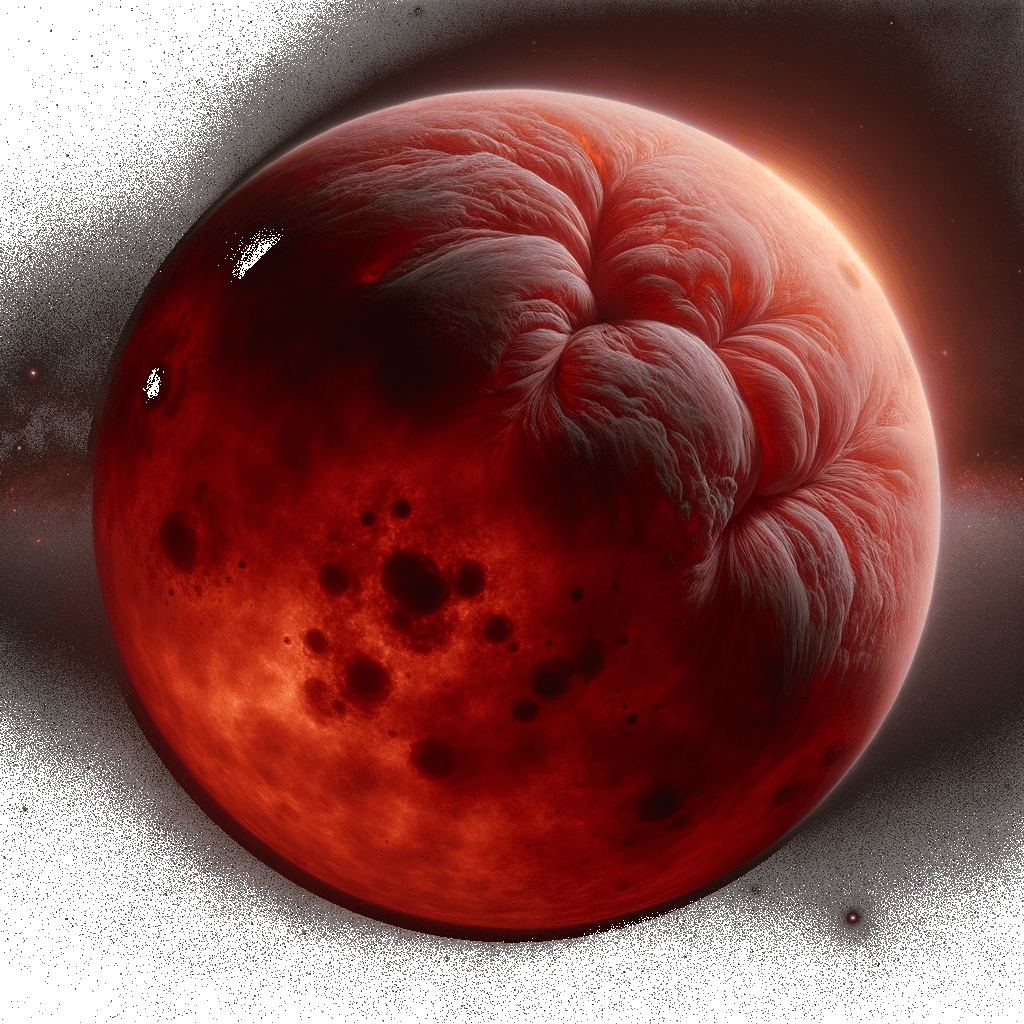
Betelgeuse
A red supergiant that could explode as a supernova any day now. Betelgeuse is so massive that if it replaced our Sun, it would swallow Mars.
Related articles & guides
Want to learn more about stars? Check out our constellation names guide. Explore our planets catalog. You can also buy a star as a gift. See the brightest stars in the sky. For any questions, visit our FAQ.
Own a Star in Your Zodiac Constellation
Pick a real star from your zodiac constellation. Name it. Get the coordinates. Point your telescope at it. Starting at $24.99 with instant digital delivery.
Name a starFrequently asked questions
How many zodiac constellations are there?
There are 12 traditional zodiac constellations along the ecliptic: Aries, Taurus, Gemini, Cancer, Leo, Virgo, Libra, Scorpius, Sagittarius, Capricornus, Aquarius, and Pisces. A 13th constellation, Ophiuchus, also sits on the ecliptic but is not included in the traditional zodiac.
What is the largest zodiac constellation?
Virgo is the largest zodiac constellation, covering 1,294 square degrees of sky. It's also the second-largest constellation overall, after Hydra.
Can you see all 12 zodiac constellations in one night?
No. At any given time, roughly half the zodiac is above the horizon and half is below. The constellations near the Sun are lost in the daytime glare. You can see the most zodiac constellations during the transition from winter to spring or summer to autumn.
Why doesn't astrology include Ophiuchus?
The Babylonians deliberately excluded Ophiuchus around 500 BCE to keep the zodiac at 12 signs, matching their 12-month calendar. The tradition stuck, even though the Sun spends 18 days passing through Ophiuchus each year.
What's the difference between a zodiac constellation and a zodiac sign?
A zodiac constellation is a real group of stars with boundaries defined by the International Astronomical Union. A zodiac sign is a 30-degree segment of the ecliptic used in astrology. Due to precession, they no longer align. Your astrological sign is about one constellation off from where the Sun actually was when you were born.
Got Questions?
Here's everything you need to know about buying a planet
Here's the deal: this is symbolic ownership. Nobody can legally own a planet (there's actually a UN treaty about it). But what you DO get is a gorgeous personalized certificate with real astronomical data and a unique registration number. Think of it as the most original gift you can possibly give someone.
The planet's real name, your personalized owner name, a custom message if you want one, a unique registration number, and the date. It's designed to look premium enough to frame and hang on a wall.
It shows up in your email as a PDF within a few minutes of buying. You can print it at home, take it to a print shop for a nicer version, or just share it digitally. Simple.
People go crazy for it. We've sold over 3,247 planets so far and we get messages all the time from people saying it's the best gift they've ever received. It works for birthdays, Valentine's Day, Christmas, weddings, new babies... pretty much any occasion.
100%. Every planet in our catalog is a real celestial body discovered by NASA, ESA, or other space agencies. We don't make anything up. The data on your certificate comes from confirmed scientific discoveries.
No problem. You've got 30 days to change your mind. Just email us at ethan@buymyplanet.com and we'll sort it out.
Yes! We sell both planets and stars. Stars are beautiful and classic. Planets are full worlds with their own characteristics, categories, and stories. Both come with a personalized certificate and real astronomical data. Pick what fits best, or get both.
Yep! Each certificate gets its own unique registration number. It's like naming a star. The ownership is personal to you, and your certificate is one of a kind.
Right now we do instant digital PDF certificates. You can print them at home or at any print shop. We're working on framed physical versions that'll ship to your door. Stay tuned.
Totally. Symbolic planet ownership is a novelty gift, kind of like star naming services. The 1967 Outer Space Treaty says no country can claim a planet, but personalized certificates are perfectly fine. It's a beloved gift worldwide.
BuyMyPlanet offers symbolic star naming certificates. Names are not recognized by the IAU. Coordinates are sourced from publicly available NASA databases.