L'étoile la plus proche de la Terre : Proxima Centauri à 4,24 années-lumière
L'étoile la plus proche de la Terre (après le Soleil, évidemment) s'appelle Proxima Centauri. Elle se trouve à 4,24 années-lumière dans la constellation du Centaure. Ça paraît presque à côté quand on parle d'astronomie. Sauf que 4,24 années-lumière, ça fait quand même environ 40 000 milliards de kilomètres. En voiture à 130 km/h sur l'autoroute, il te faudrait à peu près 35 millions d'années pour y arriver. Le voisinage cosmique, c'est pas la porte d'à côté.
Articles et guides associés
Découvre les étoiles les plus brillantes du ciel. Apprends comment les étoiles sont nommées. Explore notre catalogue de planètes. Tu peux aussi acheter une étoile comme cadeau. Découvre les types d'étoiles. Pour toutes tes questions, direction la FAQ.
Quelle est l'étoile la plus proche de la Terre ?
Si on est strict, le Soleil est l'étoile la plus proche à environ 150 millions de kilomètres. Mais quand on pose la question, on pense aux étoiles en dehors du système solaire. La réponse : Proxima Centauri, découverte en 1915 par l'astronome sud-africain Robert Innes. Elle fait partie d'un système triple appelé Alpha Centauri. Les deux autres étoiles du système, Alpha Centauri A et Alpha Centauri B, forment un couple stellaire à 4,37 années-lumière de nous. Proxima est un poil plus proche parce qu'elle orbite autour de ce couple à une distance gigantesque.
Proxima Centauri : une naine rouge minuscule
Proxima Centauri est une naine rouge, le type d'étoile le plus courant dans la Voie lactée. Elle fait environ 12 % de la masse du Soleil et à peu près 14 % de son diamètre. Compare un bille et un ballon de basket, tu auras une idée de l'écart. Le truc cool avec les naines rouges, c'est qu'elles brûlent leur hydrogène hyper lentement. Le Soleil va durer environ 10 milliards d'années au total. Proxima Centauri pourrait briller pendant 4 000 milliards d'années. C'est presque 300 fois l'âge actuel de l'univers. Le revers de la médaille ? Les naines rouges sont très faibles. Proxima est environ 500 fois moins lumineuse que le Soleil. Impossible de la voir à l'œil nu même si c'est notre voisine la plus proche.
Le système Alpha Centauri décrypté
Alpha Centauri n'est pas une seule étoile. C'est un système triple, et chaque étoile a ses particularités. Alpha Centauri A est la star du groupe. C'est une étoile jaune similaire au Soleil mais un peu plus grosse et plus brillante. Alpha Centauri B est une naine orange, plus petite et plus froide que le Soleil. Ces deux-là tournent l'une autour de l'autre en 79,9 ans à des distances variant entre 11 et 36 unités astronomiques. Et puis il y a Proxima Centauri, la petite dernière du trio. Proxima orbite autour du couple central à environ 13 000 unités astronomiques. Un tour complet prend grosso modo 547 000 ans. Certains astronomes se demandent encore si Proxima est vraiment liée gravitationnellement au duo ou si elle ne fait que passer. Les données récentes du télescope Gaia suggèrent qu'elle fait bien partie de la famille.
Proxima Centauri a-t-elle des planètes ?
Oui, et c'est franchement fascinant. Les astronomes ont confirmé au moins deux planètes en orbite autour de Proxima Centauri. La plus excitante, c'est Proxima Centauri b, découverte en 2016. C'est une planète rocheuse d'environ 1,27 fois la masse de la Terre, et elle se trouve pile dans la zone habitable. Ça veut dire que de l'eau liquide pourrait exister à sa surface. Proxima b orbite très près de son étoile et boucle une année en seulement 11,2 jours terrestres. Mais comme Proxima Centauri est tellement faible et froide, cette orbite serrée place la planète dans la bonne fourchette de température. La deuxième planète confirmée, Proxima d, a été annoncée en 2022. Elle est bien plus petite, environ un quart de la masse terrestre. Il existe aussi une candidate, Proxima c, mais son existence reste débattue. La grande question : y a-t-il de la vie sur Proxima b ? Personne ne sait encore. Le gros problème, ce sont les éruptions stellaires. Les naines rouges comme Proxima envoient régulièrement des bouffées intenses de rayonnement ultraviolet et de rayons X qui pourraient arracher l'atmosphère d'une planète.
Les 10 étoiles les plus proches du Soleil
Proxima Centauri tient la première place, mais plusieurs autres systèmes stellaires se trouvent relativement près à l'échelle cosmique. Alpha Centauri A et B arrivent juste après à 4,37 années-lumière. L'étoile de Barnard, une naine rouge dans la constellation du Serpentaire, se situe à 5,96 années-lumière. C'est l'étoile la plus proche visible depuis l'hémisphère Nord (avec un télescope). Luhman 16, une paire de naines brunes, est à 6,5 années-lumière. WISE 0855-0714, une autre naine brune, se trouve à 7,2 années-lumière. Wolf 359 dans le Lion est à 7,86 années-lumière. Lalande 21185 est à 8,31 années-lumière. Sirius, l'étoile la plus brillante du ciel nocturne, est à 8,6 années-lumière de la Terre. UV Ceti à 8,73 et Ross 154 à 9,69 années-lumière complètent le top 10. La plupart de ces étoiles sont des naines rouges invisibles à l'œil nu. Seuls Sirius et Alpha Centauri A et B se voient sans instrument.
Comment mesure-t-on la distance des étoiles ?
Mesurer la distance d'une étoile, c'est vraiment un défi. Pour les étoiles proches comme Proxima Centauri, les astronomes utilisent la parallaxe stellaire. Quand la Terre tourne autour du Soleil, les étoiles proches semblent se décaler légèrement par rapport aux étoiles lointaines en arrière-plan. En mesurant ce minuscule décalage depuis deux positions opposées de l'orbite terrestre (à six mois d'intervalle), on peut calculer la distance avec de la trigonométrie basique. Le télescope spatial Gaia de l'Agence spatiale européenne a tout changé dans ce domaine. Depuis 2013, Gaia a mesuré la parallaxe précise de près de 2 milliards d'étoiles. Pour les étoiles plus lointaines où la parallaxe devient trop petite, les astronomes utilisent d'autres techniques comme les chandelles standards (les étoiles variables céphéides, par exemple). Chaque méthode s'appuie sur la précédente, formant ce qu'on appelle l'échelle des distances cosmiques.
Peut-on voir Proxima Centauri depuis la Terre ?
Pas à l'œil nu, non. Malgré sa proximité, Proxima Centauri a une magnitude apparente de 11,13, ce qui est bien trop faible pour être visible sans aide. Il te faut un télescope d'au moins 8 cm d'ouverture pour la repérer. Elle se trouve dans la constellation du Centaure, visible surtout depuis l'hémisphère Sud ou les basses latitudes de l'hémisphère Nord. Alpha Centauri A et B, par contre, c'est une autre histoire. Ensemble, elles forment la troisième étoile la plus brillante du ciel nocturne (après Sirius et Canopus). Depuis l'Australie ou l'Amérique du Sud, Alpha Centauri ressemble à un seul point lumineux éclatant. Un petit télescope suffit pour la séparer en deux étoiles distinctes. Si tu aimes observer le ciel, Alpha Centauri est un incontournable depuis n'importe quel endroit au sud du 30e parallèle nord.
Pourra-t-on un jour voyager vers l'étoile la plus proche ?
Avec la technologie actuelle, atteindre Proxima Centauri prendrait un temps fou. Voyager 1, l'objet le plus rapide jamais lancé par l'humanité, file à environ 61 000 km/h. À cette vitesse, il faudrait environ 73 000 ans pour arriver. Pas exactement un week-end prolongé. Mais il y a des projets sur la table. Breakthrough Starshot, financé par le milliardaire Yuri Milner, propose d'envoyer de minuscules vaisseaux à voile lumineuse accélérés par des lasers au sol à 20 % de la vitesse de la lumière. À ce rythme, le voyage prendrait environ 20 ans, plus 4 ans pour qu'un signal revienne sur Terre. C'est faisable dans une vie humaine. Les sondes seraient minuscules, de la taille d'un timbre-poste, équipées de caméras et capteurs miniatures. Le projet fait face à d'énormes défis techniques, mais il montre que le voyage interstellaire n'est peut-être pas de la pure science-fiction.
Pourquoi nos étoiles voisines comptent pour la science
Étudier les étoiles proches, ce n'est pas juste de la culture générale astronomique. Ces étoiles servent de terrain d'essai principal pour comprendre comment les étoiles fonctionnent, comment les planètes se forment, et si la vie peut exister ailleurs. Proxima Centauri b est l'une des exoplanètes les plus étudiées justement parce que son étoile hôte est si proche. De futurs télescopes comme l'Extremely Large Telescope en construction au Chili pourraient analyser l'atmosphère de Proxima b à la recherche de biosignatures. Le système Alpha Centauri aide aussi les astronomes à calibrer leurs instruments et tester des théories sur l'évolution stellaire. Parce que ces étoiles sont si proches, on peut les étudier avec bien plus de détails que des objets lointains. Chaque système stellaire voisin est un laboratoire naturel.
Donne un nom à ta propre étoile
Proxima Centauri a déjà son nom. Mais il y a des milliards d'autres étoiles cataloguées qui n'en ont pas. Sur BuyMyPlanet, tu peux choisir une vraie étoile avec des coordonnées vérifiées provenant des bases de données de la NASA et lui donner le nom que tu veux. Les certificats commencent à 24,99 $ avec livraison numérique instantanée. L'option premium à 29,99 $ inclut une page web dédiée et un QR code. C'est un geste symbolique, pas une désignation scientifique officielle. Mais les données astronomiques sont réelles, les coordonnées sont réelles, et le certificat rend vraiment bien accroché au mur.
Planètes proches à explorer
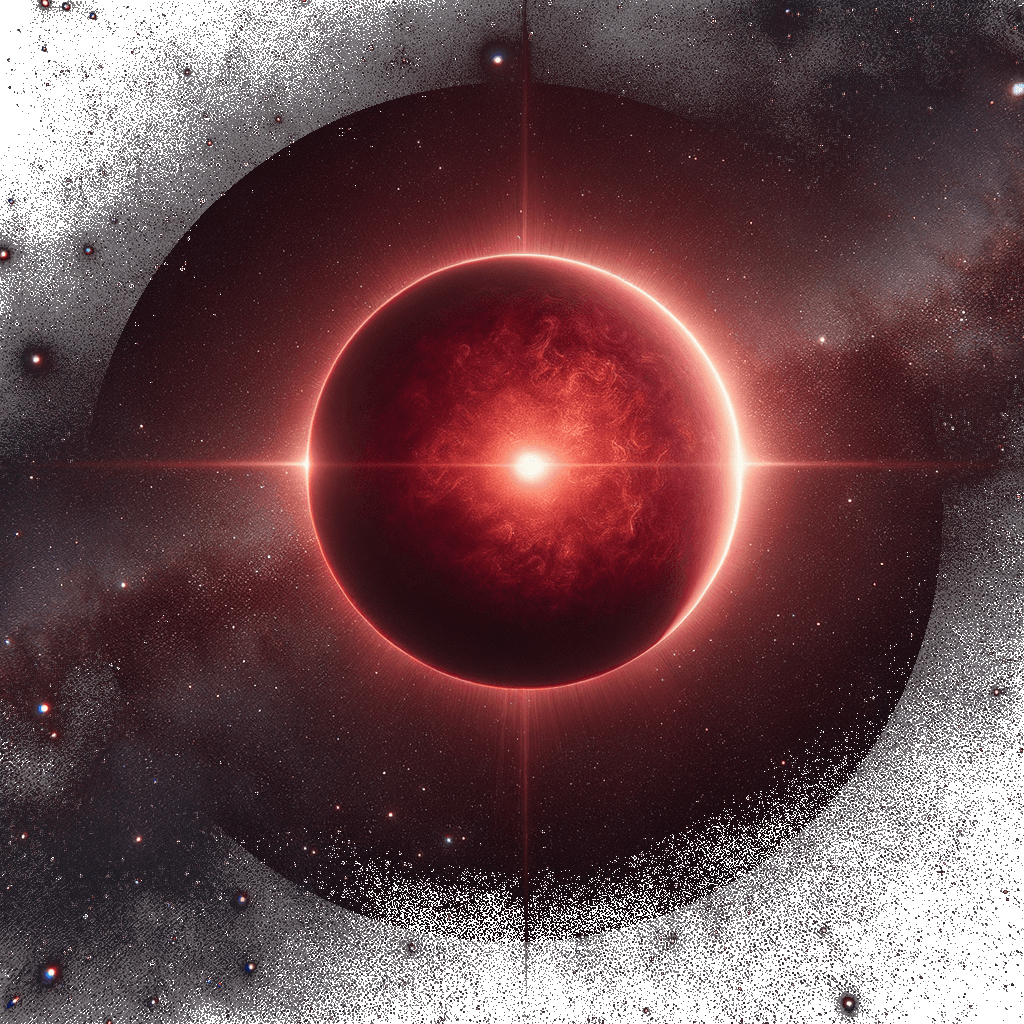
Proxima Centauri
L'étoile la plus proche de notre Soleil, à seulement 4,24 années-lumière. Proxima Centauri est une petite naine rouge. Si on voyage un jour vers une autre étoile, ce sera probablement celle-ci.
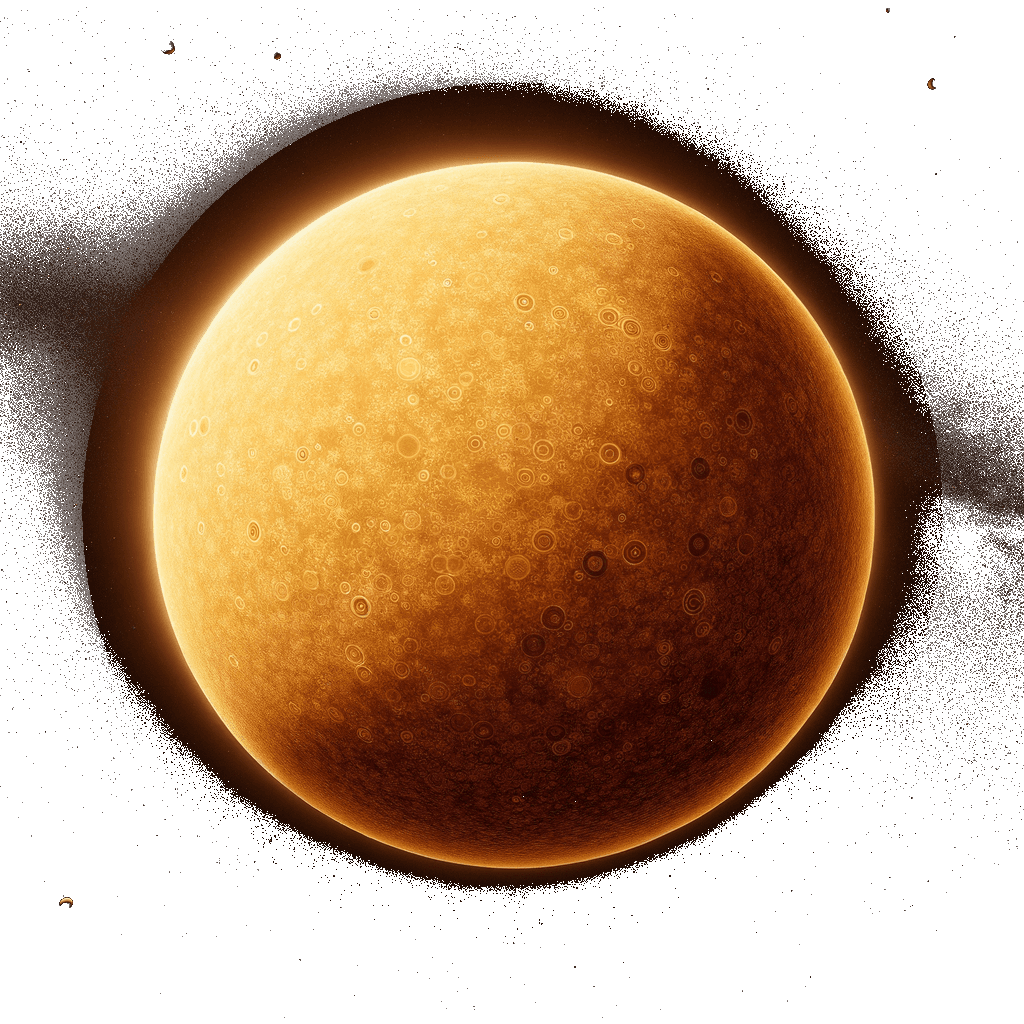
Alpha Centauri A
Partie du système stellaire le plus proche de la Terre. Alpha Centauri A est remarquablement similaire à notre Soleil. Les scientifiques pensent que des planètes autour pourraient potentiellement supporter la vie.

Mars
La planète rouge — un monde désertique froid et poussiéreux qui a peut-être abrité d'anciennes rivières et lacs.
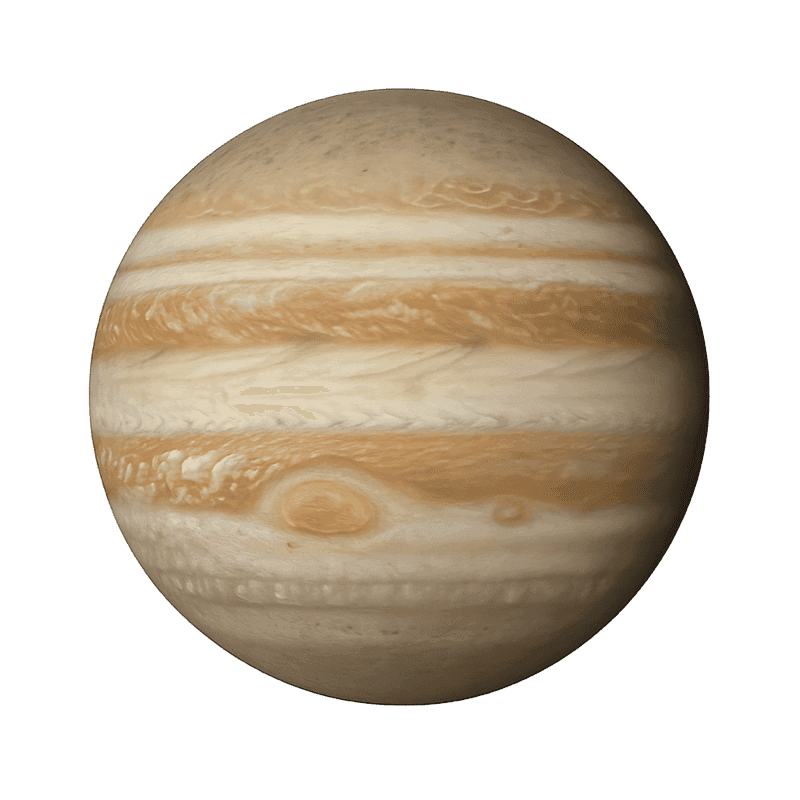
Jupiter
Le roi des planètes — un colossal géant gazeux dont la Grande Tache Rouge fait rage depuis des siècles.
Questions fréquentes
Quelle est l'étoile la plus proche de la Terre ?
L'étoile la plus proche de la Terre est le Soleil à environ 150 millions de km. L'étoile la plus proche en dehors du système solaire est Proxima Centauri, à 4,24 années-lumière (environ 40 000 milliards de km) dans la constellation du Centaure.
Combien de temps faudrait-il pour voyager jusqu'à Proxima Centauri ?
Avec les engins spatiaux actuels, environ 73 000 ans. Le projet Breakthrough Starshot vise à développer des voiles lumineuses capables de faire le trajet en 20 ans en voyageant à 20 % de la vitesse de la lumière.
Peut-on voir l'étoile la plus proche sans télescope ?
Proxima Centauri est trop faible pour être vue à l'œil nu (magnitude 11,13). Mais Alpha Centauri A et B, les deux autres étoiles du même système à 4,37 années-lumière, forment la troisième étoile la plus brillante du ciel depuis l'hémisphère Sud.
L'étoile la plus proche a-t-elle des planètes ?
Oui. Proxima Centauri possède au moins deux planètes confirmées. Proxima b est une planète rocheuse d'environ 1,27 fois la masse de la Terre dans la zone habitable. Proxima d, plus petite, a été découverte en 2022.
Quel type d'étoile est Proxima Centauri ?
Proxima Centauri est une naine rouge d'environ 12 % la masse du Soleil. Les naines rouges sont le type d'étoile le plus courant dans la Voie lactée et peuvent briller pendant des milliers de milliards d'années.
Tu te poses des questions ?
Tout ce qu'il faut savoir sur l'achat d'une planète
Alors voilà le truc : c'est de la propriété symbolique. Personne ne peut légalement posséder une planète (il y a d'ailleurs un traité de l'ONU là-dessus). Mais ce que tu reçois, c'est un super certificat personnalisé avec de vraies données astronomiques et un numéro unique. Pense à ça comme le cadeau le plus original que tu puisses faire.
Le vrai nom de la planète, le nom personnalisé du propriétaire, un message perso si tu veux, un numéro d'enregistrement unique et la date. C'est assez beau pour être encadré et accroché au mur.
Il arrive dans ta boîte mail en PDF quelques minutes après l'achat. Tu peux l'imprimer chez toi, aller dans un magasin photo pour une version plus classe, ou juste le partager en ligne. Facile.
Les gens deviennent fous. On a vendu plus de 3 247 planètes et on reçoit régulièrement des messages de gens qui disent que c'est le meilleur cadeau qu'ils aient jamais reçu. Ça marche pour les anniversaires, la Saint-Valentin, Noël, les mariages, les naissances... à peu près toutes les occasions.
À 100%. Chaque planète de notre catalogue est un vrai corps céleste découvert par la NASA, l'ESA ou d'autres agences spatiales. On n'invente rien. Les données sur ton certificat viennent de découvertes scientifiques confirmées.
Pas de souci. Tu as 30 jours pour changer d'avis. Envoie juste un mail à ethan@buymyplanet.com et on s'en occupe.
Oui ! On vend des planètes et des étoiles. Les étoiles, c'est classique et toujours aussi magique. Les planètes, ce sont des mondes entiers avec leurs propres caractéristiques et histoires. Les deux viennent avec un certificat personnalisé et de vraies données astronomiques. Choisis ce qui te plaît, ou prends les deux.
Oui ! Chaque certificat a son propre numéro d'enregistrement unique. C'est comme nommer une étoile. La propriété est personnelle, et ton certificat est unique en son genre.
Pour l'instant on fait des certificats PDF numériques instantanés. Tu peux les imprimer chez toi ou dans n'importe quel magasin photo. On travaille sur des versions encadrées qui seront livrées chez toi. Ça arrive bientôt.
Complètement. La propriété symbolique de planètes, c'est un cadeau de fantaisie, un peu comme les services qui nomment des étoiles. Le Traité de l'Espace de 1967 dit qu'aucun pays ne peut revendiquer une planète, mais les certificats personnalisés sont tout à fait légaux. C'est un cadeau apprécié dans le monde entier.
Adopte un bout de ciel étoilé
Nomme une vraie étoile avec des données NASA vérifiées. Certificats dès 24,99 $ avec livraison numérique instantanée.
Digital product. Symbolic ownership certificate.