La estrella más cercana a la Tierra: Proxima Centauri y nuestras vecinas cósmicas
La estrella más cercana a la Tierra, sin contar el Sol, es Proxima Centauri. Está a 4,24 años luz de distancia, en la constelación de Centauro. No se puede ver a simple vista. Es una enana roja diminuta, siete veces más pequeña que nuestro Sol. Pero tiene un planeta que podría ser habitable. Y forma parte de un sistema de tres estrellas que ha fascinado a los astrónomos durante siglos. Aquí tienes todo lo que necesitas saber sobre nuestra vecina estelar más cercana.
¿Qué es exactamente Proxima Centauri?
Proxima Centauri es una enana roja descubierta en 1915 por el astrónomo sudafricano Robert Innes. Tiene alrededor del 12,5 % de la masa del Sol y un 14 % de su diámetro. Si cambiaras el Sol por Proxima, el día en la Tierra parecería un crepúsculo rojizo permanente. Su temperatura superficial ronda los 3 042 Kelvin, la mitad de la del Sol. A pesar de ser nuestra vecina estelar más cercana, Proxima tiene una magnitud aparente de 11,13. Eso la hace completamente invisible a simple vista. Necesitas como mínimo un telescopio pequeño para verla. Las enanas rojas como Proxima son el tipo de estrella más común en la Vía Láctea. Cerca del 70 % de todas las estrellas entran en esta categoría. Queman su hidrógeno lentamente y pueden vivir billones de años. El Sol se apagará en unos 5 000 millones de años. Proxima podría seguir brillando durante 4 billones de años más.
El sistema estelar Alpha Centauri
Proxima Centauri no está sola. Pertenece al sistema Alpha Centauri, un sistema triple que incluye Alpha Centauri A, Alpha Centauri B y Proxima Centauri (también llamada Alpha Centauri C). Alpha Centauri A es la más brillante de las tres. Es una estrella amarilla muy parecida a nuestro Sol en tamaño, temperatura y luminosidad. Si estuvieras en un planeta orbitando Alpha Centauri A, tu estrella se parecería mucho a la nuestra. Alpha Centauri B es un poco más pequeña y fría, una enana naranja. A y B orbitan una alrededor de la otra cada 79,9 años, acercándose a 11 unidades astronómicas y alejándose hasta 36 UA. Para referencia, 1 UA es la distancia de la Tierra al Sol. Proxima se encuentra mucho más lejos, a unas 13 000 UA del par A-B. Eso es más o menos un quinto de un año luz. Proxima tarda unos 547 000 años en completar una órbita alrededor de A y B. El telescopio espacial Gaia confirmó en 2017 que Proxima está gravitacionalmente ligada al sistema.
¿A qué distancia está la estrella más cercana a la Tierra?
Proxima Centauri está a 4,2465 años luz de la Tierra. En kilómetros, eso son unos 40,14 billones. Números así son difíciles de imaginar, así que mira estas comparaciones. Si pudieras ir en coche por la autopista sin parar, tardarías 50 millones de años en llegar. La sonda Voyager 1, uno de los objetos más rápidos que la humanidad ha lanzado, viaja a unos 17 km/s. A esa velocidad, llegar a Proxima llevaría unos 73 000 años. La propia luz, lo más rápido del universo, necesita 4 años y 3 meses para hacer el viaje. Cuando observas Proxima Centauri con un telescopio, la estás viendo tal como era hace 4,24 años. Incluso nuestra estrella más cercana nos muestra el pasado, no el presente.
¿Podemos viajar hasta Proxima Centauri?
Hoy por hoy, no. Pero hay científicos trabajando en ello. El proyecto más ambicioso se llama Breakthrough Starshot, respaldado por el difunto Stephen Hawking y el inversor Yuri Milner. La idea: lanzar miles de naves diminutas de pocos gramos y acelerarlas al 20 % de la velocidad de la luz usando una enorme red de láseres en tierra. A esa velocidad, las sondas llegarían a Proxima Centauri en unos 20 años. Suma 4,24 años para que los datos vuelvan, y podríamos tener imágenes de otro sistema estelar en 25 años. Los retos de ingeniería son gigantescos. La red de láseres tendría que medir varios kilómetros de ancho. Las sondas tendrían que sobrevivir 20 años en el espacio interestelar. Y apuntar a un objetivo concreto a 60 000 km/s no es nada fácil. Pero la física funciona. La NASA también ha estudiado conceptos como la propulsión nuclear y las velas solares. Ninguno de estos proyectos está cerca de lanzarse. Pero el hecho de que científicos serios los estén diseñando dice mucho sobre lo cerca que está esta estrella, al menos en términos cósmicos.
Proxima Centauri b: un planeta que podría ser habitable
En 2016, los astrónomos anunciaron el descubrimiento de Proxima Centauri b, un planeta rocoso orbitando en la zona habitable de nuestra vecina estelar más cercana. La zona habitable es el rango de distancias donde el agua líquida podría existir en la superficie de un planeta. Proxima b tiene una masa mínima de 1,17 veces la de la Tierra. Su período orbital es de solo 11,2 días, lo que significa que un año allí dura menos de dos semanas terrestres. El planeta orbita mucho más cerca de su estrella que la Tierra del Sol: solo 7,5 millones de km frente a los 150 millones de la Tierra. Pero como Proxima Centauri es tan tenue, el planeta recibe aproximadamente un 65 % de la energía que la Tierra recibe del Sol. Las temperaturas podrían permitir agua líquida. ¿El problema? Proxima Centauri es una estrella con erupciones. Libera estallidos violentos de radiación X y ultravioleta de forma impredecible. Un estudio de 2018 detectó una supererupción 10 veces más potente que cualquier cosa que nuestro Sol haya producido. Esta radiación podría arrancar la atmósfera de un planeta con el tiempo. El telescopio espacial James Webb ha estado estudiando el sistema, y los primeros resultados sugieren que el planeta podría carecer de una atmósfera densa. Los datos siguen analizándose. Si Proxima b tiene atmósfera, sería el mundo potencialmente habitable más cercano a la Tierra.
Las 10 estrellas más cercanas a la Tierra
Proxima Centauri es solo el principio. Aquí van los 10 sistemas estelares más cercanos al nuestro. 1. Proxima Centauri: 4,24 años luz, enana roja, constelación de Centauro. 2. Alpha Centauri A y B: 4,37 años luz, enanas amarilla y naranja, Centauro. 3. Estrella de Barnard: 5,96 años luz, enana roja, Ofiuco. La segunda estrella individual más cercana. Tiene el mayor movimiento propio conocido. 4. Wolf 359: 7,86 años luz, enana roja, Leo. Una de las estrellas más débiles que se conocen. 5. Lalande 21185: 8,31 años luz, enana roja, Osa Mayor. 6. Sirio A y B: 8,60 años luz, Can Mayor. Sirio A es la estrella más brillante del cielo nocturno, y Sirio B es una enana blanca. 7. Luyten 726-8 (UV Ceti): 8,73 años luz, dos enanas rojas, Ballena. 8. Ross 154: 9,69 años luz, enana roja, Sagitario. 9. Ross 248: 10,30 años luz, enana roja, Andrómeda. En unos 36 000 años, se convertirá brevemente en la estrella más cercana a la Tierra. 10. Epsilon Eridani: 10,50 años luz, enana naranja, Eridano. Tiene un disco de escombros confirmado y al menos un planeta. ¿Notas el patrón? La mayoría de nuestras vecinas son enanas rojas. Estas estrellas pequeñas y frías dominan la galaxia pero son demasiado débiles para verse sin telescopio.
¿Cómo miden los astrónomos la distancia a las estrellas?
El método principal para estrellas cercanas es el paralaje estelar. Como la Tierra orbita alrededor del Sol, las estrellas cercanas parecen desplazarse ligeramente respecto a las estrellas lejanas del fondo. Imagínate esto: extiende el pulgar a la distancia del brazo, cierra un ojo y luego el otro. Tu pulgar parece saltar de lado. Ese salto es el paralaje. Los astrónomos hacen lo mismo, pero en vez de cambiar de ojo, toman mediciones con seis meses de diferencia, cuando la Tierra está en lados opuestos de su órbita. La cantidad de desplazamiento aparente revela la distancia. Cuanto menor es el desplazamiento, más lejos está la estrella. Para Proxima Centauri, el ángulo de paralaje es de 0,7687 segundos de arco. Es diminuto. Un segundo de arco es 1/3600 de grado. El telescopio espacial Gaia de la ESA ha medido el paralaje de casi 2 000 millones de estrellas con una precisión asombrosa. Más allá del alcance del paralaje, los astrónomos usan métodos como las estrellas variables cefeidas y las supernovas de tipo Ia.
¿Por qué importan las estrellas cercanas para la ciencia?
Nuestras vecinas estelares son mucho más que simples curiosidades. Son nuestros mejores laboratorios para estudiar otros mundos. Cuanto más cerca está una estrella, más fácil es detectar planetas a su alrededor, estudiar sus atmósferas y eventualmente fotografiarlos directamente. Proxima Centauri b fue descubierta usando el método de velocidad radial, detectando diminutas oscilaciones en la estrella causadas por la gravedad del planeta. Las estrellas cercanas producen oscilaciones mayores y señales más limpias. Los futuros telescopios buscan fotografiar directamente exoplanetas alrededor de estrellas cercanas. El Habitable Worlds Observatory, una misión propuesta por la NASA, apunta específicamente a estrellas dentro de 45 años luz. Las estrellas cercanas también son los primeros objetivos realistas para sondas interestelares. Si la humanidad envía algún día una nave a otro sistema estelar, casi seguro será Alpha Centauri. Y la verdad es que hay algo profundamente fascinante en saber que nuestra vecina estelar más cercana tiene un planeta potencialmente habitable. Los planetas rocosos son comunes. Si Proxima b tiene atmósfera, la vida podría existir mucho más cerca de nosotros de lo que pensábamos.
Nombra una estrella en nuestro vecindario cósmico
La mayoría de las estrellas de nuestra galaxia llevan números de catálogo, no nombres. Proxima Centauri tiene un nombre memorable porque es especial. Pero miles de millones de estrellas están en bases de datos como cadenas de números y letras. BuyMyPlanet te permite elegir una estrella real con coordenadas verificadas de datos de la NASA y darle el nombre que quieras. Los certificados empiezan en $24,99 con entrega digital instantánea. La opción premium a $29,99 incluye una página web dedicada y un código QR vinculado a los datos astronómicos reales de tu estrella. No es una designación científica oficial. Pero es un cuerpo celeste real vinculado al nombre que elijas. Para quien le fascinen las estrellas que nos rodean, es un detalle bastante especial.
Estrellas para explorar
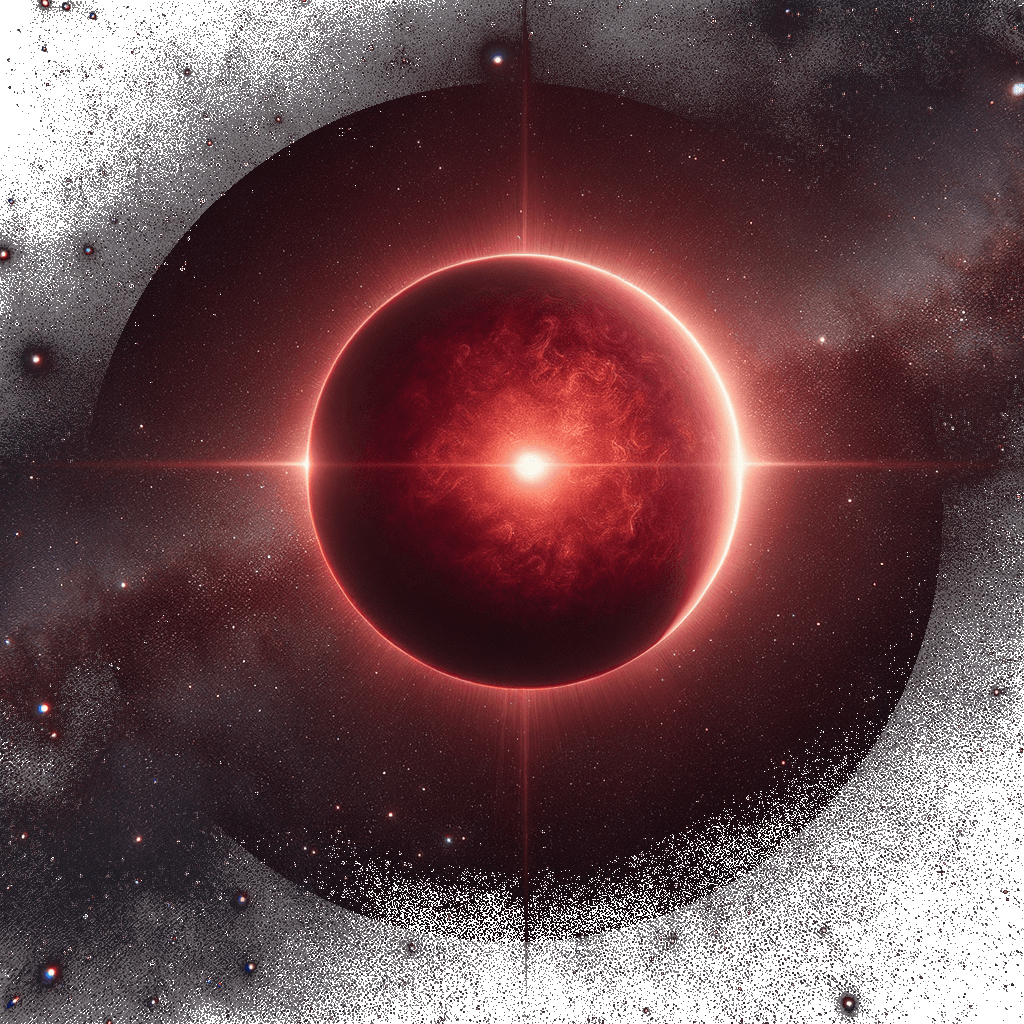
Proxima Centauri
La estrella más cercana a nuestro Sol, a solo 4,24 años luz. Próxima Centauri es una pequeña enana roja. Si algún día viajamos a otra estrella, probablemente será esta.

Alpha Centauri A
Parte del sistema estelar más cercano a la Tierra. Alfa Centauri A es notablemente similar a nuestro Sol. Los científicos creen que planetas a su alrededor podrían potencialmente albergar vida.

Sirius
La estrella más brillante del cielo nocturno. Sirio es una deslumbrante estrella azul-blanca a solo 8,6 años luz. Los egipcios construyeron su calendario en torno a ella.

Barnard b
Un mini mundo abrasador orbitando peligrosamente cerca de su estrella ardiente.
Artículos y guías relacionados
Descubre las estrellas más brillantes del cielo. Explora nuestro catálogo de planetas. También puedes comprar una estrella como regalo. Aprende qué es un exoplaneta. Conoce los tipos de estrellas. Para dudas, visita la FAQ.
Preguntas frecuentes
¿Cuál es la estrella más cercana a la Tierra?
La estrella más cercana a la Tierra, aparte del Sol, es Proxima Centauri. Se encuentra a 4,24 años luz en la constelación de Centauro. Es una enana roja que forma parte del sistema triple Alpha Centauri.
¿Cuánto tardaríamos en llegar a Proxima Centauri?
Con la tecnología actual, unos 73 000 años. El proyecto Breakthrough Starshot quiere enviar pequeñas sondas al 20 % de la velocidad de la luz, lo que tardaría unos 20 años. Ninguna nave tripulada podría hacer el viaje con los medios actuales.
¿Hay un planeta habitable cerca de la estrella más cercana?
Proxima Centauri b orbita en la zona habitable y tiene una masa similar a la de la Tierra. Las erupciones frecuentes de Proxima Centauri podrían haber destruido su atmósfera. El telescopio espacial James Webb sigue estudiando el planeta.
¿Se puede ver Proxima Centauri sin telescopio?
No. Proxima Centauri tiene una magnitud aparente de 11,13, demasiado débil para el ojo humano. Necesitas al menos un telescopio pequeño. Solo es visible desde el hemisferio sur.
¿Cuál es la diferencia entre Proxima Centauri y Alpha Centauri?
Alpha Centauri es un sistema de tres estrellas. Alpha Centauri A y B son un par binario cercano, mientras que Proxima Centauri (Alpha Centauri C) orbita a su alrededor a una distancia mucho mayor. Proxima es la más cercana de las tres a la Tierra.
Nombra una estrella en nuestro vecindario cósmico
Elige una estrella real con datos astronómicos verificados y dale el nombre que quieras. Certificados desde $24,99 con entrega digital instantánea.
Comprar una estrellaLos nombres asignados a través de BuyMyPlanet no están reconocidos por la UAI. Son designaciones simbólicas vinculadas a datos astronómicos reales.