What Happens When a Star Dies? The Full Story
Every star you see in the night sky will die someday. Our Sun included. But stars don't just blink out like a light switch. Depending on their size, they might quietly fade away, explode in a blast brighter than an entire galaxy, or collapse into something so dense that not even light can escape. Here is what actually happens.
Why Do Stars Die in the First Place?
Stars are basically giant nuclear reactors. They spend their lives fusing hydrogen atoms into helium deep in their cores, and that process releases a ridiculous amount of energy. That energy pushes outward as radiation pressure, and gravity pulls inward. As long as those two forces balance each other, the star stays stable. But hydrogen fuel doesn't last forever. When a star starts running low, the balance breaks. Gravity starts winning. And that's when things get interesting. How a star dies depends almost entirely on one thing: how massive it was when it was born.
The Life Cycle of a Star: From Birth to Death
Every star starts the same way. A cloud of gas and dust (called a nebula) collapses under its own gravity. As the material compresses, it heats up until hydrogen fusion ignites in the core. Congratulations, it's a star. From there, the star enters its main sequence phase, which is basically its adult life. Our Sun has been in this phase for about 4.6 billion years and has roughly 5 billion left. Small stars (red dwarfs) can stay on the main sequence for trillions of years. Massive stars burn through their fuel in just a few million years. After the main sequence, every star enters its death phase. And that's where the paths diverge dramatically.
How Small Stars Die: The White Dwarf Path
Stars up to about 8 times the mass of our Sun follow a relatively quiet death. When they exhaust their hydrogen, their cores contract and heat up enough to start fusing helium into carbon and oxygen. The outer layers puff outward, and the star becomes a red giant. Our Sun will do this in about 5 billion years. It will swell so large that it could reach the orbit of Mars. Eventually, the outer layers drift away into space, forming a glowing shell of gas called a planetary nebula. These are some of the most beautiful objects in the universe. The Helix Nebula, the Ring Nebula, the Cat's Eye Nebula. The core that remains is a white dwarf. It is about the size of Earth but incredibly dense. A teaspoon of white dwarf material would weigh about 5 tons. White dwarfs don't generate energy anymore. They just slowly cool down over billions of years, eventually fading to black.
How Massive Stars Die: Supernovae and Beyond
Stars more than about 8 times the mass of the Sun go out with a bang. Literally. These heavyweights fuse heavier and heavier elements in their cores. Hydrogen to helium, helium to carbon, carbon to neon, neon to oxygen, oxygen to silicon. Each stage burns faster than the last. Silicon fusion lasts only about a single day. The end product is iron, and that's the problem. Fusing iron doesn't release energy. It absorbs it. Once the core fills with iron, fusion stops, and gravity takes over in a fraction of a second. The core collapses at roughly a quarter the speed of light. The outer layers come crashing inward and then bounce off the ultra-dense core in a catastrophic explosion: a supernova.
What Is a Supernova, Exactly?
A supernova is one of the most violent events in the universe. For a few weeks, a single exploding star can outshine an entire galaxy of hundreds of billions of stars. The energy released in a supernova is hard to wrap your head around. In just ten seconds, the collapsing core releases more energy than our Sun will produce in its entire 10-billion-year lifetime. Most of that energy comes out as neutrinos, tiny particles that barely interact with matter. The visible explosion is just a fraction of the total energy. Supernovae happen about twice per century in a galaxy like the Milky Way. The last one visible to the naked eye from Earth was in 1604, observed by Johannes Kepler. We're overdue for the next one. The Crab Nebula in the constellation Taurus is the remains of a supernova that Chinese astronomers recorded in 1054 AD. It was bright enough to see during the daytime for 23 days.
Neutron Stars: What's Left After the Explosion
If the remaining core after a supernova is between about 1.4 and 3 solar masses, it becomes a neutron star. The name says it all. The core gets crushed so hard that protons and electrons merge into neutrons. The result is a ball of neutrons about 12 miles across, but with more mass than our entire Sun. A sugar cube of neutron star material would weigh about a billion tons on Earth. Some neutron stars spin hundreds of times per second and emit beams of radiation from their magnetic poles. When those beams sweep past Earth, we detect them as pulsing signals. We call these pulsars. The first pulsar was discovered in 1967 by Jocelyn Bell Burnell. The signal was so regular that astronomers initially nicknamed it LGM-1, for Little Green Men, before they figured out it was a natural phenomenon.
Black Holes: When Gravity Wins Completely
If the leftover core is more than about 3 solar masses, even neutrons can't resist the crush of gravity. The core collapses past the point of no return and forms a black hole. A black hole isn't really a hole. It's an incredibly dense point (called a singularity) surrounded by an invisible boundary called the event horizon. Once something crosses the event horizon, it can never come back out. Not even light. That's why it's black. Stellar black holes (formed from dead stars) are typically 5 to 50 times the mass of the Sun. Supermassive black holes at the centers of galaxies can be millions or billions of solar masses. In 2019, the Event Horizon Telescope captured the first direct image of a black hole's shadow in galaxy M87. It looked exactly like physicists predicted. A bright ring of superheated gas around a dark void.
Planetary Nebulae: The Beautiful Aftermath
When a Sun-like star sheds its outer layers, the expanding gas forms a planetary nebula. Despite the name, these have nothing to do with planets. William Herschel coined the term in the 1780s because they looked like fuzzy planetary disks through his telescope. Planetary nebulae last only about 10,000 to 20,000 years before they disperse into space. That's a blink in cosmic terms, which makes them relatively rare to observe. But the ones we can see are stunning. The Helix Nebula looks like a giant eye staring at you from 700 light-years away. The Butterfly Nebula has twin lobes of gas expanding at over 600,000 miles per hour. The Ring Nebula is a near-perfect circle of glowing gas with a white dwarf at its center.
What Happens to the Matter When a Star Dies?
Here is the really mind-blowing part. Almost every element heavier than hydrogen and helium was forged inside a star. Carbon, oxygen, nitrogen, iron, gold, calcium. All of it. Stars are element factories. When a star dies, it scatters those elements back into space. Gentle planetary nebula or violent supernova, the result is the same. That material eventually mixes into new gas clouds, which collapse to form new stars and planets. The iron in your blood? Made inside a star that exploded billions of years ago. The calcium in your bones? Same story. As Carl Sagan famously said: we are made of star stuff. And that is not just poetry. It is literally true.
Can You See a Dying Star from Earth?
Yes, but catching one in the act is rare. Red giants are visible all over the night sky. Betelgeuse, the bright reddish star in Orion's shoulder, is a red supergiant nearing the end of its life. It could go supernova tomorrow or in 100,000 years. Nobody knows for sure. When it does, it will be visible during the daytime and might be as bright as the full moon at night. Planetary nebulae are visible through small telescopes. The Ring Nebula in Lyra and the Dumbbell Nebula in Vulpecula are popular targets for amateur astronomers. Supernova remnants like the Crab Nebula are also telescope-friendly. For stargazing tips, check out our guide to stargazing for beginners.
How Our Sun Will Die
Our Sun is a pretty average yellow dwarf star, about halfway through its life. In roughly 5 billion years, it will run out of hydrogen fuel in its core. It will swell into a red giant, possibly engulfing Mercury, Venus, and maybe Earth. Even if Earth survives being swallowed, the oceans will boil away and the surface will be scorched. After the red giant phase, the Sun will shed its outer layers and leave behind a white dwarf about the size of Earth. That white dwarf will slowly cool over trillions of years. No supernova, no black hole, no neutron star. Just a quiet fade. That might sound sad, but the Sun's death will create a planetary nebula that could be beautiful enough for alien astronomers in distant galaxies to admire through their own telescopes.
Name a Star and Give It Meaning
Out of the estimated 200 sextillion stars in the observable universe, only about 300 have traditional names. Stars like Sirius, Polaris, and Betelgeuse got their names centuries ago. The rest are identified by catalog numbers. Star naming services let you pick a real star with verified coordinates and give it a personal name. BuyMyPlanet uses actual NASA data for every certificate. Each star comes with real celestial coordinates, its constellation, and a personalized certificate you can download instantly for $24.99. The premium option at $29.99 includes a dedicated web page with a QR code. It is symbolic, not scientifically official, but it is a pretty meaningful way to connect someone's name to the cosmos. You can also name a planet if stars aren't your thing.
Famous stars to explore
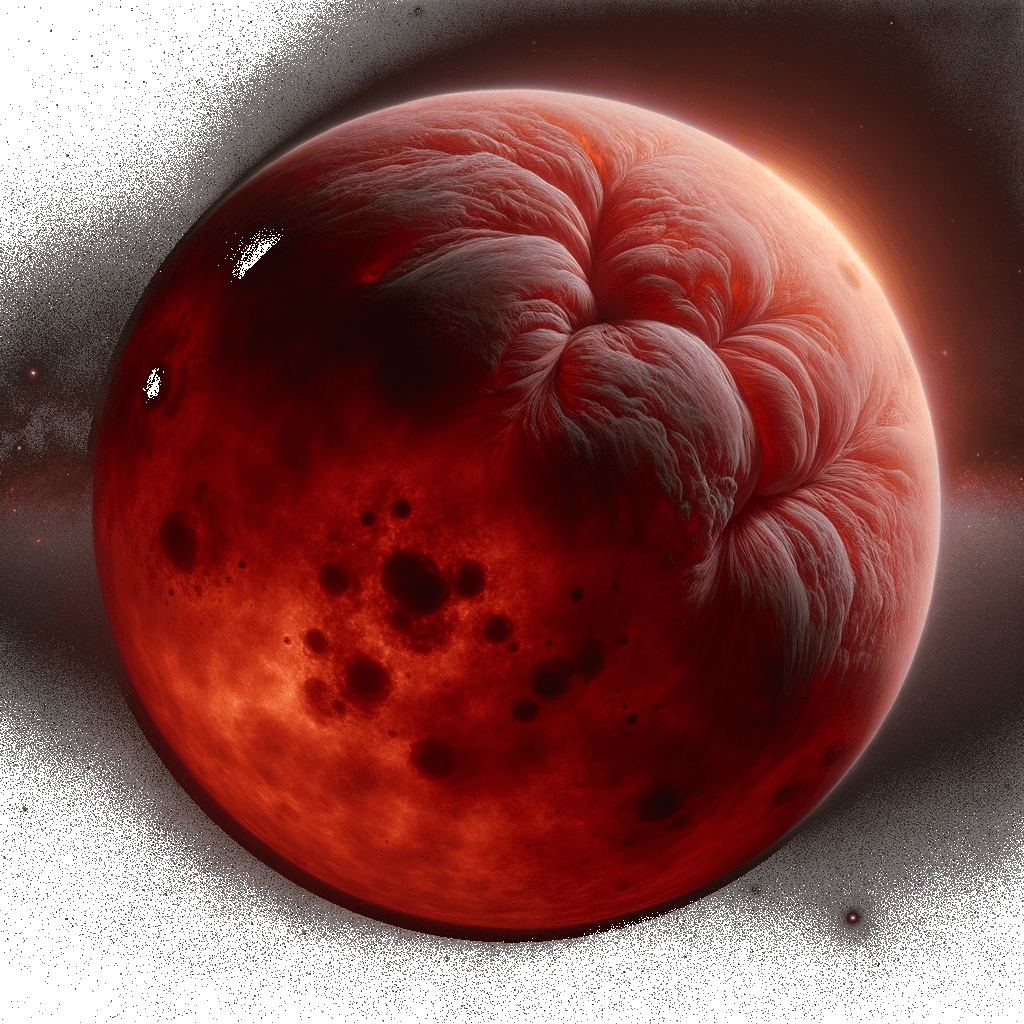
Betelgeuse
A red supergiant that could explode as a supernova any day now. Betelgeuse is so massive that if it replaced our Sun, it would swallow Mars.
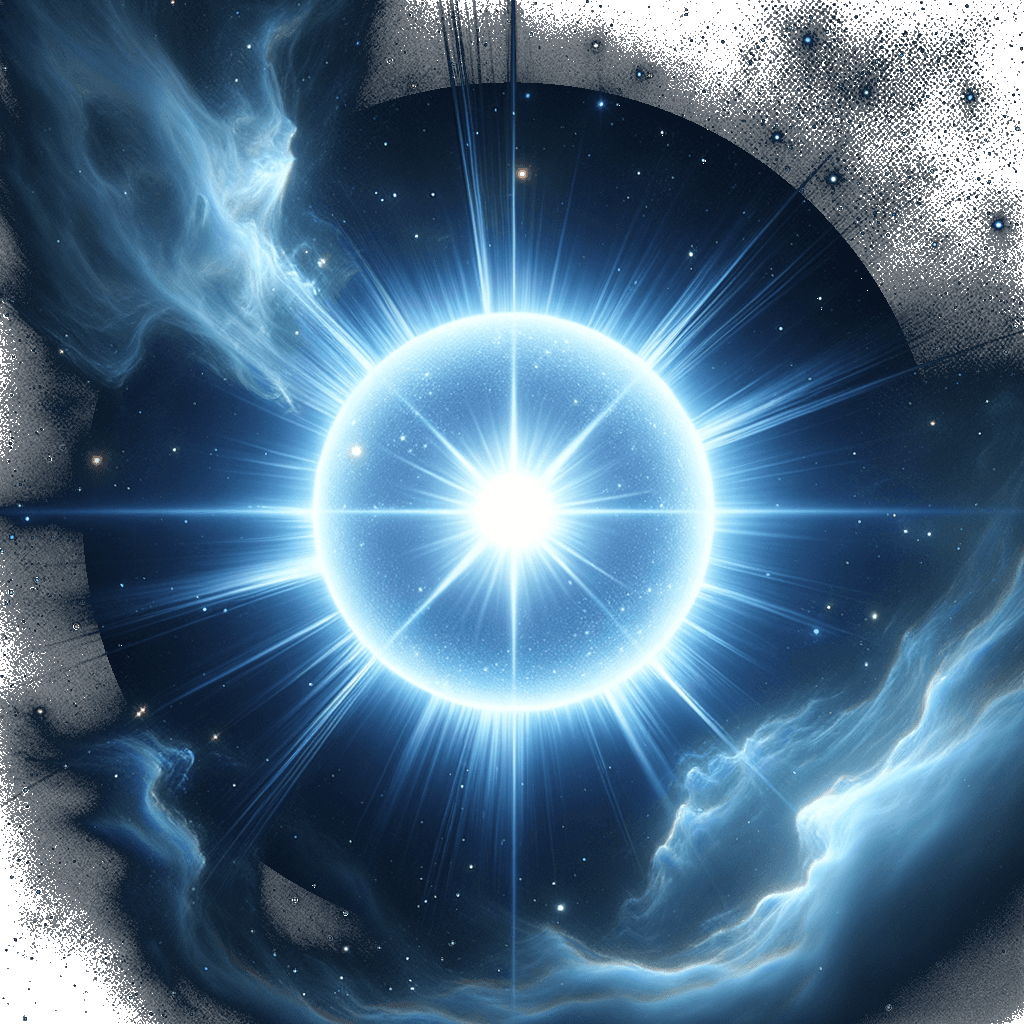
Sirius
The brightest star in the night sky. Sirius is a dazzling blue-white star just 8.6 light-years away. Ancient Egyptians built their calendar around it.
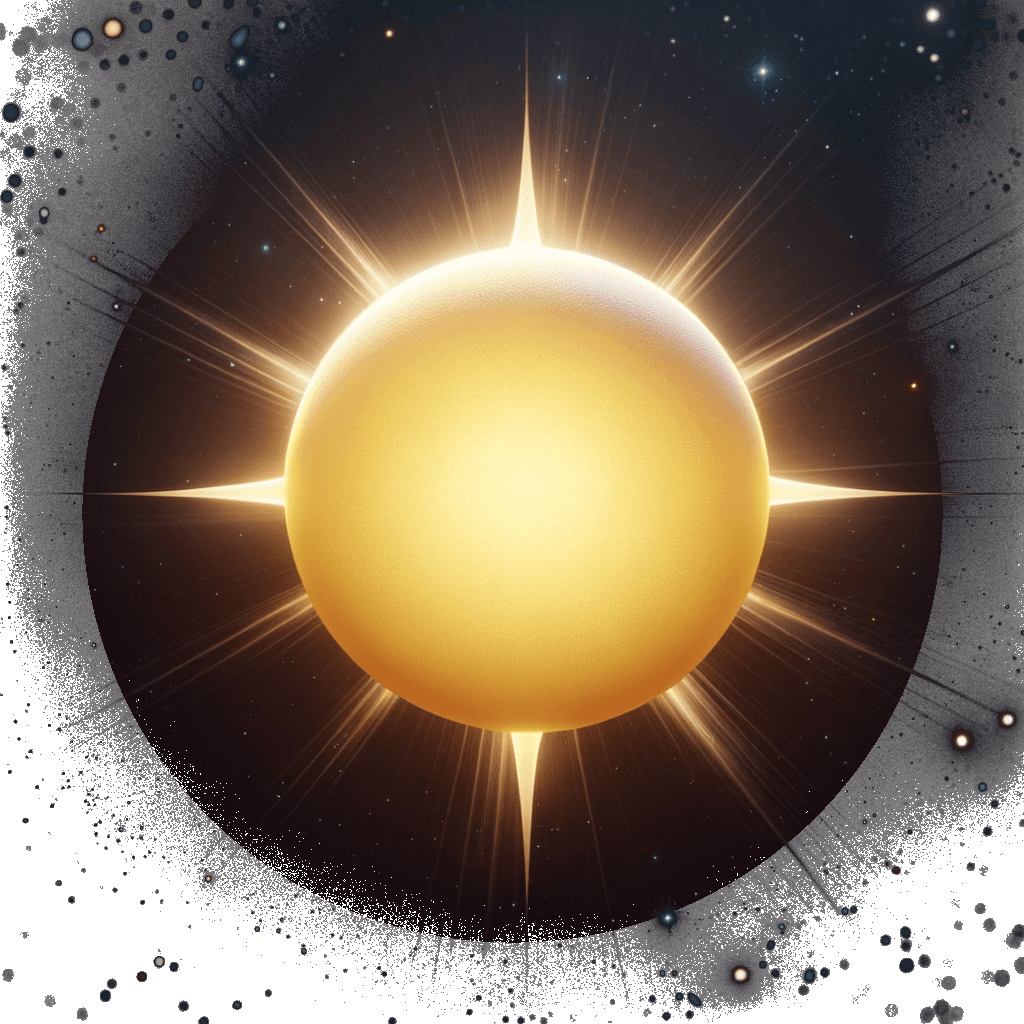
Polaris
The North Star. For centuries, sailors and explorers used Polaris to find their way. It sits almost perfectly above Earth's north pole.
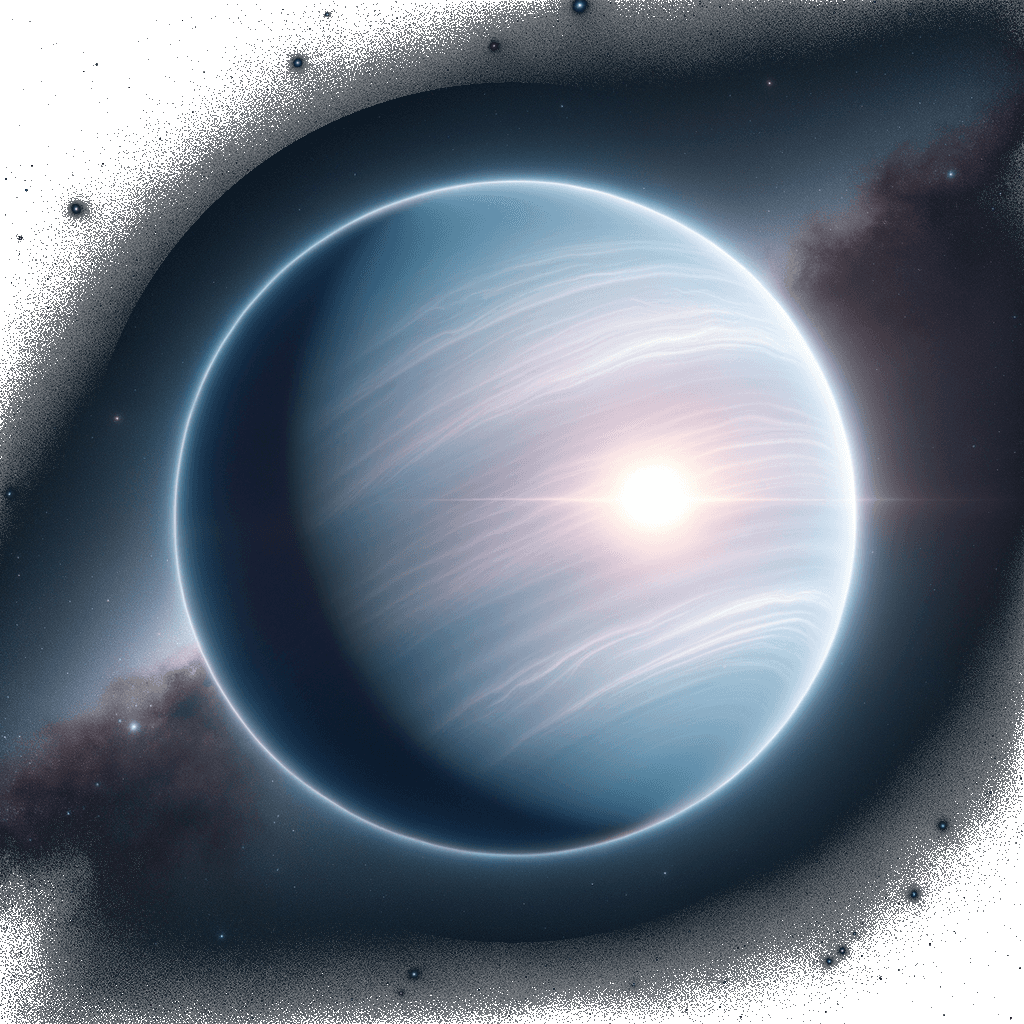
Vega
One of the brightest stars you can see from Earth. Vega was the first star ever photographed (back in 1850) and the first to have its spectrum recorded.
Related articles & guides
Want to keep exploring? Check out the different types of stars, find out how many stars exist in the universe, or browse our planets page. You can also name a star for someone you care about.
Name a Star Today
Every star has a story. Give one a name that means something. Real NASA coordinates, instant digital delivery, $24.99.
Name a StarFrequently asked questions
What happens when a star runs out of fuel?
When a star exhausts its hydrogen fuel, gravity starts to dominate. Small to medium stars (like our Sun) swell into red giants, shed their outer layers as planetary nebulae, and leave behind white dwarfs. Massive stars fuse heavier elements until they hit iron, then their cores collapse and they explode as supernovae, leaving behind neutron stars or black holes.
Will our Sun explode when it dies?
No. Our Sun is not massive enough to go supernova. In about 5 billion years, it will expand into a red giant, shed its outer layers to form a planetary nebula, and its core will become a white dwarf. It will be a relatively peaceful death compared to what happens to massive stars.
How long does it take for a star to die?
It depends on the star's mass. Red dwarfs can live for trillions of years. Stars like our Sun last about 10 billion years. Massive stars burn through their fuel in just a few million years. The final death phase (supernova explosion) happens in seconds, but the full decline from main sequence to death can take millions of years.
What is the difference between a supernova and a nova?
A nova is a temporary brightening of a white dwarf that has pulled material from a companion star. The white dwarf survives and can nova again. A supernova is the complete destruction of a massive star's core, releasing millions of times more energy than a nova. The star does not survive a supernova.
Can a star become a black hole?
Yes, but only very massive stars. After a supernova, if the remaining core is more than about 3 times the mass of the Sun, it collapses into a black hole. Stars like our Sun are not massive enough. They end as white dwarfs instead.
Got Questions?
Here's everything you need to know about buying a planet
Here's the deal: this is symbolic ownership. Nobody can legally own a planet (there's actually a UN treaty about it). But what you DO get is a gorgeous personalized certificate with real astronomical data and a unique registration number. Think of it as the most original gift you can possibly give someone.
The planet's real name, your personalized owner name, a custom message if you want one, a unique registration number, and the date. It's designed to look premium enough to frame and hang on a wall.
It shows up in your email as a PDF within a few minutes of buying. You can print it at home, take it to a print shop for a nicer version, or just share it digitally. Simple.
People go crazy for it. We've sold over 3,247 planets so far and we get messages all the time from people saying it's the best gift they've ever received. It works for birthdays, Valentine's Day, Christmas, weddings, new babies... pretty much any occasion.
100%. Every planet in our catalog is a real celestial body discovered by NASA, ESA, or other space agencies. We don't make anything up. The data on your certificate comes from confirmed scientific discoveries.
No problem. You've got 30 days to change your mind. Just email us at ethan@buymyplanet.com and we'll sort it out.
Yes! We sell both planets and stars. Stars are beautiful and classic. Planets are full worlds with their own characteristics, categories, and stories. Both come with a personalized certificate and real astronomical data. Pick what fits best, or get both.
Yep! Each certificate gets its own unique registration number. It's like naming a star. The ownership is personal to you, and your certificate is one of a kind.
Right now we do instant digital PDF certificates. You can print them at home or at any print shop. We're working on framed physical versions that'll ship to your door. Stay tuned.
Totally. Symbolic planet ownership is a novelty gift, kind of like star naming services. The 1967 Outer Space Treaty says no country can claim a planet, but personalized certificates are perfectly fine. It's a beloved gift worldwide.
BuyMyPlanet star naming certificates are symbolic and do not confer official scientific recognition by the International Astronomical Union (IAU).