Datos del sistema solar: más de 50 que seguro no conocías
Nuestro sistema solar tiene 4.600 millones de años, se extiende miles de millones de kilómetros y contiene ocho planetas, cientos de lunas y millones de asteroides. Probablemente conoces lo básico. ¿Pero los detalles? Ahí la cosa se pone rara de verdad. Mira, estos son los datos del sistema solar que los libros de texto suelen saltarse.
¿Cuántos años tiene el sistema solar?
El sistema solar se formó hace unos 4.600 millones de años a partir de una enorme nube de gas y polvo llamada nebulosa solar. Algo provocó el colapso de la nube, probablemente la explosión de una supernova cercana. Al colapsar, la nube empezó a girar y se aplanó en forma de disco. La mayor parte del material se concentró en el centro y formó el Sol. Los restos se agruparon para crear planetas, lunas, asteroides y cometas. Los científicos calcularon esta edad estudiando meteoritos. Los más antiguos contienen diminutos granos minerales llamados inclusiones ricas en calcio y aluminio, datados en 4.567 millones de años mediante datación radiométrica. Un número increíblemente preciso para algo que ocurrió antes de que existiera la Tierra.
El Sol contiene el 99,86 % de la masa del sistema solar
Este es el dato que lo pone todo en perspectiva. El Sol es tan masivo que todo lo demás en el sistema solar (cada planeta, luna, asteroide, cometa y grano de polvo) suma apenas el 0,14 % de la masa total. Júpiter, el planeta más grande, representa la mayor parte de ese pequeño resto. El núcleo del Sol alcanza 15 millones de grados Celsius y fusiona 600 millones de toneladas de hidrógeno en helio cada segundo. Lleva haciéndolo 4.600 millones de años y tiene combustible suficiente para 5.000 millones más. Cada segundo, el Sol pierde unas 4 millones de toneladas de masa en forma de energía radiada. Incluso a ese ritmo, apenas se nota.
Los ocho planetas y lo que hace raro a cada uno
Mercurio es el planeta más pequeño y prácticamente no tiene atmósfera. De día alcanza 430 grados Celsius, de noche baja a menos 180. Venus gira al revés comparado con todos los demás planetas, y tan lento que un día en Venus dura más que su año. La Tierra es el único planeta con agua líquida en la superficie (que sepamos). Marte tiene el volcán más alto del sistema solar: el Olympus Mons, con 21.900 metros, casi tres veces el Everest. Júpiter podría contener a todos los demás planetas dentro y aún le sobraría espacio. Su Gran Mancha Roja es una tormenta más grande que la Tierra que lleva al menos 350 años activa. Los anillos de Saturno parecen sólidos desde lejos pero están hechos de miles de millones de trozos de hielo y roca. Urano rota de lado, básicamente rueda alrededor del Sol como una canica. Neptuno tiene los vientos más rápidos del sistema solar, superando los 2.000 km/h.
Planetas enanos: los que no dieron la talla
Plutón fue degradado en 2006, y la verdad es que las razones tienen sentido. La Unión Astronómica Internacional definió tres criterios para ser un planeta: orbitar alrededor del Sol, tener masa suficiente para que la gravedad le dé forma redonda, y haber despejado su vecindario orbital. Plutón falla en el último punto. Comparte su zona orbital con miles de otros objetos helados en el cinturón de Kuiper. Hay cinco planetas enanos reconocidos: Plutón, Eris, Haumea, Makemake y Ceres. Eris es de hecho más masivo que Plutón, lo que contribuyó al cambio de definición. Ceres se encuentra en el cinturón de asteroides entre Marte y Júpiter y fue considerado un planeta durante unos 50 años tras su descubrimiento en 1801. Haumea tiene forma de huevo porque gira tan rápido que completa una rotación cada 4 horas.
Lunas del sistema solar: muchas más de lo que crees
La Tierra tiene una luna. Marte tiene dos diminutas. ¿Pero Júpiter? En 2024, Júpiter tiene 95 lunas confirmadas. Saturno tiene 146. Urano 28 y Neptuno 16. Son casi 300 lunas orbitando solo cuatro planetas. Algunas son realmente fascinantes. Europa, una de las lunas de Júpiter, tiene un océano líquido bajo su corteza de hielo que podría contener más agua que todos los océanos de la Tierra juntos. Titán, la luna más grande de Saturno, tiene una atmósfera densa, lluvia, ríos y lagos, solo que el líquido es metano, no agua. Encélado, otra luna de Saturno, lanza géiseres de hielo de agua desde su polo sur al espacio. Tritón, la luna más grande de Neptuno, orbita en sentido contrario, lo que sugiere que Neptuno la capturó del cinturón de Kuiper. Ío, en órbita alrededor de Júpiter, es el cuerpo con más actividad volcánica del sistema solar.
El cinturón de asteroides está casi vacío
Las películas hacen que el cinturón de asteroides parezca un campo denso de rocas giratorias donde las naves tienen que esquivar como locas. ¿La realidad? Si lo cruzaras, probablemente no verías ni un solo asteroide. El cinturón se extiende más de 160 millones de kilómetros, pero la masa total de todos los asteroides combinados es menos del 4 % de la masa de la Luna. El objeto más grande, Ceres, representa un tercio de ese total. La mayoría de los asteroides están separados por millones de kilómetros. La NASA ha enviado varias sondas a través del cinturón sin maniobras especiales. El cinturón existe porque la gravedad de Júpiter impidió que el material allí presente formara un planeta.
¿A qué velocidad se mueven los planetas?
Todo en el sistema solar se mueve rápido. Mercurio, el planeta más cercano al Sol, orbita a unos 180.000 km/h. La Tierra viaja a unos 107.000 km/h. Eso significa que ahora mismo estás volando por el espacio a unos 30 km por segundo, aunque estés sentado sin moverte. Neptuno, el planeta más lejano, se mueve a 19.000 km/h, pero su órbita es tan enorme que un año neptuniano dura 165 años terrestres. El Sol también se mueve, arrastrando a todo el sistema solar en su órbita alrededor del centro de la Vía Láctea a unos 830.000 km/h. Incluso a esa velocidad, el Sol necesita unos 230 millones de años para completar una vuelta. Los científicos lo llaman un año galáctico. El Sol ha completado unas 20 vueltas desde que nació.
El cinturón de Kuiper y la nube de Oort
Más allá de Neptuno está el cinturón de Kuiper, un anillo de cuerpos helados que se extiende desde unas 30 hasta 55 unidades astronómicas del Sol. Una UA es la distancia de la Tierra al Sol, unos 150 millones de kilómetros. El cinturón de Kuiper alberga a Plutón, Eris y probablemente millones de objetos helados más pequeños. Los cometas de período corto (los que tardan menos de 200 años en orbitar) vienen de aquí. Pero el cinturón de Kuiper es solo el comienzo. Mucho más lejos está la nube de Oort, una envoltura hipotética de objetos helados que podría extenderse hasta 100.000 UA del Sol, casi a medio camino de la estrella más cercana. Nadie ha observado directamente la nube de Oort, pero los cometas de período largo que tardan miles de años en orbitar parecen venir de esa dirección. La nube de Oort probablemente contiene billones de objetos y marca el verdadero límite gravitacional del sistema solar.
Datos del sistema solar que parecen inventados (pero son reales)
Un día en Venus dura más que un año en Venus. Venus tarda 243 días terrestres en rotar sobre sí mismo pero solo 225 en orbitar alrededor del Sol. Saturno es menos denso que el agua. Técnicamente, si tuvieras una bañera lo bastante grande, Saturno flotaría. Las huellas en la Luna se quedarán ahí millones de años porque no hay viento ni clima que las borre. Júpiter tiene una luna, Ganímedes, más grande que el planeta Mercurio. Hay más árboles en la Tierra (unos 3 billones) que estrellas en la Vía Láctea (unos 200.000 millones). Un millón de Tierras cabrían dentro del Sol. Un año en Plutón dura 248 años terrestres, lo que significa que Plutón no ha completado ni una sola órbita desde que fue descubierto en 1930.
Ponle nombre a un planeta del sistema solar
La mayoría de planetas y estrellas llevan números de catálogo y designaciones técnicas. Bonito pero impersonal. BuyMyPlanet te permite elegir un cuerpo celeste real con coordenadas verificadas por la NASA y ponerle el nombre que quieras. Los certificados empiezan en $24,99 con entrega digital instantánea. La opción premium a $29,99 incluye una página web dedicada y un código QR que enlaza directamente a ella. Es propiedad simbólica, no una designación científica oficial. Pero cada certificado está vinculado a coordenadas astronómicas reales. Imagínate regalar un certificado que dice que un planeta a 40 años luz lleva el nombre de alguien a quien quieres.
Planetas para explorar
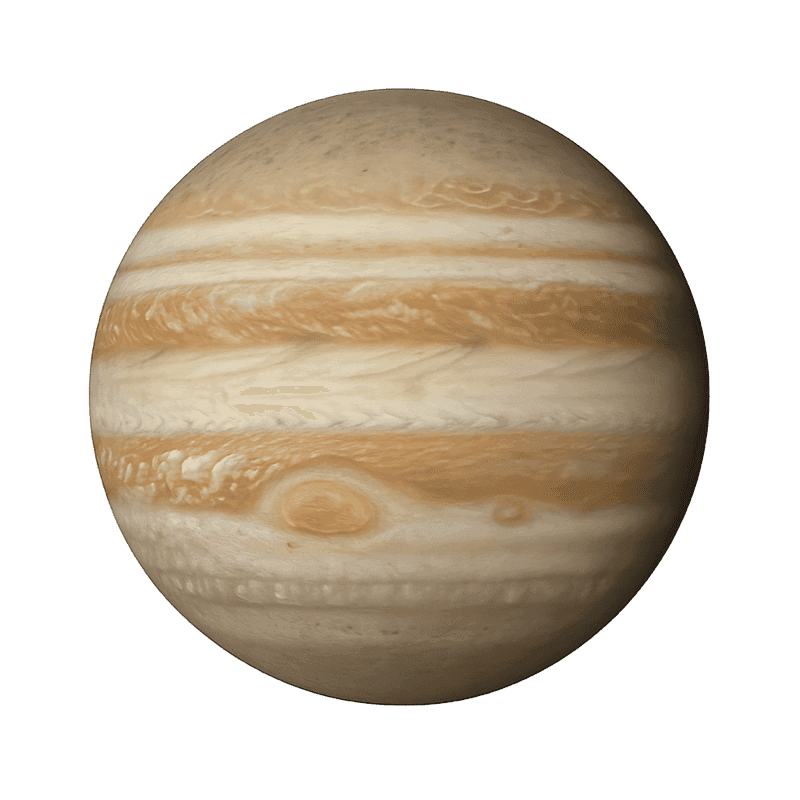
Jupiter
El rey de los planetas — un colosal gigante gaseoso con una Gran Mancha Roja que ruge desde hace siglos.
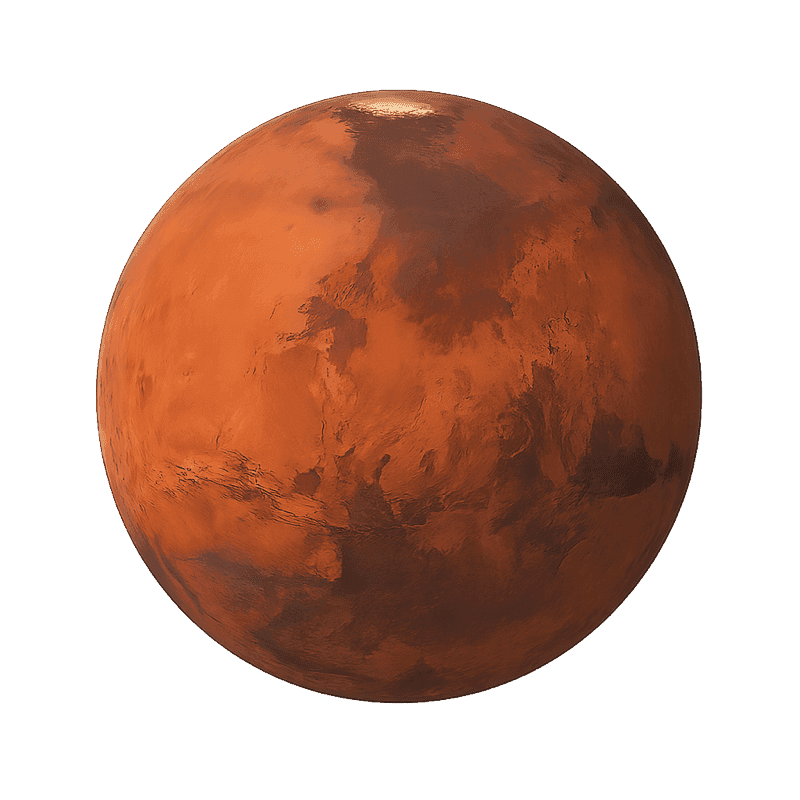
Mars
El Planeta Rojo — un mundo desértico frío y polvoriento que pudo haber albergado antiguos ríos y lagos.
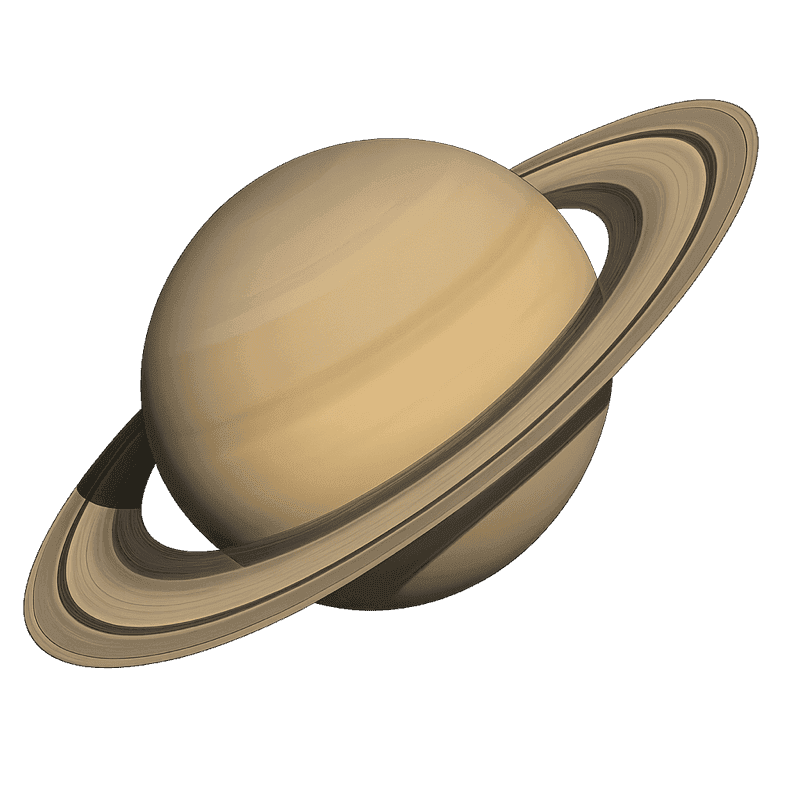
Saturn
La joya del Sistema Solar — un majestuoso gigante gaseoso adornado con impresionantes anillos.
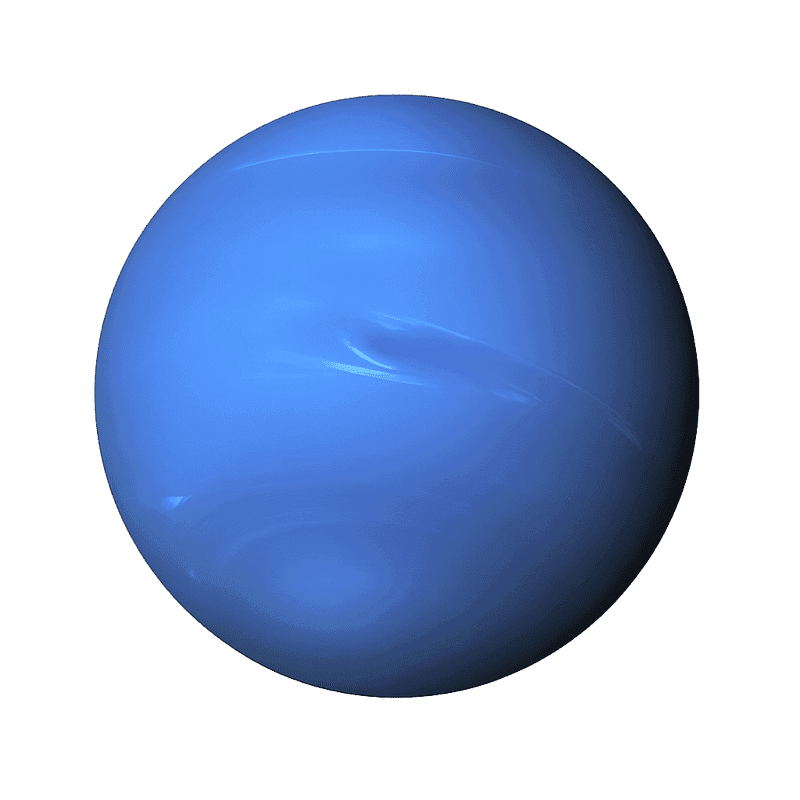
Neptune
Un gigante de hielo frígido con vientos supersónicos, el planeta más distante de nuestro Sistema Solar.
Artículos y guías relacionados
Descubre el orden de los planetas en el sistema solar. Explora nuestro catálogo de planetas. También puedes comprar una estrella como regalo. Aprende qué tan grande es el universo. Descubre si Plutón es un planeta. Para dudas, visita la FAQ.
Preguntas frecuentes
¿Cuántos planetas hay en nuestro sistema solar?
Hay ocho planetas: Mercurio, Venus, Tierra, Marte, Júpiter, Saturno, Urano y Neptuno. Plutón fue reclasificado como planeta enano en 2006 por la Unión Astronómica Internacional.
¿Cuál es el planeta más caliente del sistema solar?
Venus es el planeta más caliente, con temperaturas superficiales medias de 464 grados Celsius. Aunque Mercurio está más cerca del Sol, Venus retiene más calor por su densa atmósfera de dióxido de carbono y su efecto invernadero descontrolado.
¿Qué planeta tiene más lunas?
Saturno tiene actualmente el récord con 146 lunas confirmadas en 2024. Júpiter queda en segundo lugar con 95 lunas confirmadas. Siguen descubriéndose nuevas lunas a medida que mejora la tecnología de los telescopios.
¿Dónde termina el sistema solar?
Depende de cómo lo definas. El cinturón de Kuiper se extiende hasta unas 55 UA del Sol. La nube de Oort, que marca el límite gravitacional, podría extenderse hasta 100.000 UA, unos 1,87 años luz.
¿Cuánto se tardaría en cruzar el sistema solar?
A la velocidad de la luz, unas 11 horas desde el Sol hasta el cinturón de Kuiper. A la velocidad de la sonda Voyager 1 (61.000 km/h), unos 40.000 años para llegar al borde exterior de la nube de Oort.
¿Tienes preguntas?
Todo lo que necesitas saber sobre comprar un planeta
Te lo explico: es propiedad simbólica. Nadie puede ser dueño legal de un planeta (hay un tratado de la ONU sobre eso). Pero lo que SÍ recibes es un certificado personalizado precioso con datos astronómicos reales y un número de registro único. Piensa en ello como el regalo más original que puedes hacer.
El nombre real del planeta, el nombre personalizado del propietario, un mensaje personal si quieres, un número de registro único y la fecha. Está diseñado para que quede genial enmarcado en la pared.
Llega a tu email como PDF en pocos minutos después de comprar. Puedes imprimirlo en casa, llevarlo a una tienda de fotos para una versión más pro, o simplemente compartirlo online. Fácil.
La gente alucina. Hemos vendido más de 3.247 planetas y recibimos mensajes todo el tiempo de gente diciendo que es el mejor regalo que han recibido. Funciona para cumpleaños, San Valentín, Navidad, bodas, nacimientos... prácticamente cualquier ocasión.
Al 100%. Cada planeta de nuestro catálogo es un cuerpo celeste real descubierto por la NASA, ESA u otras agencias espaciales. No inventamos nada. Los datos de tu certificado vienen de descubrimientos científicos confirmados.
Sin problema. Tienes 30 días para cambiar de opinión. Solo envía un email a ethan@buymyplanet.com y lo solucionamos.
¡Sí! Vendemos planetas y estrellas. Las estrellas son un clásico y siempre mágicas. Los planetas son mundos enteros con sus propias características e historias. Ambos vienen con un certificado personalizado y datos astronómicos reales. Elige lo que más te guste, o llévate los dos.
¡Sí! Cada certificado tiene su propio número de registro único. Es como nombrar una estrella. La propiedad es personal, y tu certificado es único.
Ahora mismo hacemos certificados PDF digitales instantáneos. Puedes imprimirlos en casa o en cualquier tienda. Estamos trabajando en versiones enmarcadas que llegarán a tu puerta. Muy pronto.
Totalmente. La propiedad simbólica de planetas es un regalo de fantasía, parecido a los servicios que nombran estrellas. El Tratado del Espacio de 1967 dice que ningún país puede reclamar un planeta, pero los certificados personalizados son perfectamente legales. Es un regalo querido en todo el mundo.
Hazte con un trozo del sistema solar
Elige cualquier planeta o estrella de nuestro catálogo. Ponle el nombre de alguien especial. Certificados desde $24,99 con entrega instantánea.
Nombrar un planeta o una estrella con BuyMyPlanet es un acto simbolico. No lo reconoce la UAI ni la NASA. Las coordenadas se basan en datos astronomicos reales.