¿Se puede comprar terreno en la Luna? La verdad
En algún lugar del mundo, alguien está pagando 30 dólares por un acre de terreno lunar. Recibe un certificado bonito, un mapa con una parcela marcada, y la sensación de ser dueño de un pedazo de Luna. ¿Pero es real? La respuesta involucra tratados de la Guerra Fría, un tipo de Nevada que dice ser dueño de toda la Luna, y un vacío legal que se complica más cada año.
Respuesta corta: nadie puede ser dueño de la Luna
Ninguna persona, empresa o gobierno puede poseer legalmente ninguna parte de la Luna. Esto es derecho internacional establecido, no una opinión. El Tratado del Espacio Exterior de 1967, ratificado por 114 países incluyendo todas las potencias espaciales, establece que los cuerpos celestes no están sujetos a apropiación nacional por proclamación de soberanía ni por uso u ocupación. La Luna pertenece a toda la humanidad. Punto. Dicho esto, miles de personas compran certificados lunares cada año y las empresas que los venden llevan décadas operando. Entonces, ¿qué está pasando exactamente?
El Tratado del Espacio Exterior: por qué la Luna es de todos
En 1967, en plena carrera espacial, Estados Unidos y la Unión Soviética se dieron cuenta de algo incómodo. Si uno clavaba una bandera en la Luna y la reclamaba, el otro tendría que responder. Potencialmente con armas nucleares. Así que hicieron lo inteligente: acordaron que nadie posee el espacio. El Tratado del Espacio Exterior fue el resultado. Dice que el espacio es libre para la exploración por todas las naciones. Ningún país puede reclamar un cuerpo celeste. Las actividades espaciales deben beneficiar a todos. Y no se pueden estacionar armas de destrucción masiva en órbita. Ambas superpotencias firmaron de inmediato. Hoy, 114 naciones lo han ratificado.
El Tratado de la Luna: la regla que nadie respeta
En 1979, la ONU intentó cerrar el vacío del Tratado del Espacio. Creó el Acuerdo sobre la Luna, que estipulaba que ni gobiernos ni individuos podían poseer propiedad lunar. La Luna y sus recursos fueron declarados « patrimonio común de la humanidad ». ¿Suena definitivo? El problema es que casi nadie lo firmó. Estados Unidos se negó. Rusia se negó. China se negó. Solo 18 países lo ratificaron, y ninguno ha lanzado nada más allá de la atmósfera. El Tratado de la Luna existe, pero tiene tanto poder como una carta de queja que nadie lee.
Dennis Hope: el hombre que « es dueño » de la Luna
En 1980, un tipo llamado Dennis Hope de Nevada tuvo una idea. Se dio cuenta de que el Tratado del Espacio dice que los gobiernos no pueden poseer la Luna. Pero no dice explícitamente que los individuos tampoco. Así que fue al registro del condado, presentó un reclamo de propiedad sobre la Luna, los ocho planetas y sus satélites. Luego envió una carta a la ONU informándoles. La ONU nunca respondió. Hope interpretó el silencio como aceptación y empezó a vender terrenos lunares a través de su empresa, la Lunar Embassy. Un acre por unos 25 dólares. Dice haber vendido más de 600 millones de acres. ¿Es legal su reclamo? Para nada. Ningún tribunal lo ha validado jamás. Pero los certificados siguen vendiéndose porque a la gente le parece divertido.
¿Cuánto cuesta un terreno en la Luna?
Si quieres comprar un acre simbólico de terreno lunar, tienes opciones. La Lunar Embassy vende parcelas a unos 25 dólares el acre. Otras empresas como la International Lunar Lands Registry cobran entre 20 y 50 dólares según el paquete. Las versiones premium con certificado enmarcado pueden llegar a 100 dólares. ¿Qué obtienes realmente? Normalmente un certificado de propiedad, un mapa lunar con tu parcela, un número de identificación, y a veces una copia de la « constitución lunar » que escribió Dennis Hope. Lo que no obtienes: ningún derecho legal sobre el terreno. Cero. Los certificados son curiosidades o regalos originales. Tienen tanta validez jurídica como un certificado que diga que eres dueño de una nube.
¿Comprar terreno lunar es una estafa?
Depende de lo que creas que estás comprando. Si alguien te vende terreno lunar diciendo que es una inversión real, eso es deshonesto. Si son transparentes con que es simbólico y divertido, es diferente. Las mejores empresas son honestas al respecto. Dicen claramente en su web que los certificados son artículos de novedad. El problema es que algunas son deliberadamente ambiguas, usando términos como « oficialmente registrado » para insinuar una legitimidad que no existe. En resumen: si lo compras como un regalo gracioso y sabes que es simbólico, no hay problema. Si alguien te dice que es una inversión que se va a revalorizar, sal corriendo.
El programa Artemis y las futuras bases lunares
El programa Artemis de la NASA planea establecer una presencia humana permanente en la Luna para finales de los años 2020. China tiene ambiciones similares. India aterrizó en el polo sur lunar en 2023. ¿Qué pasa con los reclamos de propiedad cuando la gente empiece a vivir allí? Respuesta corta: nada. Ninguna agencia espacial va a consultar una base de datos de certificados-regalo antes de construir un hábitat. Los Acuerdos Artemis, firmados por más de 30 países, establecen « zonas de seguridad » alrededor de actividades lunares, pero no son reclamos de propiedad. La verdadera pregunta legal es sobre los recursos. La ley estadounidense de 2015 dice que las empresas pueden poseer recursos que extraigan del espacio. Pero poseer recursos extraídos no es poseer el suelo. Puedes ser dueño del pez que pescas, pero no del océano.
Terreno lunar vs nombrar una estrella: ¿cuál es la diferencia?
Los certificados de terreno lunar y los de nombrar estrellas son ambos simbólicos. Ninguno te da propiedad legal de nada en el espacio. Pero hay una diferencia importante en lo que realmente obtienes. Los certificados lunares referencian una parcela en un mapa que una empresa dibujó. Las coordenadas son arbitrarias. Los certificados estelares, al menos los buenos, referencian una estrella real con coordenadas astronómicas reales de las bases de datos de la NASA. Puedes buscarla. Puedes apuntar un telescopio hacia ella. Los datos son verificables. En BuyMyPlanet, los certificados de planetas y estrellas incluyen coordenadas verificadas por la NASA, mediciones de distancia reales y datos científicos. Desde $24.99, está en el mismo rango de precio que el terreno lunar, pero basado en astronomía real.
Otras estafas inmobiliarias espaciales que verás en internet
El terreno lunar no es el único bien celeste que intentan venderte. Encontrarás empresas vendiendo parcelas en Marte, referenciando el mismo reclamo de Dennis Hope. Otras venden escrituras de asteroides, normalmente los que la NASA ha identificado como potencialmente ricos en metales. Otras venden el « derecho » de nombrar cráteres o mares lunares. Todo esto tiene la misma validez jurídica: ninguna. La Unión Astronómica Internacional (UAI) es el único organismo que nombra oficialmente formaciones en los cuerpos celestes. Sus convenciones son estrictas, científicas, y no están a la venta.
Las formas reales de conectar tu nombre con el espacio
Si quieres una conexión auténtica con el espacio, tienes mejores opciones que escrituras lunares falsas. La NASA organiza regularmente programas donde puedes enviar tu nombre a Marte, la Luna u otros destinos en naves espaciales reales. Más de 10 millones de nombres viajaron en el rover Perseverance en 2020. También puedes participar en ciencia ciudadana con proyectos como Galaxy Zoo. Y servicios como BuyMyPlanet te permiten asociar tu nombre con un cuerpo celeste real y verificado. El certificado incluye coordenadas reales, datos de distancia e información científica. No es propiedad legal, pero está conectado a algo real en el cielo.
¿Alguien será dueño de la Luna algún día?
Quizás. A medida que la minería lunar se vuelva comercialmente viable y los países compitan por recursos, la presión para establecer derechos de propiedad crecerá. Algunos juristas piensan que un nuevo marco legal es inevitable. Otros creen que el Tratado del Espacio aguantará. Lo más probable es algo intermedio entre propiedad total y bien común absoluto. Los países podrían obtener derechos mineros exclusivos en zonas específicas. Las empresas privadas podrían poseer la infraestructura que construyan pero no el suelo debajo. Sea lo que sea que pase, lo decidirán las naciones espaciales negociando nuevos tratados. No los certificados de empresas de novedades.
Planetas y estrellas para explorar
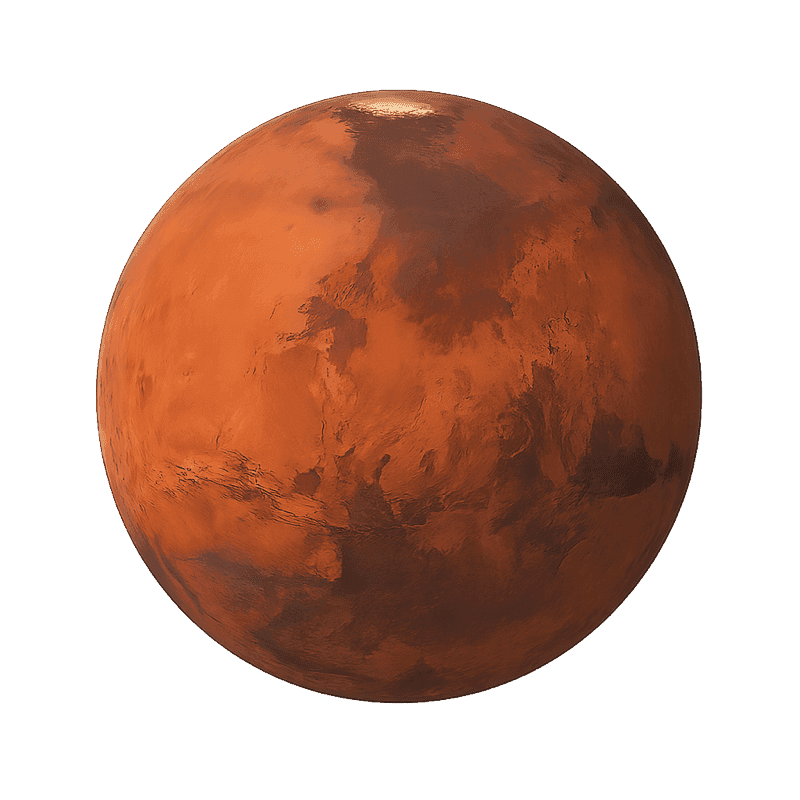
Mars
El Planeta Rojo — un mundo desértico frío y polvoriento que pudo haber albergado antiguos ríos y lagos.
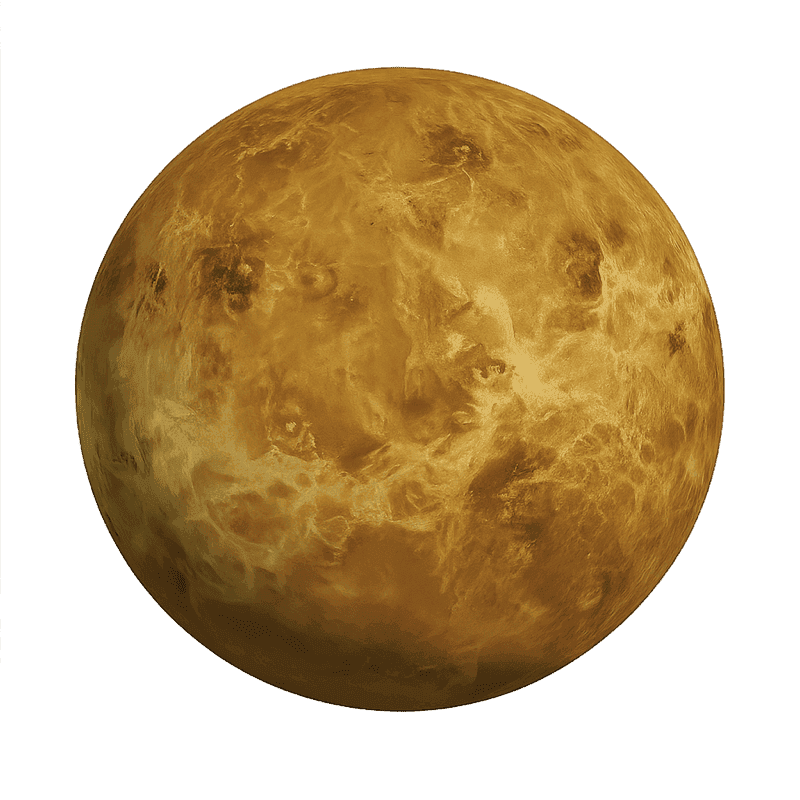
Venus
La gemela tóxica de la Tierra — un mundo infernal con presión aplastante y nubes de ácido sulfúrico.
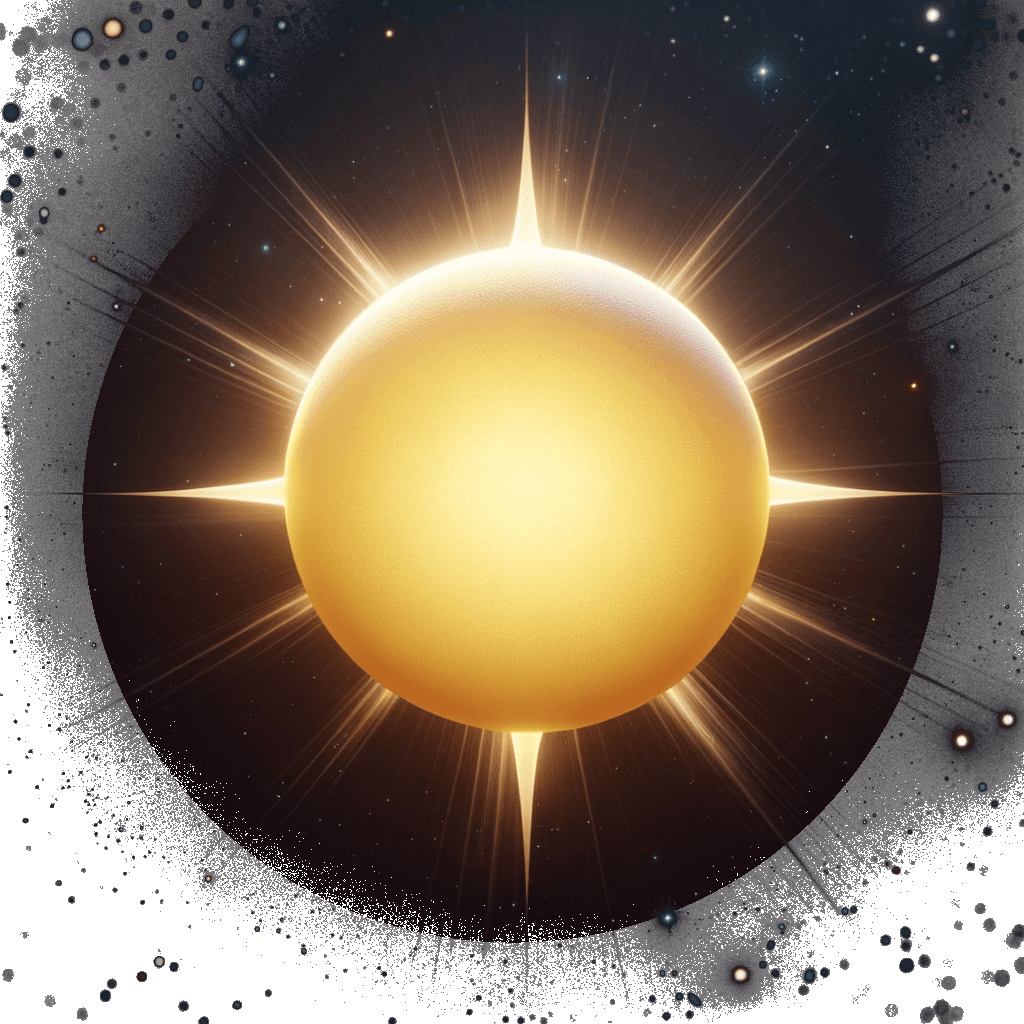
Polaris
La Estrella del Norte. Durante siglos, marineros y exploradores usaron Polaris para orientarse. Se encuentra casi exactamente sobre el polo norte de la Tierra.
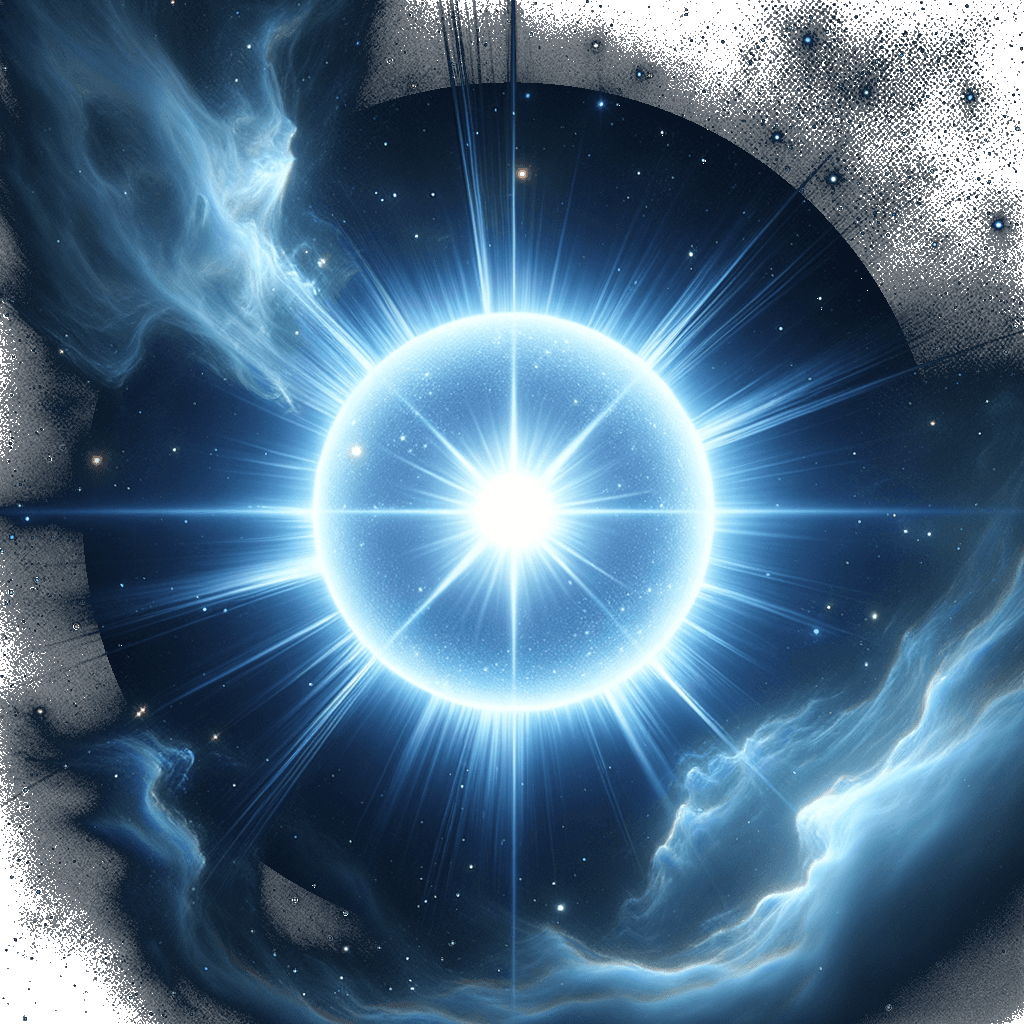
Sirius
La estrella más brillante del cielo nocturno. Sirio es una deslumbrante estrella azul-blanca a solo 8,6 años luz. Los egipcios construyeron su calendario en torno a ella.
Artículos y guías relacionados
Explora nuestra página de planetas para ver todo nuestro catálogo. También puedes comprar una estrella como regalo. Tenemos una guía sobre ¿se puede comprar un planeta? Y si quieres saber si puedes comprar una estrella, lee ¿se puede comprar una estrella? Visita nuestra FAQ para todas tus preguntas.
Nombra un planeta o estrella real
No puedes poseer terreno lunar, pero puedes asociar tu nombre a un planeta o estrella real con datos NASA verificados. Los certificados empiezan en $24.99 con entrega digital instantánea.
Explorar planetasPreguntas frecuentes
¿Es legal comprar terreno en la Luna?
Puedes comprar legalmente un certificado novelty que dice que posees terreno lunar. Sin embargo, ningún país ni tribunal reconoce estos reclamos como propiedad real. El Tratado del Espacio Exterior de 1967 prohíbe toda apropiación.
¿Cuánto cuesta un acre de terreno lunar?
La mayoría de empresas venden terreno lunar simbólico entre 20 y 50 dólares el acre. Los paquetes premium enmarcados pueden costar hasta 100 dólares. Son certificados novelty sin validez jurídica.
¿La NASA reconoce la propiedad lunar?
No. La NASA no reconoce ningún reclamo privado de propiedad lunar. Ninguna agencia espacial ni gobierno considera los certificados de terreno lunar como títulos de propiedad legítimos.
¿Qué pasa con los reclamos cuando humanos colonicen la Luna?
Nada para los que tienen certificados. Las agencias espaciales no consultarán bases de datos de certificados-regalo. Los futuros derechos de propiedad lunar los determinarán tratados internacionales entre naciones espaciales.
¿Hay un mejor regalo espacial que terreno lunar?
Los certificados de planetas y estrellas de BuyMyPlanet usan coordenadas verificadas por la NASA y datos astronómicos reales. Desde $24.99, conectan tu nombre con un cuerpo celeste real en vez de una parcela en un mapa imaginario.
¿Tienes preguntas?
Todo lo que necesitas saber sobre comprar un planeta
Te lo explico: es propiedad simbólica. Nadie puede ser dueño legal de un planeta (hay un tratado de la ONU sobre eso). Pero lo que SÍ recibes es un certificado personalizado precioso con datos astronómicos reales y un número de registro único. Piensa en ello como el regalo más original que puedes hacer.
El nombre real del planeta, el nombre personalizado del propietario, un mensaje personal si quieres, un número de registro único y la fecha. Está diseñado para que quede genial enmarcado en la pared.
Llega a tu email como PDF en pocos minutos después de comprar. Puedes imprimirlo en casa, llevarlo a una tienda de fotos para una versión más pro, o simplemente compartirlo online. Fácil.
La gente alucina. Hemos vendido más de 3.247 planetas y recibimos mensajes todo el tiempo de gente diciendo que es el mejor regalo que han recibido. Funciona para cumpleaños, San Valentín, Navidad, bodas, nacimientos... prácticamente cualquier ocasión.
Al 100%. Cada planeta de nuestro catálogo es un cuerpo celeste real descubierto por la NASA, ESA u otras agencias espaciales. No inventamos nada. Los datos de tu certificado vienen de descubrimientos científicos confirmados.
Sin problema. Tienes 30 días para cambiar de opinión. Solo envía un email a ethan@buymyplanet.com y lo solucionamos.
¡Sí! Vendemos planetas y estrellas. Las estrellas son un clásico y siempre mágicas. Los planetas son mundos enteros con sus propias características e historias. Ambos vienen con un certificado personalizado y datos astronómicos reales. Elige lo que más te guste, o llévate los dos.
¡Sí! Cada certificado tiene su propio número de registro único. Es como nombrar una estrella. La propiedad es personal, y tu certificado es único.
Ahora mismo hacemos certificados PDF digitales instantáneos. Puedes imprimirlos en casa o en cualquier tienda. Estamos trabajando en versiones enmarcadas que llegarán a tu puerta. Muy pronto.
Totalmente. La propiedad simbólica de planetas es un regalo de fantasía, parecido a los servicios que nombran estrellas. El Tratado del Espacio de 1967 dice que ningún país puede reclamar un planeta, pero los certificados personalizados son perfectamente legales. Es un regalo querido en todo el mundo.
BuyMyPlanet ofrece certificados simbólicos de nominación. No vendemos propiedad lunar ni pretendemos ofrecer derechos legales sobre cuerpos celestes.