¿Qué es un año luz? La distancia real explicada
Un año luz es la distancia que recorre la luz en un año. No es una medida de tiempo. Es distancia. La luz viaja a unos 300 000 kilómetros por segundo, así que en un año completo cubre aproximadamente 9,46 billones de kilómetros. Los astrónomos usan años luz porque las distancias entre estrellas son tan descomunales que los kilómetros se vuelven números absurdos. Aquí tienes todo lo que necesitas saber sobre esta unidad, explicado sin rodeos.
¿Cuánto tiempo dura un año luz?
Esta es la confusión más común. Un año luz no es una cantidad de tiempo. Es una longitud. Un año luz equivale a la distancia que la luz recorre durante un año terrestre, unos 365,25 días. La luz no para, no frena, no descansa. Avanza a 299 792 458 metros por segundo sin parar. En un año completo, eso suma unos 9,46 billones de km. Para que te hagas una idea: el Sol está a unos 8 minutos luz de la Tierra. La estrella más cercana después del Sol, Próxima Centauri, está a 4,24 años luz. La luz que ves de esa estrella esta noche salió de su superficie hace más de cuatro años.
¿Cuánto mide un año luz en kilómetros y millas?
Un año luz equivale a unos 9 460 730 472 580 km. En millas, son aproximadamente 5 878 625 370 000 millas. En unidades astronómicas (la distancia de la Tierra al Sol), un año luz son unas 63 241 UA. Estos números son difíciles de sentir. Prueba con esto: si condujeras un coche a 120 km/h sin parar, día y noche, tardarías unos 9 millones de años en recorrer un año luz. Un avión comercial a 900 km/h necesitaría unos 1,2 millones de años. Y la nave más rápida que ha construido la humanidad, la sonda Parker Solar a 690 000 km/h, tardaría unos 1 560 años en cubrir esa distancia.
¿Por qué los astrónomos usan años luz?
Las unidades normales se quedan cortas a escala cósmica. Decir que la galaxia de Andrómeda está a 23 651 826 181 100 000 000 km no le sirve a nadie. Decir que está a 2,5 millones de años luz ya es algo que un cerebro humano puede procesar. Los años luz también llevan información sobre el tiempo. Cuando miras una estrella a 100 años luz, la estás viendo tal como era hace 100 años. Su luz tardó un siglo en llegar. Los años luz funcionan como una máquina del tiempo. Literalmente estás mirando al pasado. Los astrónomos también usan parsecs (1 parsec = 3,26 años luz) para ciertos cálculos, y unidades astronómicas para distancias dentro del sistema solar. Pero para distancias entre estrellas y galaxias, el año luz es la unidad preferida.
¿A qué velocidad viaja la luz realmente?
La luz viaja a exactamente 299 792 458 metros por segundo en el vacío. Eso equivale a unos 1 079 252 849 km/h. A esa velocidad, la luz da la vuelta a la Tierra 7,5 veces en un solo segundo. Llega a la Luna en 1,3 segundos. Alcanza Marte en 3 a 22 minutos según las posiciones orbitales. Y llega a Plutón en unas 5,5 horas. Esta velocidad no es solo rápida. Según la teoría de la relatividad especial de Einstein, es el límite absoluto de velocidad del universo. Nada que tenga masa puede alcanzarla. A medida que un objeto se acerca a la velocidad de la luz, su masa efectiva aumenta y se necesita cada vez más energía para acelerarlo. Solo las partículas sin masa, como los fotones, viajan a esta velocidad exacta.
Año luz vs pársec vs unidad astronómica
El espacio tiene tres unidades de distancia principales, cada una pensada para una escala diferente. La unidad astronómica (UA) es la distancia media de la Tierra al Sol, unos 150 millones de km. Funciona bien dentro del sistema solar. Neptuno está a 30 UA del Sol. La nube de Oort se extiende hasta unas 100 000 UA. Un año luz equivale a 63 241 UA. Es ideal para distancias entre estrellas y dentro de galaxias. La estrella más cercana está a 4,24 años luz. La Vía Láctea mide unos 100 000 años luz de diámetro. Un pársec equivale a 3,26 años luz. Los astrónomos lo prefieren para cálculos técnicos porque está directamente vinculado a las mediciones de paralaje. Cuando una estrella se desplaza un segundo de arco mientras la Tierra orbita el Sol, esa estrella está a un pársec.
¿A qué distancia están las estrellas más cercanas?
La estrella más cercana a la Tierra, aparte del Sol, es Próxima Centauri a 4,24 años luz. Forma parte del sistema triple Alfa Centauri. Alfa Centauri A y B orbitan entre sí a 4,37 años luz de distancia. La siguiente es la estrella de Barnard a 5,96 años luz, una pequeña enana roja que se mueve por nuestro cielo más rápido que cualquier otra estrella. Wolf 359 está a 7,86 años luz. Es una de las estrellas más débiles conocidas y aparece mucho en la ciencia ficción. Sirio, la estrella más brillante del cielo nocturno, está a 8,6 años luz. En un radio de 10 años luz alrededor de la Tierra hay unos 11 sistemas estelares conocidos. A 20 años luz, el número sube a más de 100. Nuestro vecindario estelar está más concurrido de lo que la mayoría cree.
Distancias famosas medidas en años luz
Algunos puntos de referencia cósmicos te dan una idea real de lo grande que es el espacio. La nebulosa de Orión, visible a simple vista, está a unos 1 344 años luz. La nebulosa del Cangrejo, resto de una supernova observada en 1054, está a 6 523 años luz de la Tierra. El centro de nuestra Vía Láctea queda a unos 26 000 años luz. La Gran Nube de Magallanes, una galaxia satélite visible desde el hemisferio sur, está a 160 000 años luz. La galaxia de Andrómeda, el objeto más lejano visible sin telescopio, está a 2,5 millones de años luz. La luz que llega a tus ojos desde Andrómeda empezó su viaje antes de que existieran los humanos modernos. Las galaxias más lejanas observadas por el telescopio James Webb están a más de 13 000 millones de años luz, mostrándonos el universo cuando tenía menos de mil millones de años.
¿Puede algo viajar a la velocidad de la luz?
Solo las partículas sin masa pueden alcanzar exactamente la velocidad de la luz. Los fotones lo hacen. Los gravitones lo harían en teoría. Pero cualquier cosa con masa, hasta un simple electrón, no puede llegar. La relatividad especial de Einstein explica por qué. Cuando un objeto acelera, su energía cinética aumenta su masa efectiva. Cuanto más se acerca a la velocidad de la luz, más energía necesita para seguir acelerando. Al 99,9 % de la velocidad de la luz, la energía requerida se dispara. A exactamente la velocidad de la luz, necesitarías energía infinita. No es una dificultad práctica. Es una ley fundamental de la física. Aceleradores de partículas como el Gran Colisionador de Hadrones empujan protones al 99,9999991 % de la velocidad de la luz. Cerca, pero nunca del todo.
¿Cuánto se tarda en recorrer un año luz?
Con la tecnología actual, muchísimo. La Voyager 1, lanzada en 1977, es el objeto humano más lejano de la Tierra. Viaja a unos 61 000 km/h. A esa velocidad, cruzar un año luz llevaría unos 17 600 años. La sonda Parker Solar, la nave más rápida ahora mismo, alcanza 690 000 km/h cerca del Sol. Incluso a esa velocidad de locura, un año luz tardaría unos 1 560 años. Hay tecnologías propuestas que podrían acortar el viaje. Una vela solar impulsada por láser, como el proyecto Breakthrough Starshot, podría en teoría alcanzar el 20 % de la velocidad de la luz. Eso haría el viaje en unos 5 años. La propulsión nuclear pulsada podría llegar al 5-10 %. Pero ninguna de estas tecnologías existe todavía de forma práctica. Por ahora, las estrellas siguen frustrantemente fuera de alcance.
Mirar a través de años luz: ver el pasado
Cada vez que miras el cielo nocturno, estás mirando al pasado. La luz de la Luna tiene 1,3 segundos. La del Sol tiene 8 minutos. La luz de Júpiter puede tener de 35 a 52 minutos según su posición. ¿Y la luz de las estrellas? Polaris, la estrella polar, está a unos 433 años luz. La estás viendo tal como era en la época de los Reyes Católicos. Betelgeuse, la gigante roja de Orión, está a 700 años luz. Su luz partió antes del Renacimiento. Si Betelgeuse explotara hoy, no lo sabríamos hasta dentro de 700 años. Este efecto de desfase temporal no es solo una curiosidad. Es como los astrónomos estudian la historia del universo. Al observar objetos a miles de millones de años luz, ven condiciones de hace miles de millones de años. Cuanto más lejos miras en el espacio, más atrás en el tiempo ves.
Ponle nombre a una estrella a años luz de distancia
Hay aproximadamente 200 000 billones de estrellas en el universo observable, repartidas a lo largo de miles de millones de años luz. La mayoría solo tienen números de catálogo como HD 209458 o TRAPPIST-1. BuyMyPlanet te permite elegir una estrella o exoplaneta real con coordenadas verificadas de las bases de datos de la NASA y darle un nombre personal. Los certificados empiezan en 24,99 $ con entrega digital instantánea. El paquete premium de 29,99 $ añade una página web dedicada y un código QR. Es simbólico, no una designación científica oficial. Pero los datos astronómicos son reales. Estás nombrando objetos celestes reales que se encuentran a años luz de la Tierra.
Estrellas y planetas para explorar
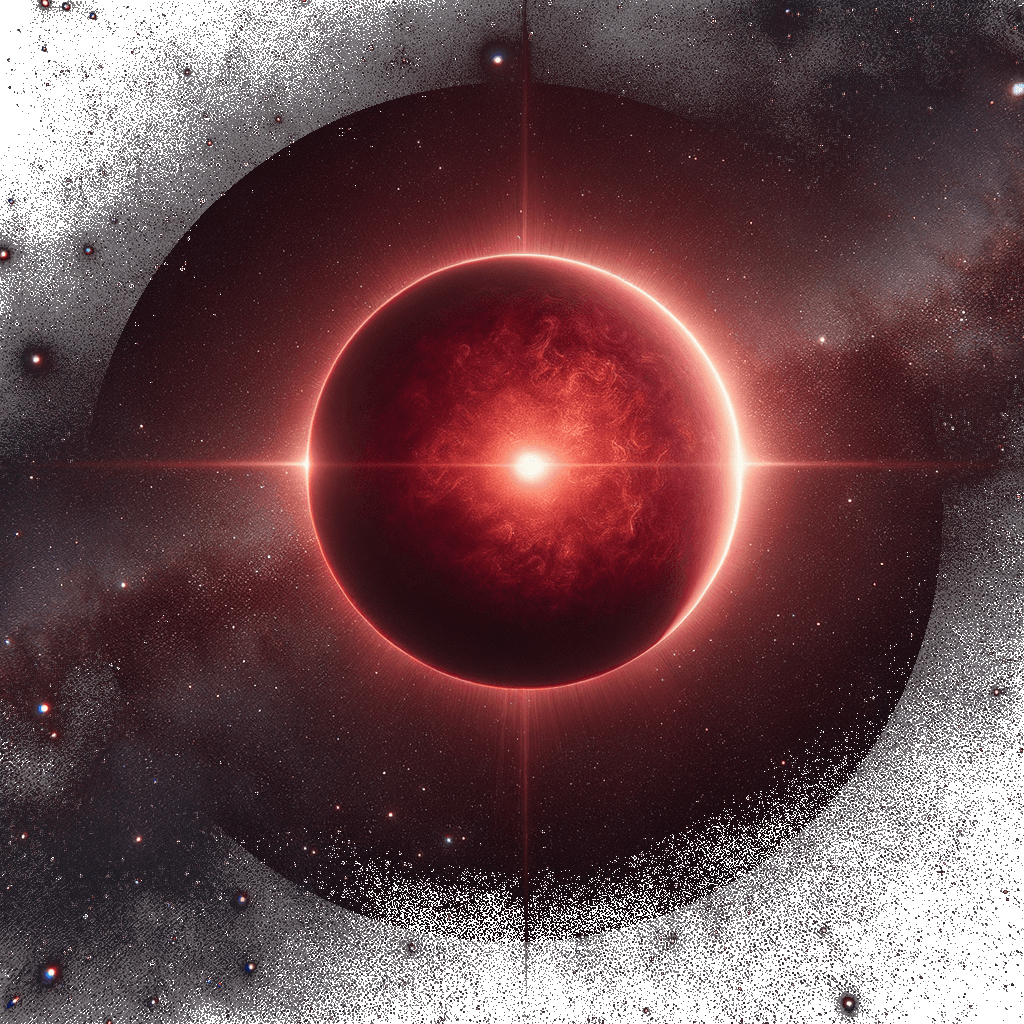
Proxima Centauri
La estrella más cercana a nuestro Sol, a solo 4,24 años luz. Próxima Centauri es una pequeña enana roja. Si algún día viajamos a otra estrella, probablemente será esta.
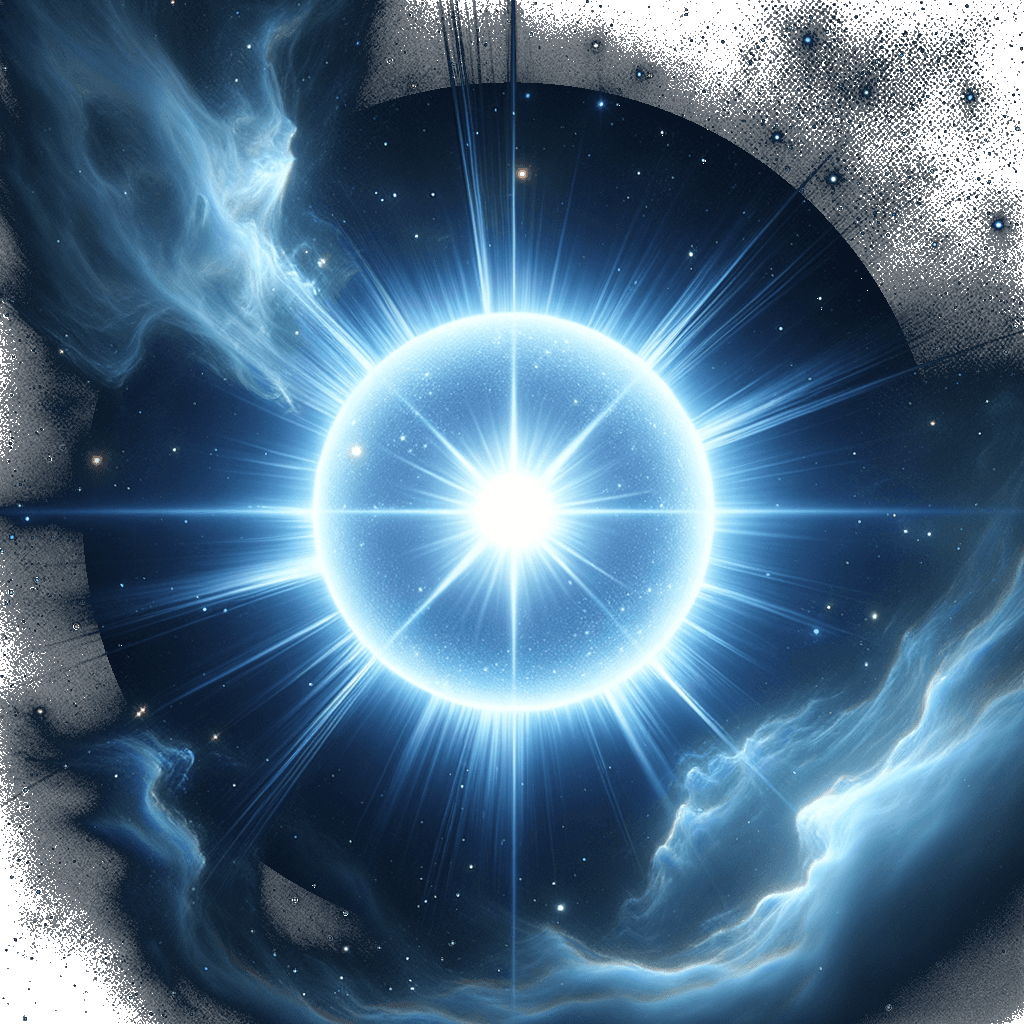
Sirius
La estrella más brillante del cielo nocturno. Sirio es una deslumbrante estrella azul-blanca a solo 8,6 años luz. Los egipcios construyeron su calendario en torno a ella.
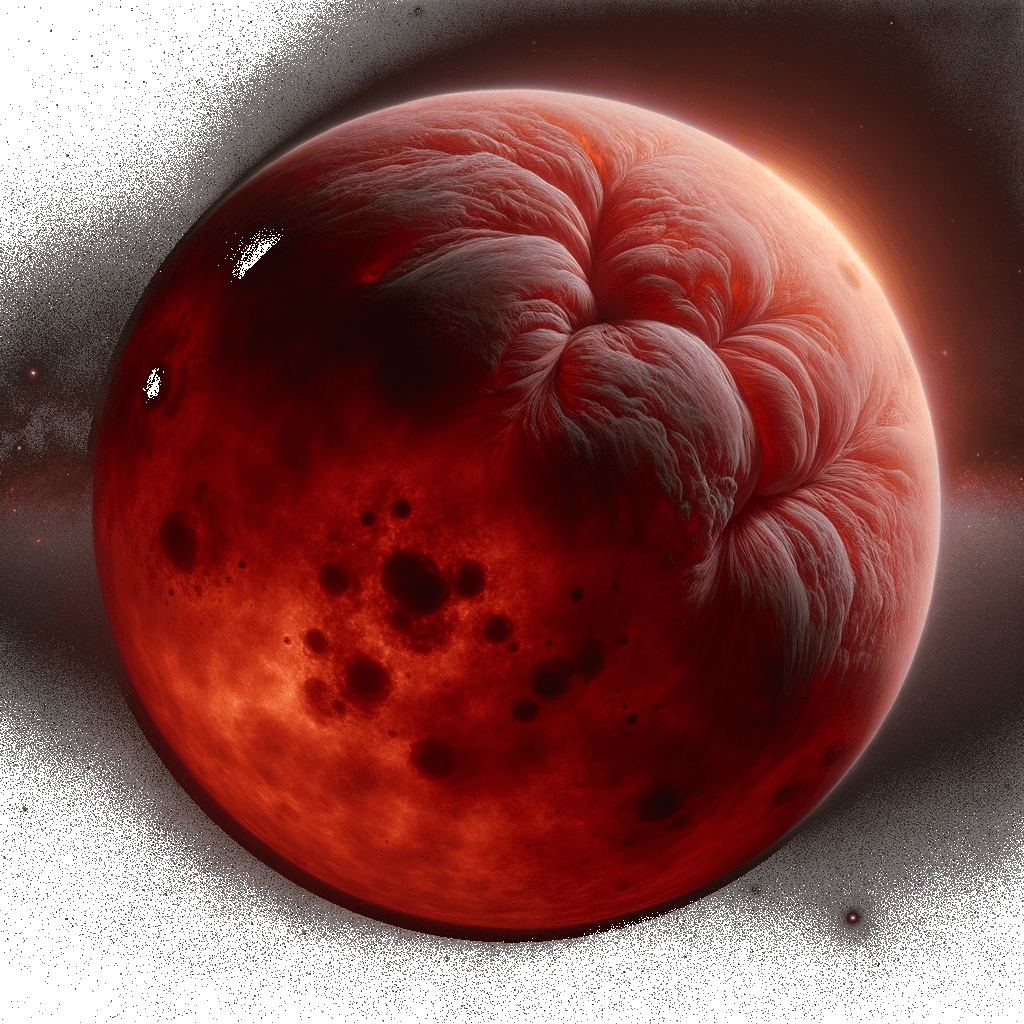
Betelgeuse
Una supergigante roja que podría explotar como supernova en cualquier momento. Betelgeuse es tan masiva que si reemplazara nuestro Sol, se tragaría Marte.
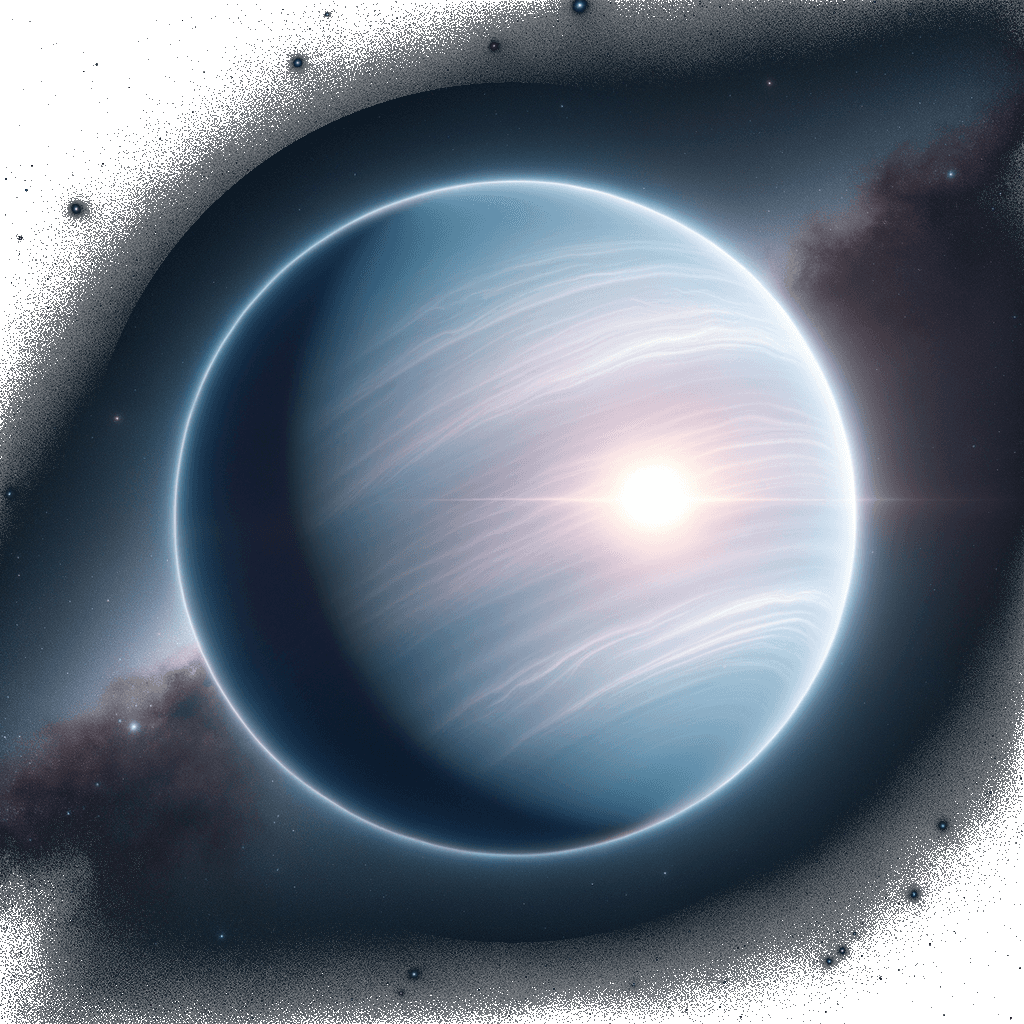
Vega
Una de las estrellas más brillantes visibles desde la Tierra. Vega fue la primera estrella fotografiada (en 1850) y la primera en tener su espectro registrado.
Artículos y guías relacionados
Descubre qué tan grande es el universo. Explora nuestro catálogo de planetas. También puedes comprar una estrella como regalo. Aprende cuántas estrellas hay. Visita nuestra FAQ.
Preguntas frecuentes
¿Qué es un año luz en términos sencillos?
Es la distancia que recorre la luz en un año. Unos 9,46 billones de km o 5,88 billones de millas. Mide distancia, no tiempo.
¿Cuántos años terrestres es un año luz?
El año luz no es una unidad de tiempo, así que no equivale a ningún número de años terrestres. Es la distancia que la luz cubre en un año terrestre. Recorrer un año luz con las naves actuales llevaría miles de años.
¿Cuántos kilómetros tiene un año luz?
Un año luz tiene aproximadamente 9 460 730 472 580 km, o sea unos 9,46 billones de kilómetros.
¿El año luz mide tiempo o distancia?
Distancia. A pesar de tener la palabra año en su nombre, el año luz mide la distancia que la luz recorre durante un año, no un periodo de tiempo.
¿Cuál es la estrella más cercana a la Tierra en años luz?
La estrella más cercana después del Sol es Próxima Centauri, a 4,24 años luz. Forma parte del sistema Alfa Centauri.
¿Tienes preguntas?
Todo lo que necesitas saber sobre comprar un planeta
Te lo explico: es propiedad simbólica. Nadie puede ser dueño legal de un planeta (hay un tratado de la ONU sobre eso). Pero lo que SÍ recibes es un certificado personalizado precioso con datos astronómicos reales y un número de registro único. Piensa en ello como el regalo más original que puedes hacer.
El nombre real del planeta, el nombre personalizado del propietario, un mensaje personal si quieres, un número de registro único y la fecha. Está diseñado para que quede genial enmarcado en la pared.
Llega a tu email como PDF en pocos minutos después de comprar. Puedes imprimirlo en casa, llevarlo a una tienda de fotos para una versión más pro, o simplemente compartirlo online. Fácil.
La gente alucina. Hemos vendido más de 3.247 planetas y recibimos mensajes todo el tiempo de gente diciendo que es el mejor regalo que han recibido. Funciona para cumpleaños, San Valentín, Navidad, bodas, nacimientos... prácticamente cualquier ocasión.
Al 100%. Cada planeta de nuestro catálogo es un cuerpo celeste real descubierto por la NASA, ESA u otras agencias espaciales. No inventamos nada. Los datos de tu certificado vienen de descubrimientos científicos confirmados.
Sin problema. Tienes 30 días para cambiar de opinión. Solo envía un email a ethan@buymyplanet.com y lo solucionamos.
¡Sí! Vendemos planetas y estrellas. Las estrellas son un clásico y siempre mágicas. Los planetas son mundos enteros con sus propias características e historias. Ambos vienen con un certificado personalizado y datos astronómicos reales. Elige lo que más te guste, o llévate los dos.
¡Sí! Cada certificado tiene su propio número de registro único. Es como nombrar una estrella. La propiedad es personal, y tu certificado es único.
Ahora mismo hacemos certificados PDF digitales instantáneos. Puedes imprimirlos en casa o en cualquier tienda. Estamos trabajando en versiones enmarcadas que llegarán a tu puerta. Muy pronto.
Totalmente. La propiedad simbólica de planetas es un regalo de fantasía, parecido a los servicios que nombran estrellas. El Tratado del Espacio de 1967 dice que ningún país puede reclamar un planeta, pero los certificados personalizados son perfectamente legales. Es un regalo querido en todo el mundo.
Sé dueño de una estrella a años luz
Elige una estrella o planeta real con coordenadas NASA verificadas y ponle un nombre. Certificados desde 24,99 $, entrega digital instantánea.
Digital product. Symbolic ownership certificate.