Life on Other Planets: What Scientists Actually Know
Is there life beyond Earth? Nobody has found it yet. But the evidence keeps pointing toward 'probably.' Scientists have discovered liquid water on moons in our own solar system, identified thousands of exoplanets in habitable zones, and detected organic molecules in places nobody expected. The question has shifted from 'could life exist out there?' to 'how do we find it?' Here is everything we actually know about life on other planets right now.
Is There Life on Other Planets? The Short Answer
We don't have proof yet. No confirmed alien microbes, no radio signals from another civilization, no fossils on Mars. But here's why scientists are more optimistic than ever: the ingredients for life are everywhere. Water exists on multiple moons and planets in our solar system. Organic molecules show up in asteroid samples, comet tails, and interstellar gas clouds. The building blocks aren't rare. They're common. The real question is: have those ingredients actually assembled into living organisms somewhere else? And with hundreds of billions of planets in our galaxy alone, the math is hard to ignore.
Mars: Our Best Shot in the Solar System
Mars gets the most attention, and for good reason. Billions of years ago, Mars had rivers, lakes, and possibly an ocean covering its northern hemisphere. NASA's Curiosity rover found organic molecules in Martian rock in 2018. Perseverance, which landed in 2021, is collecting rock samples from Jezero Crater, an ancient lakebed that could contain fossilized microbial life. Those samples are being cached for a future return mission to Earth. Mars today is cold, dry, and blasted by radiation. But underground, things might be different. In 2024, researchers confirmed evidence of liquid water beneath the Martian south pole. If microbes ever existed on Mars, the subsurface is where they'd most likely survive today. The European Space Agency's Rosalind Franklin rover is designed to drill two meters below the surface to find out.
Europa and Enceladus: Oceans Hiding Under Ice
Jupiter's moon Europa has a global ocean beneath its icy shell, and it contains roughly twice the water of all Earth's oceans combined. Tidal heating from Jupiter's gravity keeps that ocean liquid. In 2024, the James Webb Space Telescope confirmed carbon dioxide on Europa's surface, likely pushed up from the ocean below. NASA's Europa Clipper mission, launched in October 2024, will arrive at Jupiter in 2030 to study the moon's ice shell and ocean composition. Saturn's moon Enceladus is even more exciting in some ways. The Cassini spacecraft flew through geysers shooting water vapor and ice particles from Enceladus's south pole. Those plumes contained organic molecules, molecular hydrogen, and silica particles, all signs of hydrothermal vents on the ocean floor. On Earth, hydrothermal vents support thriving ecosystems without any sunlight. The same could be happening on Enceladus right now.
Titan: Life, But Not As We Know It
Saturn's largest moon is genuinely weird. Titan has a thick nitrogen atmosphere, liquid methane lakes on its surface, and a subsurface water ocean. It's the only moon in the solar system with a substantial atmosphere, and the only place besides Earth with stable liquid on its surface. The catch? Those lakes are made of methane and ethane, not water. Could life use liquid methane the way Earth life uses water? Some scientists think so. In 2015, researchers at Cornell proposed a theoretical cell membrane that could function in liquid methane, calling it an 'azotosome.' NASA's Dragonfly mission, a drone-like rotorcraft, is scheduled to land on Titan in the 2030s. It will hop between sites, sampling the surface chemistry and looking for signs of prebiotic chemistry or even alien biochemistry.
Exoplanets in the Habitable Zone: Billions of Possibilities
Beyond our solar system, the numbers get staggering. Astronomers have confirmed over 5,700 exoplanets as of 2026, and many orbit within their star's habitable zone, the region where liquid water could exist on a planet's surface. The TRAPPIST-1 system, about 40 light-years away, has seven Earth-sized planets, with three sitting in the habitable zone. Kepler-442b, Kepler-452b, and TOI-700 d are other promising candidates. But habitable zone doesn't automatically mean habitable. A planet also needs the right atmosphere, magnetic field, and surface conditions. Venus sits at the inner edge of our Sun's habitable zone, and its surface temperature melts lead. Still, the sheer number of rocky planets in habitable zones across the galaxy makes it statistically unlikely that Earth is the only one that got the recipe right.
What Would Alien Life Actually Look Like?
Forget little green men. If we find life on other planets, it will almost certainly be microbial. Single-celled organisms dominated Earth for roughly three billion years before multicellular life showed up. The jump from chemistry to simple cells might be easy. The jump from simple cells to complex organisms might be incredibly rare. That said, life on Earth has taught us to expect the unexpected. Extremophiles, organisms that thrive in extreme conditions, live in boiling hot springs, inside rocks deep underground, in acidic mine drainage, and even in nuclear reactor cooling pools. Tardigrades survive the vacuum of space. If life can handle all that on Earth, it could handle conditions on Mars, Europa, or Enceladus. And if alien life uses a different biochemistry, all bets are off. Silicon instead of carbon. Ammonia instead of water. We might not even recognize it at first.
Biosignatures: How Scientists Search for Life
You can't send a rover to every interesting planet. So scientists look for biosignatures, chemical or physical signs that life is or was present. Oxygen in a planet's atmosphere is a classic example. On Earth, nearly all atmospheric oxygen comes from photosynthesis. Methane is another. When found alongside oxygen, it suggests biological activity because those two gases react with each other and shouldn't coexist without something constantly replenishing them. The James Webb Space Telescope can detect these gases in exoplanet atmospheres by analyzing starlight that passes through them during transits. In 2023, JWST found hints of dimethyl sulfide on exoplanet K2-18 b. On Earth, only living organisms produce that molecule. The detection needs confirmation, but it made headlines worldwide. Other biosignatures include phosphine (detected controversially on Venus in 2020), specific mineral formations, and isotope ratios that differ from non-biological processes.
The James Webb Space Telescope Changes Everything
Before JWST, we could find exoplanets but couldn't really study what they're made of. That changed in 2022. JWST's infrared instruments can break down the light passing through exoplanet atmospheres and identify specific molecules. It has already detected water vapor, carbon dioxide, and methane on multiple worlds. The telescope is particularly focused on the TRAPPIST-1 system, where three Earth-sized planets orbit in the habitable zone of a cool red dwarf star just 40 light-years away. Early results have been mixed. TRAPPIST-1 b appears to have little to no atmosphere, which isn't great for life. But studies of the other planets continue. Beyond JWST, future missions like the Habitable Worlds Observatory (planned for the 2040s) will be specifically designed to photograph Earth-like planets and analyze their atmospheres for signs of life. The technology is catching up to the questions.
The Fermi Paradox: If Life Is Common, Where Is Everyone?
Physicist Enrico Fermi asked this question in 1950, and we still don't have a good answer. If the universe is so vast and so old, and the conditions for life so common, why haven't we detected any signs of intelligent life? There are dozens of proposed explanations. Maybe intelligent civilizations destroy themselves before they can reach out. Maybe the distances are simply too vast. Maybe advanced civilizations exist but have no interest in contacting us. Maybe we're looking for the wrong signals. Or maybe life is common but intelligence is extremely rare. The Drake Equation tries to estimate the number of communicating civilizations in our galaxy. Even with conservative numbers, it suggests thousands should exist. But the Great Silence persists. Some scientists argue that the paradox itself proves we're either very early (among the first civilizations) or very rare. Either way, the question drives billions of dollars in research every year.
Why the Search for Life on Other Planets Matters
This isn't just an academic exercise. Finding even microbial life on another world would be one of the biggest discoveries in human history. It would tell us that life isn't a cosmic fluke. It would reshape biology, philosophy, and our understanding of our place in the universe. On a practical level, the search for life drives technology forward. Instruments designed to detect biosignatures on Mars end up improving medical diagnostics. Techniques developed to analyze exoplanet atmospheres help us understand climate change on Earth. And the search inspires the next generation of scientists, engineers, and explorers. If we find life on Mars, Europa, an exoplanet, or somewhere nobody expected, the discovery will change everything. And honestly, just knowing that the question might be answerable within our lifetimes is pretty exciting.
Planets to explore
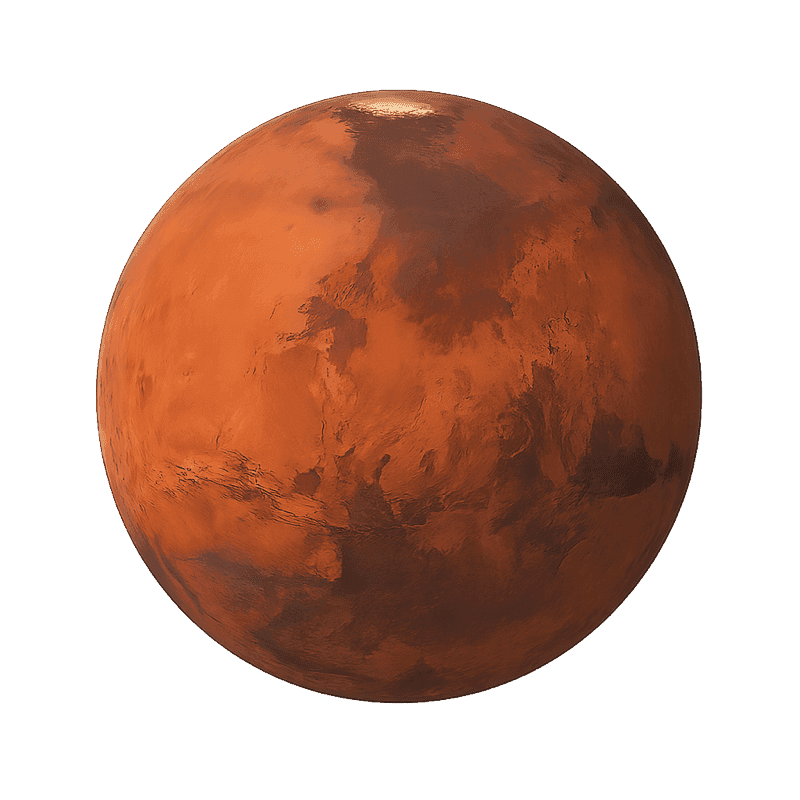
Mars
The Red Planet — a dusty, cold desert world that may have once harbored ancient rivers and lakes.
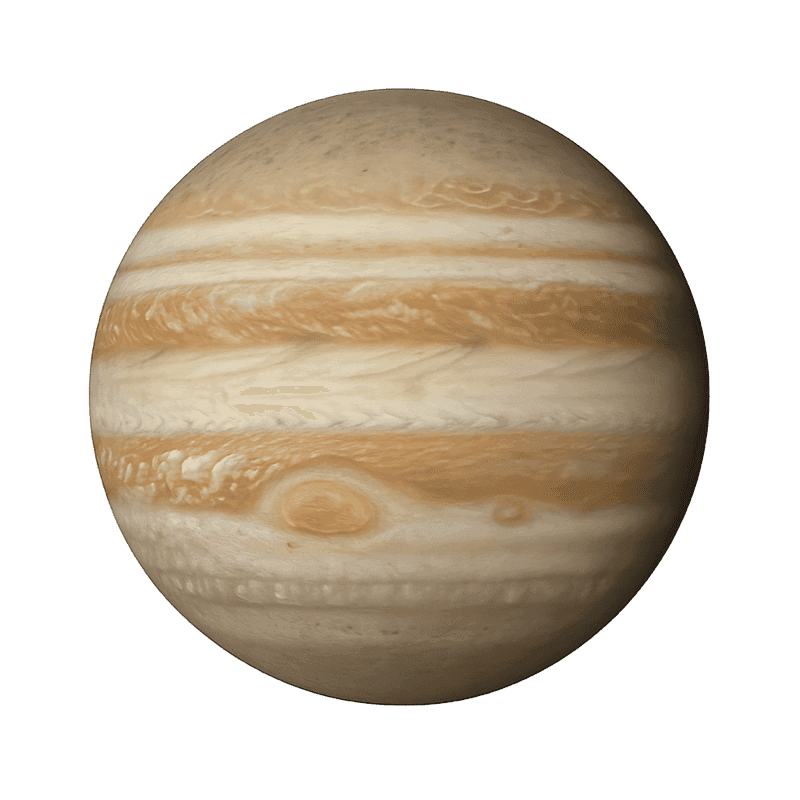
Jupiter
The king of planets — a colossal gas giant with a Great Red Spot storm raging for centuries.
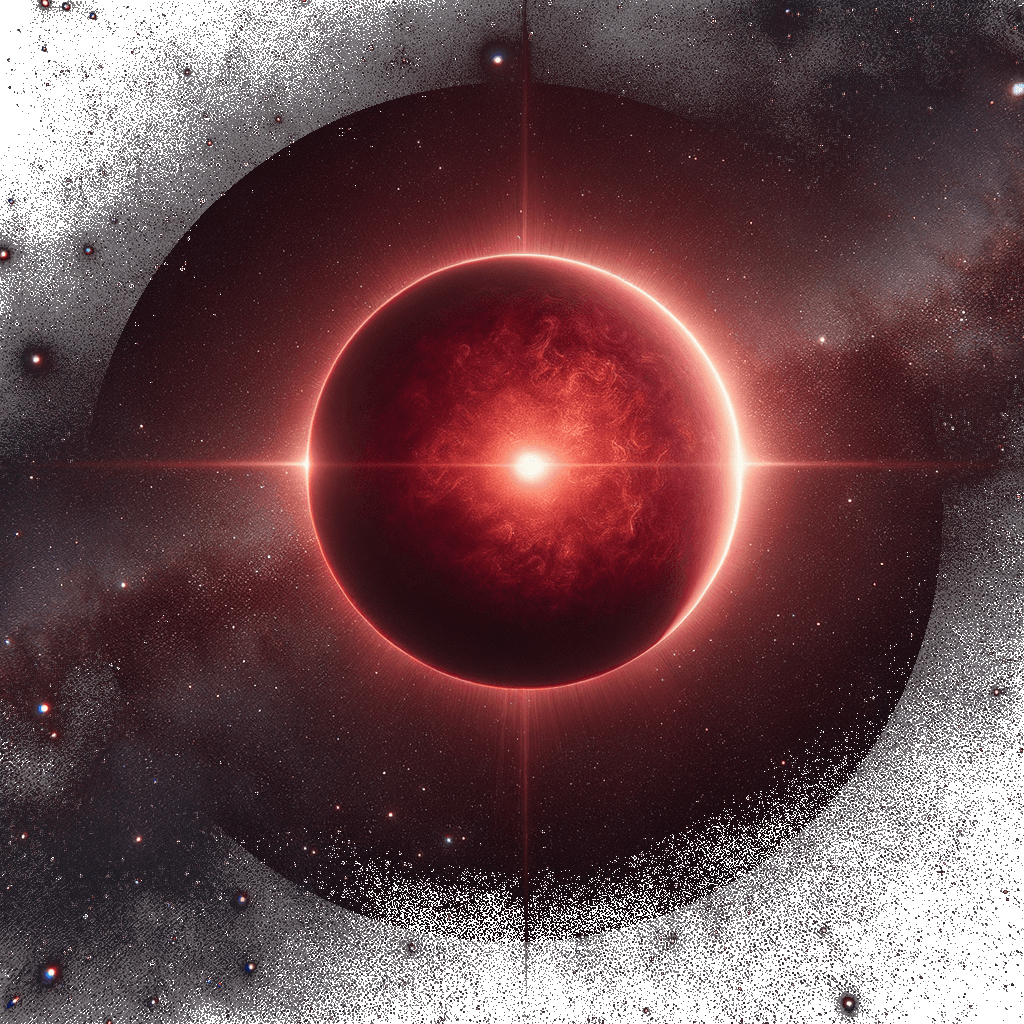
Proxima Centauri
The closest star to our Sun, just 4.24 light-years away. Proxima Centauri is a tiny red dwarf. If we ever travel to another star, this one will probably be first.
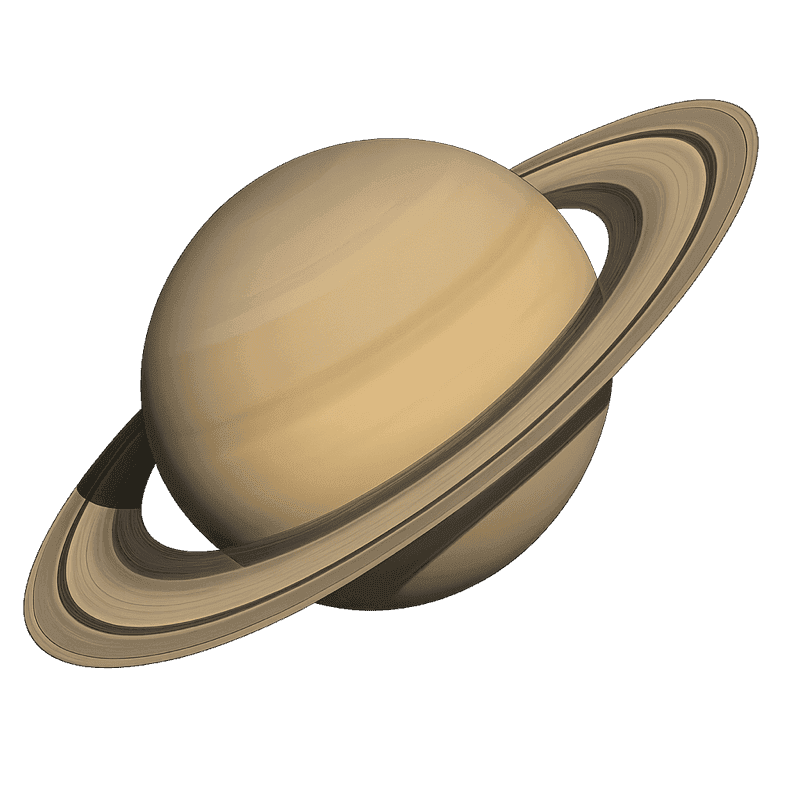
Saturn
The jewel of the Solar System — a majestic gas giant adorned with stunning rings.
Related articles & guides
Want to go deeper? Check out our planets page to explore our full catalog. You can also buy a star as a gift. Learn about what an exoplanet is or find out how many stars are there. Got questions? Visit our FAQ.
Frequently asked questions
Is there life on other planets?
No confirmed discovery yet. But scientists have found water, organic molecules, and habitable conditions on multiple worlds in our solar system and beyond. The search is more active and promising than ever.
Which planet is most likely to have life?
Mars is the most studied candidate. Europa and Enceladus (moons of Jupiter and Saturn) are also strong contenders because they have subsurface oceans with potential hydrothermal activity.
Has NASA found life on Mars?
Not yet. NASA's rovers have found organic molecules and evidence of ancient water on Mars, but no confirmed signs of past or present life. The Perseverance rover is collecting samples that will eventually be returned to Earth for detailed analysis.
What is a biosignature?
A biosignature is any chemical, physical, or biological sign that indicates life is or was present. Examples include oxygen and methane in a planet's atmosphere, specific mineral formations, and organic molecules that are typically produced only by living organisms.
Can the James Webb Space Telescope find alien life?
JWST can detect molecules in exoplanet atmospheres that might indicate biological activity. It has already found hints of dimethyl sulfide on K2-18 b, a molecule only produced by life on Earth. Confirmation requires more observations.
Got Questions?
Here's everything you need to know about buying a planet
Here's the deal: this is symbolic ownership. Nobody can legally own a planet (there's actually a UN treaty about it). But what you DO get is a gorgeous personalized certificate with real astronomical data and a unique registration number. Think of it as the most original gift you can possibly give someone.
The planet's real name, your personalized owner name, a custom message if you want one, a unique registration number, and the date. It's designed to look premium enough to frame and hang on a wall.
It shows up in your email as a PDF within a few minutes of buying. You can print it at home, take it to a print shop for a nicer version, or just share it digitally. Simple.
People go crazy for it. We've sold over 3,247 planets so far and we get messages all the time from people saying it's the best gift they've ever received. It works for birthdays, Valentine's Day, Christmas, weddings, new babies... pretty much any occasion.
100%. Every planet in our catalog is a real celestial body discovered by NASA, ESA, or other space agencies. We don't make anything up. The data on your certificate comes from confirmed scientific discoveries.
No problem. You've got 30 days to change your mind. Just email us at ethan@buymyplanet.com and we'll sort it out.
Yes! We sell both planets and stars. Stars are beautiful and classic. Planets are full worlds with their own characteristics, categories, and stories. Both come with a personalized certificate and real astronomical data. Pick what fits best, or get both.
Yep! Each certificate gets its own unique registration number. It's like naming a star. The ownership is personal to you, and your certificate is one of a kind.
Right now we do instant digital PDF certificates. You can print them at home or at any print shop. We're working on framed physical versions that'll ship to your door. Stay tuned.
Totally. Symbolic planet ownership is a novelty gift, kind of like star naming services. The 1967 Outer Space Treaty says no country can claim a planet, but personalized certificates are perfectly fine. It's a beloved gift worldwide.
Explore Real Planets and Stars
Pick any planet or star in our catalog. Get a personalized certificate with real astronomical data, coordinates, and distance from Earth. Starting at $24.99.
Digital product. Symbolic ownership certificate.